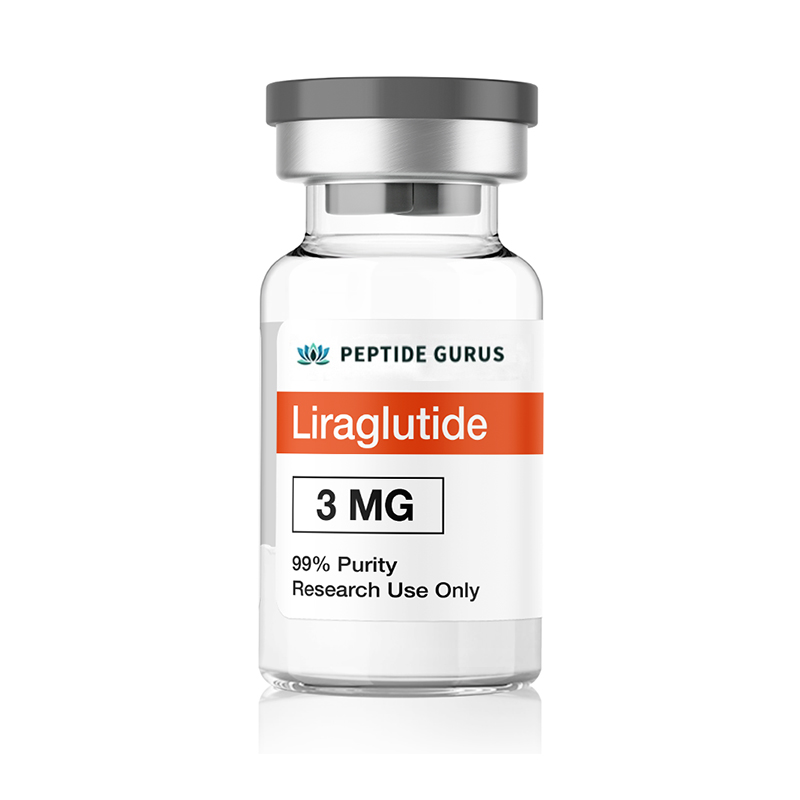
GLP-1, short for glucagon-like peptide-1 is a short, naturally occurring peptide hormone just 30-31 amino acids in length. Its primary physiologic function is to lower blood sugar levels by naturally enhancing insulin secretion. It also plays roles in protection beta cell insulin stores by promoting insulin gene transcription and has been linked with neurotrophic effects in the brain and central nervous system. In the GI system, GLP-1 has been shown to significantly decrease appetite by delaying gastric emptying and reducing intestinal motility. Preliminary research has shown impacts of GLP-1 in the heart, fat, muscles, bones, liver, lungs, and kidneys as well.
The primary focus of GLP-1 research has been in the realm of diabetes treatment/prevention as well as appetite suppression. Secondary research focuses on the potential cardiovascular benefits of the peptide. More recent, and thus less robust, research focuses on the ability of GLP-1 to stave off neurodegenerative disease. Though this latter area of research is newest, it is also the fast-growing area of GLP-1 study now that the peptide has been revealed to slow or prevent the accumulation of amyloid beta plaques in the setting of Alzheimer’s disease.
Perhaps the most important effect that GLP-1 has, according to Dr. Holst, is referred to as the “incretin effect.” Incretins are a group of metabolic hormones, released by the GI tract, that cause a decrease in blood glucose (sugar) levels. GLP-1 has been shown to be one of the two most important hormones (the other being GIP) to stimulate the incretin effect in rodent models. Though GIP circulates at levels roughly 10 times higher than that of GLP-1, there is evidence that GLP-1 is the more potent of the two molecules, particularly when levels of blood glucose are quite high.
A GLP-1 receptor has been identified on the surface of pancreatic beta cells, making it clear that GLP-1 directly stimulates the exocytosis of insulin from the pancreas. When combined with sulfonylurea drugs, GLP-1 has been shown to boost insulin secretion enough to cause mild hypoglycemia in up to 40% of subjects[1]。もちろん、インスリン分泌の増加は、タンパク質合成の増加、タンパク質の分解の減少、骨格筋によるアミノ酸の取り込みの増加など、多くの栄養効果と関連しています。
GLP-1およびベータ細胞保護
動物モデルの研究は、GLP-1が膵臓ベータ細胞の成長と増殖を刺激し、新しいベータ細胞の分化を膵管上皮の前駆細胞を形成する可能性があることを示唆しています。また、GLP-1がベータ細胞アポトーシスを阻害することも研究が示しています[1]. Taken in sum, these effects tip the usual balance of beta cell growth and death toward growth, suggesting that the peptide may be useful in treating diabetes and in protecting the pancreas against insult that harms beta cells.
In one particularly compelling trial, GLP-1 was shown to inhibit the death of beta cells caused by enhanced levels of inflammatory cytokines. In fact, mouse models of type 1 diabetes have revealed that GLP-1 protects islet cells from destruction and may, in fact, be a useful means of preventing onset of the type 1 diabetes[2].
GLP-1受容体が心臓全体に分布し、心拍数を高め、左心室拡張末期圧力を低下させることにより、特定の設定で心機能を改善するように作用することがわかりました。[5]. The latter may not seem like much, but increased LV end-diastolic pressure is associated with LV hypertrophy, cardiac remodeling, and eventual heart failure.
Recent evidence has even suggested that GLP-1 could play role in decreasing the overall damaged caused by a heart attack. It appears that the peptide improves cardiac muscle glucose uptake, thereby helping struggling ischemic heart muscle cells to get the nutrition they need to continue functioning and avoid programmed cell death. The increase in glucose uptake in these cells appears to independent of insulin[6].
Large infusions of GLP-1 into dogs have been shown to improve LV performance and reduce systemic vascular resistance. The latter effect can help to reduce blood pressure and ease strain on the heart as a result[7]。これは、LVリモデリング、血管肥厚、心不全などの高血圧の長期的な結果を減らすのに役立ちます。ホルスト博士によると、心臓損傷後のGLP-1の投与により、「実験的な動物モデルと患者の両方で心筋のパフォーマンスが絶えず増加しています」。Size of damage in heart in control mice (A), mice given standard vasopressin therapy (B), and mice give GLP-1 (C).
Source:糖尿病ジャーナル
GLP-1と脳
GLP-1が学習を改善し、アルツハイマー病などの神経変性疾患からニューロンを保護するのに役立つことを示唆するいくつかの証拠があります。ある研究では、GLP-1は、マウスの連想学習および空間学習を強化し、特定の遺伝子欠陥を持つマウスの学習欠陥を改善することさえ示されたことが示されました。脳の特定の領域のGLP-1受容体を過剰発現するラットでは、学習と記憶はどちらも通常のコントロールよりも大幅に優れています[8].
Additional research in mice has shown that GLP-1 can help to protect against excitotoxic neuron damage, completely protecting rat models of neurodegeneration against glutamate-induced apoptosis. The peptide can even stimulate neurite outgrowth in cultured cells. Researchers are hopeful that additional research on GLP-1 will reveal how it might be used to halt or reverse certain neurodegenerative diseases[9].
Interestingly, GLP-1 and its analogue exendin-4 have been shown in mouse models to reduce levels of amyloid-beta in the brain as well as the beta-amyloid precursor protein found in neurons. Amyloid beta is the primary component of the plaques observed in Alzheimer’s disease, plaques which, while not necessarily known to be causative, are associated with the severity of the disease. It remains to be seen if preventing amyloid beta accumulation can protect against the effects of Alzheimer’s disease, but this research is, at the very least, a tantalizing clue as to how scientists my intervene in the progression of mild cognitive impairment to full Alzheimer’s disease[10].
GLP-1 exhibits minimal to moderate side effects, low oral and excellent subcutaneous bioavailability in mice. Per kg dosage in mice does not scale to humans. GLP-1 for sale at
1986年の教授Jens Juul Holst胃潰瘍手術に関する彼の研究に関連して、GLP-1ホルモンを発見しました。発見以来、Novo Nordiskは使用しています研究to successfully develop products to treat diabetes and obesity.The hormone GLP-1 can be used to regulate blood sugar levels and satiety. Not only has it made treatment of obesity and diabetes possible, it has also proven useful preventatively through early diagnosis for citizens who are at risk of developing diabetes and obesity. In 2015, Jens Juul Holst received the prestigious international Fernström prize for his research on GLP-1. He is one of the most cited researchers in Europe, with over 1,200 published articles and citations in over 3,500 articles annually.
Professor Jens Juul Holst is being referenced as one of the leading scientists involved in the research and development of GLP-1. In no way is this doctor/scientist endorsing or advocating the purchase, sale, or use of this product for any reason. There is no affiliation or relationship, implied or otherwise, between
“The Physiology of Glucagon-like Peptide 1 | Physiological Reviews.” [Online].
“Combined treatment with lisofylline and exendin-4 reverses autoimmune diabetes. – PubMed – NCBI.” [Online].
“The proglucagon-derived peptide, glucagon-like peptide-2, is a neurotransmitter involved in the regulation of food intake. – PubMed – NCBI.” [Online].
“Interim analysis of the effects of exenatide treatment on A1C, weight and cardiovascular risk factors over 82 weeks in 314 overweight patients with… – PubMed – NCBI.” [Online].
“Cardiac function in mice lacking the glucagon-like peptide-1 receptor. – PubMed – NCBI.” [Online].
“Glucagon-like Peptide 1 Can Directly Protect the Heart Against Ischemia/Reperfusion Injury | Diabetes.” [Online].
“Recombinant glucagon-like peptide-1 increases myocardial glucose uptake and improves left ventricular performance in conscious dogs with pacing-ind… – PubMed – NCBI.” [Online].
“Glucagon-like peptide-1 receptor is involved in learning and neuroprotection. – PubMed – NCBI.” [Online].
“Protection and reversal of excitotoxic neuronal damage by glucagon-like peptide-1 and exendin-4. – PubMed – NCBI.” [Online].
“A new Alzheimer’s disease interventive strategy: GLP-1. – PubMed – NCBI.” [Online].
Holst JJ. From the Incretin Concept and the Discovery of GLP-1 to Today’s Diabetes Therapy.Front Endocrinol (Lausanne). 2019;10:260. Published 2019 Apr 26. doi:10.3389/fendo.2019.00260https://www.ncbi.nlm.nih.gov/pmc/articles/PMC6497767/このウェブサイトで提供されるすべての記事と製品情報は、情報および教育目的のみを目的としています。このウェブサイトで提供される製品は、ビトロ内の研究のためにのみ提供されています。 in-vitro研究(ラテン語:ガラス)は体の外側で行われます。これらの製品は薬や薬ではなく、病状、病気、病気を予防、治療、治療するためにFDAによって承認されていません。あらゆる種類の人間や動物への身体導入は、法律によって厳密に禁じられています。