

• Fournisseur d'équipement de synthèse peptidique
  • Peptide de rétatrutide meilleur prix
q
X
q

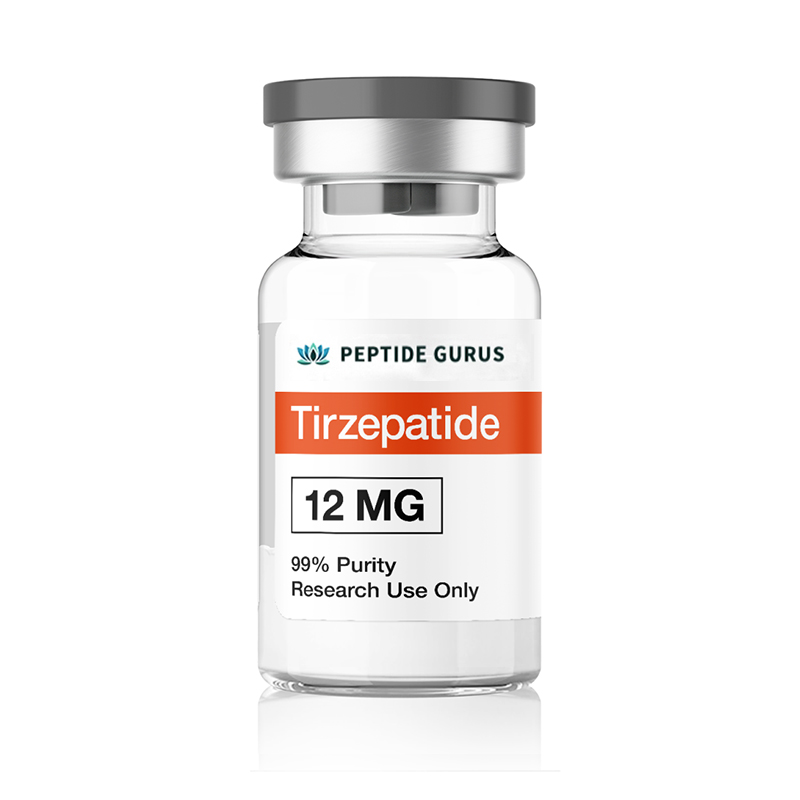
Tirzépatide 12mg

Catégories:,

Contact pour commander
Envoyez-nous un e-mail dès maintenant pour passer votre commande avec un support individuel. Stock limité ! Nous acceptons Zelle, CashApp, Venmo, virements bancaires et cryptomonnaies.
Eau bactériostatique

Eau bactériostatique libre (1) 30 ml
avec des commandes qualifiées sur500 USD. (exclut les produits de capsule, les peptides cosmétiques, les codes promotionnels et l'expédition)

Tirzépatideest une dérivée synthétique du polypeptide inhibiteur gastrique (GIP) qui a également une fonctionnalité simultanée de peptide-1 de type glucagon (GLP-1). Cette combinaison permet au tirzépatide d'abaisser la glycémie, d'augmenter la sensibilité à l'insuline, de stimuler les sentiments de satiété et d'accélérer la perte de poids. Le tirzépatide a été développé pour lutter contre le diabète de type 2, mais il a également été démontré qu'il protégeait le système cardiovasculaire et agit comme un puissant agent de perte de poids.
Utilisation du produit:Ce produit est conçu uniquement comme un produit chimique de recherche.Cette désignation permet l'utilisation de produits chimiques de recherche strictement pour les tests in vitro et l'expérimentation de laboratoire uniquement. Toutes les informations sur les produits disponibles sur ce site Web sont à des fins éducatives uniquement. L'introduction corporelle de toute nature dans l'homme ou les animaux est strictement interdite par la loi. Ce produit ne doit être géré que par des professionnels agréés et qualifiés. Ce produit n'est pas une drogue, de la nourriture ou un cosmétique et peut ne pas être mal étendu, mal utilisé ou erroné comme drogue, aliment ou cosmétique.

Tirzépatide

Le tirzépatide est un analogue synthétique du polypeptide inhibiteur gastrique (GIP) qui a été développé pour sa capacité à stimuler la libération d'insuline et à traiter ainsi le diabète de type 2 et la stéatose hépatique non alcoolique. Composée de 39 acides aminés, le tirzépatide relativement grand stimule la libération d'insuline du pancréas en se liant aux récepteurs GIP et GLP-1 (peptide-1 de type glucagon). Pris plus de périodes plus longues, le tirzépatide augmente aussi les niveaux d'adiponectine jusqu'à 26% [1]. La recherche montre que le tirzépatide réduit les sentiments de faim, abaisse les niveaux d'insuline et augmente la sensibilité à l'insuline. Ensemble, ces effets provoquent une perte de poids significative de 11 kg (25 lb), améliorent la tolérance au glucose, diminuant les tissus des graisses (adipeux) et réduisent le risque cardiovasculaire.

Structure de tirzépatide

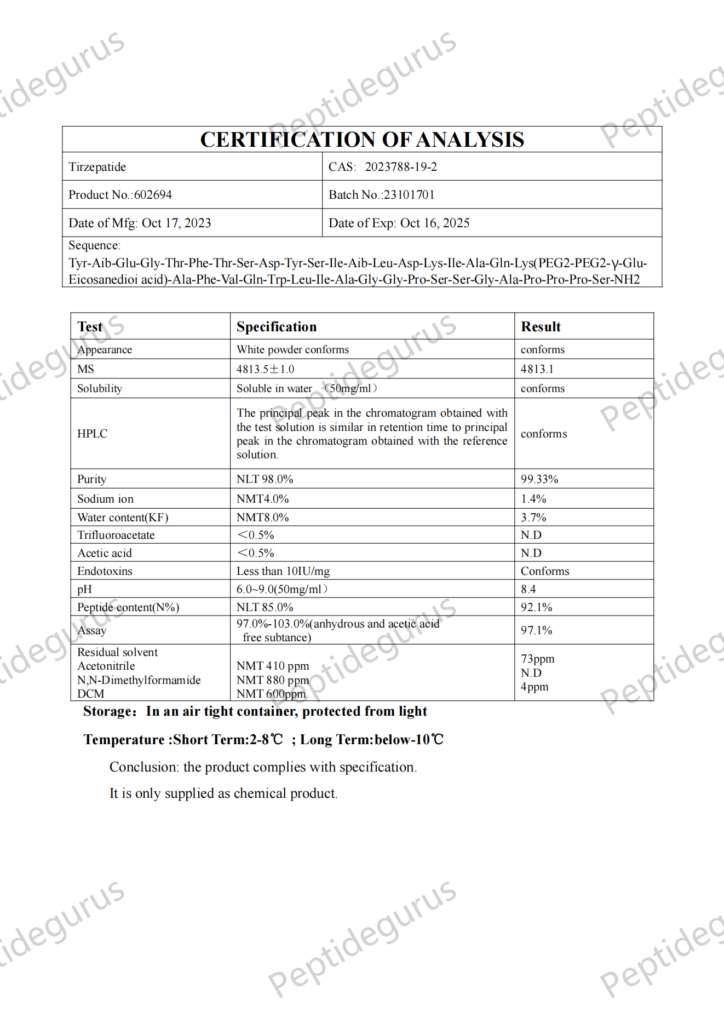
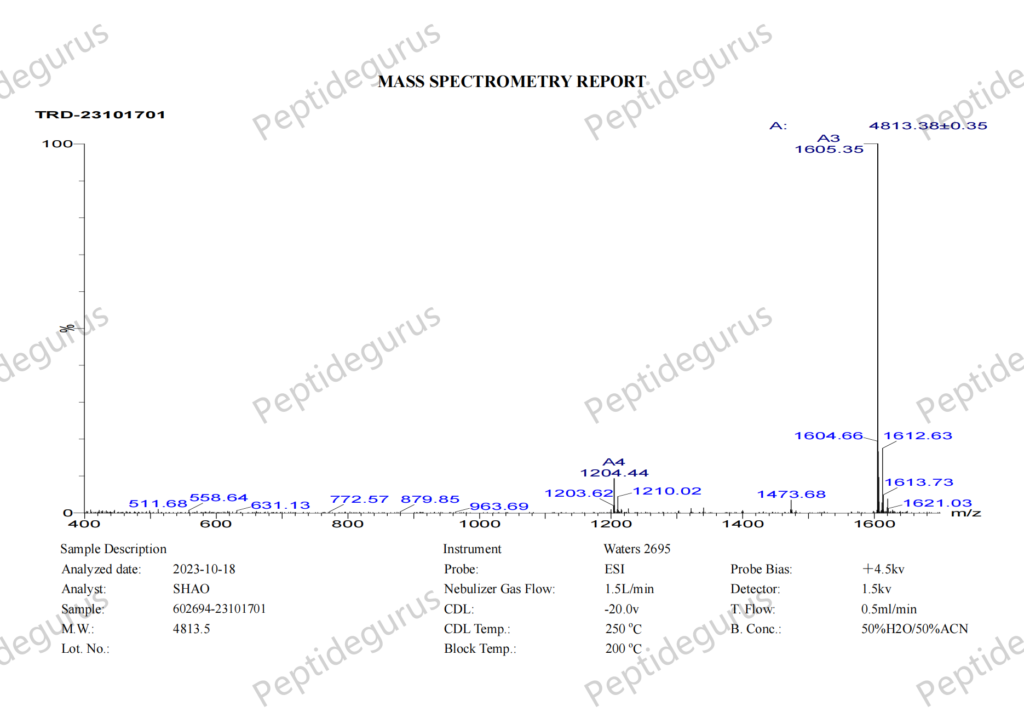
Séquence d'acides aminés:Ye-aib-gtftsdysi-aib-ldkiaq(Acide gras C20)AfvqwliaggpsssgapppsNote:L'AIB est un acide aminé non codé (non protéinogène) - H2H-C (ch3)2COOHFormule moléculaire:C225H348N48O68Poids moléculaire:4813.527 g / molPubChem CID:156588324 Numéro CAS:2023788-19-2Synonymes:P1206, LY3298176MoleculeSource:Se publier

Que fait le tirzépatide?

Simply put, Tirzepatide increases the release of insulin from the pancreas resulting in improved glucose control. Research shows that, in individuals with Type 2 diabetes, Tirzepatide decreases hemoglobin A1c (HbA1c) levels by 2.4% after six months. The peptide also appears to aid in weight loss, showing a dose-dependent relationship and helping individuals lose as much as 11 kg (25 lbs) over six months[1], [2]. It isn’t just that Tirzepatide increases insulin release though. Research suggests that the peptide actually improves the function of pancreatic beta cells, the cells that make and release insulin. Studies suggest that Tirzepatide may actually make beta cells more effective at processing insulin, which leads not just to increases in insulin levels in the bloodstream, but decreased stress on the beta cells themselves. This may, in turn, help to slow the progressive nature of type 2 diabetes. Research shows that Tirzepatide doesn’t just increase insulin levels at random though. It appears to do so only in response to increased blood glucose levels. During fasting, Tirzepatide actually decreases insulin levels and thus helps to increase insulin sensitivity over time. It also decreases fasting levels of glucagon, which are thought to exacerbate hyperglycemia by interfering with hepatic glucose metabolism. Overall, these changes are a big part of the reason Tirzepatide has a profound effect on glucose and, ultimately, HbA1c levels[3].

Comment fonctionne le tirzépatide?

Tirzepatide is a dual agonist of the gastric inhibitory polypeptide receptor and the glucagon-like peptide-1 receptor. Action at these receptors appears to have synergistic effects that make Tirzepatide more effective than strict GLP-1 agonists that are already approved for the treatment of type 2 diabetes. The affinity of Tirzepatide for the GIP receptor is greater than its affinity for the GLP-1 receptor. Gastric inhibitory polypeptide, which is also referred to as the glucose-dependent insulinotropic polypeptide, is synthesized naturally in the small intestine. This polypeptide binds to the GIP receptor to inhibit gastric acid secretion and gastrin release while stimulating insulin release. The latter is the primary function of GIP-R and is the primary reason that insulin levels increase following a meal. Glucagon-like peptide-1 receptors are found on beta cells as well as in neurons in the brain. Like GIP-R, stimulation of GLP-1R stimulates the release of insulin. Natural agonists include glucagon and GLP1, but it has also been shown to bind nearly a dozen synthetic agonists including dulaglutide, lithium, and oxyntomodulin. Activation of GLP-1R increases both insulin synthesis and insulin release, factors that have made it a desirable target in drug development. In the brain, GLP-1R stimulation lowers appetite. Interestingly, stimulation of GLP-1R appears to increase beta cell density in the pancreas. GLP-1R stimulation increases expression of the anti-apoptotic bcl-2 gene while reducing expression of pro-apoptotic bax and caspase-3 genes. This leads to enhanced beta cell survival and, ultimately, to increased levels of insulin[4]. The combination of GIPR and GLP-1R activity is what gives Tirzepatide an edge over strict GLP-1R agonists. Research shows that Tirzepatide acts identically to GIP at the GIPR, but favors cAMP production over β-arrestin recruitment when acting at the GLP-1R. These details may seem esoteric to some extent, but this difference in activity from endogenous GLP-1 appears to cause GLP-1R activation without increasing physiological internalization of the receptor. The net result is enhanced GLP-1R activity with Tarazepide compared to both endogenous GLP-1 as well as other synthetic GLP-1R agonists[5]. These slight alterations mean that Tirzepatide drastically enhances insulin secretion, promotes feelings of satiety, and reduces inflammation in adipose tissue. These combined effects make it a highly efficacious anti-diabetes peptide. Finally, Tirzepatide appears to alter adiponectin levels, raising overall levels of the fat-burning peptide. Increased levels of adiponectin reduce fat cell differentiation and increase energy expenditure by making mitochondria more inefficient. A low level of this peptide hormone has been implicated in diseases such as type 2 diabetes, atherosclerosis, and non-alcoholic fatty liver disease[6]. It is worth noting that elevated adiponectin levels elevate insulin sensitivity, so it would appear that Tirzepatide modulates insulin sensitivity via several mechanisms.

Tirzépatide et faim

Research shows that Tirzepatide delays gastric emptying during the earliest phases of its administration but that the effect diminishes over time as a result of tachyphylaxis[7]. These effects are similar to those seen with pure GLP-1R agonists, indicating that this action of Tirzepatide is almost completely controlled by its GLP-1 activity and not at all by its GIP activity. It appears that the effects of Tirzepatide on gastric emptying can be prolonged if the peptide is taken at a low dose for four weeks and then the dose is escalated. This also helps to mitigate side effects caused by the peptide and creates a veritable win-win for patients. Delayed gastric emptying can help to increase feelings of satiety and reduce hunger as well as food cravings. Combined with the effects Tirzepatide has on glucose levels, this can actually help to alter eating patterns over the long term.

Tirzépatide et poids

As noted above, Tirzepatide use is associated with substantial weight loss over a six-month time interval. A comparison of Tirzepatide to other GLP-1 analogues, like degludoc, indicates a striking difference. Whereas Tirzepatide causes a dose-dependent decrease in weight over time, degludoc and other GLP-1R agonists cause weight gain[12]. It appears that the GIP agonism cause by Tirzepatide is what is responsible for the peptide’s long-term effects on weight. GIP appears to directly impact the insulin-sensitivity of adipocytes, which is likely the mechanism by which Tirzepatide impacts adiponectin levels. In short, Tirzepatide activates GIP receptors in fat cells, which then leads to an increase insulin sensitivity. This, in turn, leads to a reduction in adipose inflammation as well as an increase in adiponectin levels and the associated benefits. This isn’t the whole picture, however. Research shows that GIP signaling in the central nervous system regulates hypothalamic feeding centers leading to decreased food intake and improved glucose handling. This, in turn, leads to decreased body weight[13]. Thus, it appears that Tirzepatide impacts weight via adiponectin signaling directly in adipose tissue and via CNS alterations that reduce hunger levels via GIPR signaling in the brain.Le polypeptide insulinotrope dépendant du glucose est un autre terme pour le polypeptide inhibiteur gastrique (GIP)Source:ScienceDirect

Tirzépatide et le cœur

As noted, Tirzepatide alters adiponectin levels. Low adiponectin has been associated with atherosclerosis, obesity, and heart disease while increased adiponectin levels have been associated with decrease risk of all of these things. Research in humans with type 2 diabetes has shown that Tirzepatide improves lipoprotein biomarkers, lowering levels of triglycerides, apoC-III, and a handful of other lipoproteins[8]. Combined, these effects mean reduced risk of heart disease as a likely result of decreased adiposity. Research shows that increased adiponectin levels increase HDL levels while decreasing triglyceride levels, both of which are associated with lower risk of heart disease. The peptide hormone appears to go further though, reducing scavenger receptors in macrophages and increasing the levels of cholesterol efflux to greatly protect against atherosclerosis. Increases in adiponectin levels have been associated with improved nutrition, exercise, and the use of certain lipid-lowering medications[9]. It appears that Tirzepatide has similar beneficial effects. Research shows that GLP-1 is important in both the direct regulation of cardiovascular risk factors such as hypertension, dyslipidemia, and obesity as well as in the indirect regulation of risk factors like inflammation and endothelial cell dysfunction[10]. The former effects are discussed above and below in relationship to adiponectin. The effects on inflammation and endothelial function, however, appear to be mediated more directly. In the case of endothelial function, GLP-1 signaling has been shown to induce relaxation of blood vessels leading to decreased blood pressure and enhanced end organ perfusion. This effect appears to result from increased expression of eNOS, the enzyme that generates nitric oxide and induces vascular relaxation. Interestingly, these effects appear to be enhanced in the setting of preexisting cardiovasulcar disease and diabetes[10]. Of course, it is well known that inflammation is directly correlated with atherosclerosis. The details are still being worked out, but GLP-1 signaling appears to decrease inflammation via a handful of mechanisms including reduced NF-κB signaling, decreased MMP-9 activity, inhibited inflammatory cytokine synthesis, and decreases in inflammatory macrophage activity. What is more, these effects appear to last as long as three months after a single dose of a GLP-1R agonist like Tirzepatide[10]. Tirzepatide is undergoing a clinical trial to further evaluate its medium-term effects on individuals with heart failure[11].

Résumé du tirzépatide

Le tirzépatide est un dérivé synthétique du polypeptide inhibiteur gastrique (GIP) qui a également une fonctionnalité simultanée de peptide-1 de type glucagon (GLP-1). Cette combinaison permet au tirzépatide d'abaisser la glycémie, d'augmenter la sensibilité à l'insuline, de stimuler les sentiments de satiété et d'accélérer la perte de poids. Le tirzépatide a été développé pour lutter contre le diabète de type 2, mais il a également été démontré qu'il protégeait le système cardiovasculaire et agit comme un puissant agent de perte de poids.

Article auteur

La littérature ci-dessus a été étudiée, édité et organisée par le Dr E. Logan, M.D. Le Dr E. Logan est titulaire d'un doctorat à partir deCase Western Reserve University School of Medicineet un B.S. en biologie moléculaire.

Auteur de journal scientifique

Dr Kyle Sloopis a Research Advisor in the Endocrine Discovery Division of Lilly Research Laboratories at Eli Lilly and Company in Indianapolis. He received a B.Sc. in biology from Indiana University, a M.Sc. in biotechnology from Northwestern University, and the Ph.D. in molecular biology and biochemistry from Purdue University. Dr. Sloop’s research investigates molecular mechanisms that control glucose homeostasis, including insulin secretion and action, with a focus on novel therapeutic targets for metabolic disease. He leads interdisciplinary teams on early drug discovery effort, has formed alliance partnerships with external companies specialized in enabling technologies, and currently has established basic research collaborations with international investigators to explore mechanism of action studies for high value targets, including the areas of GPCR allosterism, ligand bias signaling, and protein-protein interaction. He previously served on the Research Affairs Committee of the Endocrine Society and as faculty for the Society’s Early Investigators Workshop and Early Career Forum. Dr. Kyle Sloop is being referenced as one of the leading scientists involved in the research and development of Cardiogen. In no way is this doctor/scientist endorsing or advocating the purchase, sale, or use of this product for any reason. There is no affiliation or relationship, implied or otherwise, between
Gourous peptidiquesEt ce médecin. Le but de citer le médecin est de reconnaître, de reconnaître et de créditer les efforts exhaustifs de recherche et de développement menés par les scientifiques qui étudient ce peptide. Le Dr Kyle Sloop est répertorié dans[5]et[14]sous les citations référencées.

Citations référencées

  1. M. K. Thomaset al., «Le tirzépatide Agoniste du récepteur Double GIP et GLP-1 améliore la fonction des cellules bêta et la sensibilité à l'insuline dans le diabète de type 2», j. Clinquant Endocrinol. Metab., Vol. 106, no. 2, pp. 388–396, nov. 2020, doi: 10.1210 / climum / dgaa863.
  2. T. Min et S. C. Bain, «Le rôle du tirzépatide, du double GIP et de l'agoniste des récepteurs GLP-1, dans la gestion du diabète de type2: les essais cliniques dépassés», Diabetes Ther., Vol. 12, non. 1, pp. 143–157, janvier 2021, doi: 10.1007 / s13300-020-00981-0.
  3. Frias, Juan Pablo, et al. «L'efficacité et la tolérabilité du tirzépatide, un double peptide insulinotrope et un agoniste du peptide-1 de type glucagon chez les patients atteints de diabète de type 2: une étude de 12 semaines, randomisée, en double aveugle, contrôlée par placebo pour évaluer différents régimes de dose-escalité.» ».» Diabète, obésité et métabolisme, vol. 22, non. 6, 11 février 2020, pp. 938–946, 10.1111 / dom.13979.
  4. «Resurrection de la cellule bêta dans le diabète de type 2», Medscape. http://www.medscape.org/viewarticle/544820 (consulté le 03 avril 2022).
  5. F. S. Willardet al., «Le tirzépatide est un agoniste Dual GIP et GLP-1 déséquilibré et biaisé», JCI Insight, vol. 5, no. 17, p. E140532, doi: 10.1172 / jci.insight.140532.
  6. M. L. Hartmanet AL., «Effets du nouveau tirzépatide du récepteur GIP double et GLP-1 sur les biomarqueurs de la stéatohépatite non alcoolique chez les patients atteints de diabète de type 2», Diabetes Care, vol. 43, no. 6, pp. 1352–1355, juin 2020, doi: 10.2337 / DC19-1892.
  7. Urva, Shweta, et al. «Le nouveau polypeptide insulinotrope à double glucose et glucagon-like peptide-1 (GLP-1) agoniste du tirzépatide retarde de manière transitoire la vidange gastrique de manière transitoire avec les agonistes sélectifs des récepteurs du GLP-1 à long terme.». » Diabète, obésité et métabolisme, vol. 22, non. 10, 13 juillet 2020, pp. 1886–1891, 10.1111 / dom.14110.
  8. Wilson, Jonathan M., et al. «Le peptide insulinotrope à double glucose et l'agoniste du récepteur du peptide-1 de type glucagon, le tirzépatide, améliore les biomarqueurs des lipoprotéines associés à la résistance à l'insuline et au risque cardiovasculaire chez les patients atteints de diabète de type 2». Diabète, obésité et métabolisme, vol. 22, non. 12, 15 septembre 2020, pp. 2451–2459, 10.1111 / dom.14174.
  9. H. Yanai et H. Yoshida, «Effets bénéfiques de l'adiponectine sur le métabolisme du glucose et des lipides et la progression athérosclérotique: mécanismes et perspectives», Int. J. Mol. Sci., Vol. 20, non. 5, p. 1190, mars 2019, doi: 10.3390 / ijms20051190.
  10. M. Tate, A. Chong, E. Robinson, B. D. Green et D. J. Grieve, «Le ciblage sélectif de la signalisation du peptide-1 de type glucagon comme une nouvelle approche thérapeutique pour les maladies cardiovasculaires dans le diabète», Br. J. Pharmacol., Vol. 172, no. 3, pp. 721–736, février 2015, doi: 10.1111 / bph.12943.
  11. UCSD, «Essai d'obésité UCSD: une étude du tirzépatide (LY3298176) chez les participants souffrant d'insuffisance cardiaque avec fraction d'éjection et obésité préservée (sommet).» https://clinicaltrials.ucsd.edu/trial/nct04847557 (consulté le 03 avril 2022).
  12. B. Ludviket al., «Tirzepatide autrefois hebdomadaire versus insuline autrefois par jour comme complément à la metformine avec ou sans inhibiteurs de SGLT2 chez les patients atteints de diabète de type 2 (dépanneur-3): un groupe randomisé et ouvert, group parallèle, essai de phase 3», Lancet Lond. Engl., Vol. 398, no. 10300, pp. 583–598, août 2021, doi: 10.1016 / s0140-6736 (21) 01443-4.
  13. Q. Zhanget al., «Le polypeptide insulinotrope dépendant du glucose (GIP) régule le poids corporel et l'apport alimentaire via la signalisation CNS-GIPR», Cell Metab., Vol. 33, no. 4, pp. 833-844.e5, avril 2021, doi: 10.1016 / j.cmet.2021.01.015.
Tous les articles et informations sur les produits fournis sur ce site Web sont à des fins informationnelles et éducatives uniquement.Les produits proposés sur ce site Web sont fournis uniquement pour des études in vitro. Des études in vitro (latin: en verre) sont réalisées en dehors du corps. Ces produits ne sont pas des médicaments ou des médicaments et n'ont pas été approuvés par la FDA pour prévenir, traiter ou guérir une condition médicale, une maladie ou une maladie. L'introduction corporelle de toute nature dans l'homme ou les animaux est strictement interdite par la loi.

Demander une enquête

À propos de nous

Peptidegurus est l'un des principaux fournisseurs de peptides de recherche de fabrication américaine, offrant des produits de qualité supérieure à des prix compétitifs. En mettant l'accent sur l'excellence et le service à la clientèle, ils garantissent un processus de commande sécurisé et pratique avec l'expédition mondiale.

Demander un devis

  • Gourous peptidiques
  • info@peptidegurus.com
  • Glendale, c'est, USA
  • CONTACT

    Demander une enquête