
• GHK-Cu peptide in chemotherapy side effects
テストレポート#GHKで
X
テストレポート#GHKで

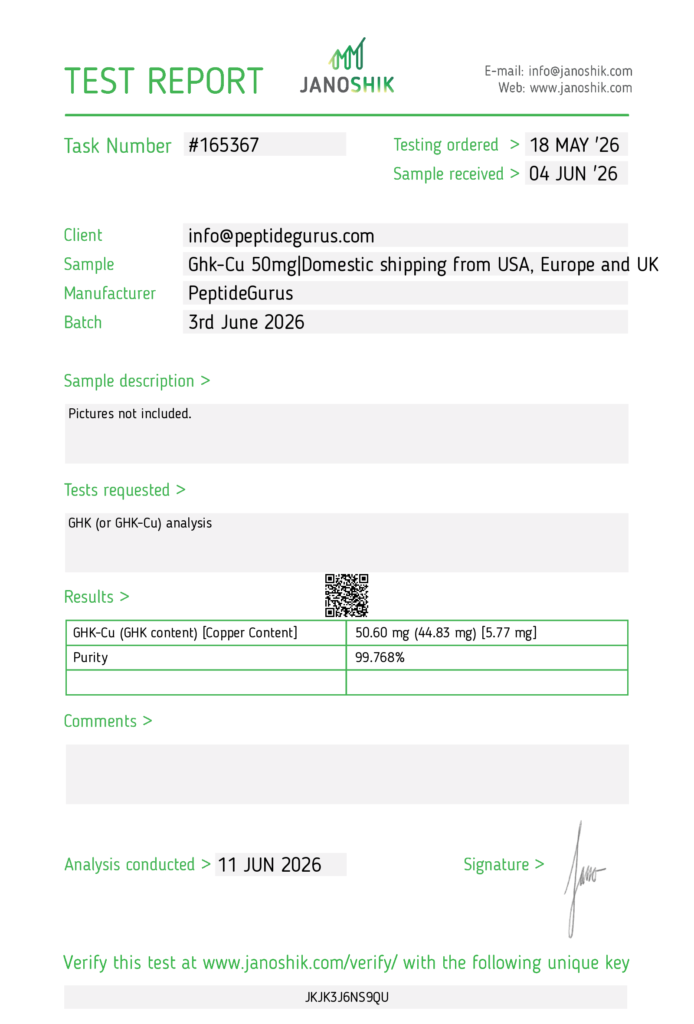
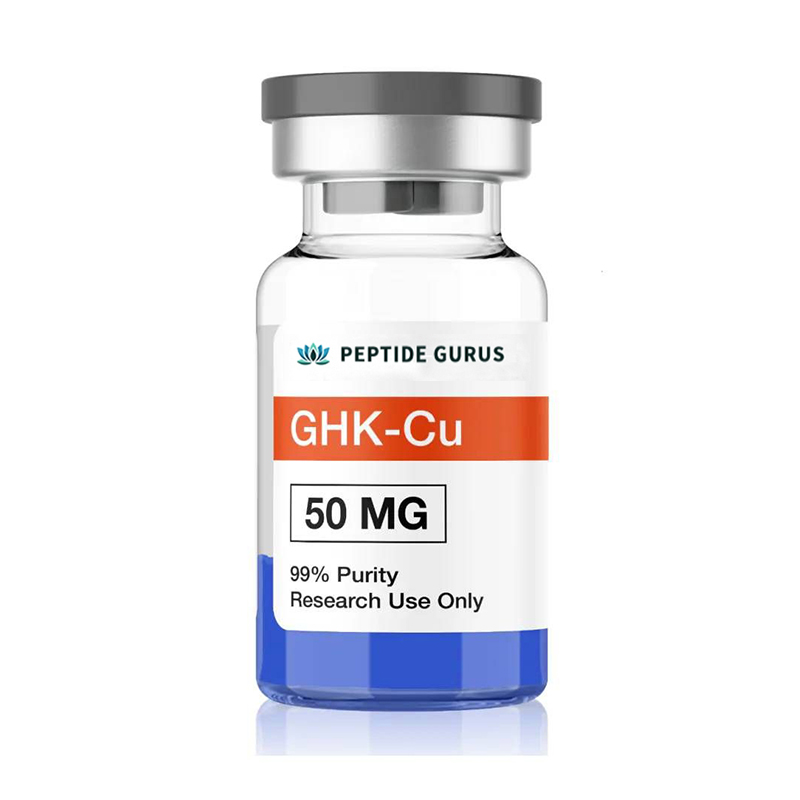
GHK-CU 50mg銅ペプチド

カテゴリ:,

注文するには連絡先
今すぐメールでご注文をし、1対1のサポートでご注文いたします。在庫が限られています!Zelle、CashApp、Venmo、銀行振込、暗号通貨もご利用いただけます。

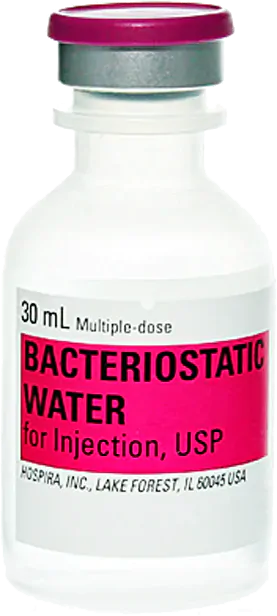
遊離(1)30 mlの細菌性水
資格のある注文があります500米ドル. (カプセル製品、化粧品ペプチド、プロモーションコード、出荷を除く)
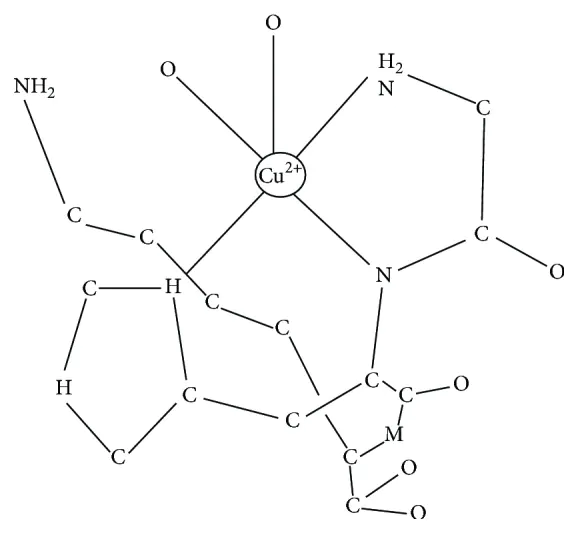
ghk-ciは、ヒトの血漿、尿、唾液の天然ペプチドです。動物の研究により、GHK-CUはコラーゲン、線維芽細胞を刺激し、血管の成長を促進することにより、創傷治癒、免疫機能、皮膚の健康を改善できることが明らかになりました。組織損傷後に生成されるフィードバック信号として機能することを示した証拠があります。また、フリーラジカルな損傷を抑制し、したがって強力な抗酸化物質です。
製品の使用:この製品は、研究化学物質としてのみ意図されています。この指定により、in vitroテストと実験室の実験のために、研究化学物質を厳密に使用することができます。このウェブサイトで利用可能なすべての製品情報は、教育目的のみを目的としています。あらゆる種類の人間や動物への身体導入は、法律によって厳密に禁じられています。この製品は、認可された資格のある専門家によってのみ処理される必要があります。この製品は薬物、食品、または化粧品ではなく、薬物、食品、化粧品として誤ってブランド化されたり、誤用されたり、誤ったりしたりすることはない場合があります。

ghk-ci

GHK-CUは、最初にヒトの血漿から分離された自然に存在するペプチドです。その後、尿と唾液でも同定されています。 GHK-CUの研究では、短いペプチドが創傷治癒と免疫機能に大きな利点があることがわかりました。アンチエイジング特性を備えており、遊離 - ラジカルな損傷を抑制し、タンパク質合成を増加させ、細菌と闘い、皮膚および皮膚線維芽細胞の健康を高めることがわかっています。

構造

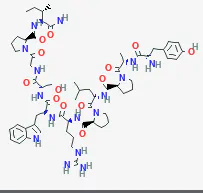
順序:gly-his-lys.cu.xhac分子式:C14H23CUN6O4分子量:340.384 g/molPubchem cid: 73587 CAS番号:89030-95-5

GHK-Curse Research

1。GHK-CUおよび皮膚の治癒

GHK-CUは人間の血液の自然な部分であり、そのため、皮膚再生経路で不可欠な役割を果たすことがわかっています。皮膚培養の研究により、GHKはコラーゲン、グリコサミノグリカン、およびプロテオグリカンや硫酸コンドロイチンなどの他の細胞外マトリックス成分の合成と分解を刺激することがわかっています。この効果の少なくとも一部は、GHK-CUが線維芽細胞、免疫細胞、および内皮細胞に及ぼす肯定的な補充の利点を通じて媒介されます。ペプチドはこれらの細胞を傷害の部位に引き込み、損傷の修復における彼らの活動を調整するように見えます[1]. GHK-Cu is a common component of skin-care and cosmetic products. It improves elasticity of the skin while tightening and firming. It has also been shown to reduce damage due to sunlight, reduce hyperpigmentation, and reduce the appearance of fine lines and wrinkles[1]。 GHK-CUがコラーゲン合成を調節する能力は、傷跡の外観を減らし、肥大性の治癒が起こらないようにし、粗い皮膚を滑らかにし、老化した皮膚の構造を修復する上で重要です。 GHK-CUのこれらの役割は、成長因子-βの変換レベルを高める能力ですが、部分的に媒介されます[2]。ペプチドはいくつかの異なる生化学経路を介して機能し、遺伝子転写の効果とレベルがある可能性があります[3]. Research in mice shows that GHK-Cu increases the rate of healing following burn by as much as 33%. It appears that besides recruiting immune cells and fibroblasts to the site of injury, GHK-Cu also encourages the growth of blood vessels[4]。皮膚の燃焼は、熱量化効果のために血管を再調整するのが遅いことが多いため、これらの所見は、火傷ユニットの創傷ケアを改善し、治癒を加速するための新しい経路を開きます。

2。GHK-CUおよびバクテリア

外来病原体による組織の浸潤は、傷が治癒するのが遅い、またはまったく治癒しない主な理由の1つです。細菌および真菌の感染症は、火傷患者や免疫系の低下患者(糖尿病、HIVなど)の患者で特に問題があります。 GHK-CUは、特定の脂肪酸と組み合わせると、創傷治癒を複雑にすることが知られている多くの細菌と真菌に対して活性である強力な抗菌化合物を作成します。[5]. Research in diabetic patients has shown that GHK-Cu is superior to standard care regimens alone in the treatment of diabetic ulcers. Patients given both standard care and GHK-Cu showed a ~40% increase in wound closure and a 27% decrease in rates of infection compared to control groups[6]。同様の結果が、虚血性の開いた傷の患者で見られました[7].

3。GHK-CU、認知および神経系機能

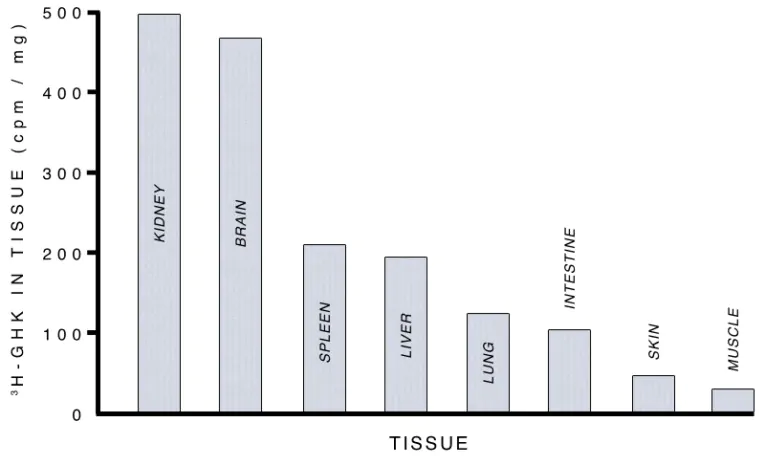
アルツハイマー病のような変性疾患によるニューロンの死亡はあまり理解されていません。これにより、治療を開発することが困難になり、利用可能な治療法は一般に有効性が限られています。しかし、研究では、GHK-CUがこれらの疾患の根底にあることが多いニューロン機能の年齢に関連した低下に対抗できることが示唆されています。研究によると、GHK-CUは神経系の血管新生を改善し、神経の伸長を高め、中枢神経系の炎症を軽減できることが示されています。 GHK-CUが病理学的遺伝子発現をリセットし、機能不全のシステムで健康状態を再現するのに役立つという証拠さえあります[8]. GHK-Cu is found in high concentrations in the brain, though levels of the peptide decline with age. There is a thought, among scientists, that GHK-Cu may protect nervous system tissues against natural insults such as gene dysregulation and that it is the decline in GHK-Cu with age, and not the onset of new disease processes, that actually leads to neurodegeneration.
GHK-Cu Levels in various tissues Source:PubMedラットの研究は、GHK-CUが脳組織を保護する可能性のあるメカニズムがアポトーシスを防ぐことによるものであることを示しています。この作用は、よく知られているmiR-339-59/vegfa経路を介して媒介されるようであり、脳出血と脳卒中に続いて活性です。ラットモデルでは、GHK-CUは脳内の神経学的欠損を改善し、腫れを減らし、miR-339-5pの過剰発現によって一般的に購入されるニューロンの死を阻害しました[9].

4。GHK-CUおよび化学療法の副作用

マウスの研究では、GHK-CUが癌薬物ブレオマイシンによる治療後に発生する線維症から肺を保護できることが示されています。[10]. This could pave the way for using GHK-Cu as a chemotherapy adjuvant that allows doses of these life-saving medications to be increased without risk of increased side effects. The study when a step farther, than usual, by identifying the likely pathway by which GHKC-Cu protects against fibrosis. It appears that the peptide regulations TNF-alpha dn IL-6 levels, both of which act as inflammatory molecules and affect the extracellular matrix and smooth muscle of the lung. By reducing inflammation in the lungs, GHK-Cu prevents fibrotic remodeling from taking place and improves collagen deposition. Similar benefit of GHK-Cu in protecting lungs was found in mouse models of acute respiratory distress syndrome (ARDS), an inflammatory lung condition that can develop rapidly and be fatal. ARDS is associated with injury, infection, and certain drugs like those used in chemotherapy. Once again, GHK-Cu appeared to mediate its effects through decreased TNF-alpha and IL-6 expression[11].

5。GHK-CUおよび痛みの軽減

ラットモデルでは、GHK-CUの投与は、痛みに誘発される行動に用量依存的な影響を及ぼしました。ペプチドは、自然鎮痛剤L-リジンのレベルの増加によって生成される鎮痛効果を持っているように見えます[12]。同様の研究では、ペプチドが別の鎮痛性アミノ酸であるL-アルギニンのレベルも増加させる可能性があることがわかっています。[13]. These findings open up new avenues for pain control that do not rely on addictive opiate medications or NSAIDs, which have been found to have negative effects on the heart. GHK-Cu exhibits minimal side effects, low oral and excellent subcutaneous bioavailability in mice. Per kg dosage in mice does not scale to humans. GHK-Cu for sale at
ペプチドグル人間の消費ではなく、教育的および科学的研究のみに限定されています。あなたが認可された研究者である場合にのみGHK-CUを購入してください。

記事著者

上記の文献は、M.D。Logan博士によって研究、編集、および組織されました。ケースウエスタンリザーブ大学医学部とB.S.分子生物学で。

Scientific Journalの著者

ローレンピカート博士109の出版物をリリースし、特許を開発し、4,192遺伝子のヒト遺伝子発現に対するGHKの影響を分析しています。 GHKの公開された潜在的な使用に加えて炎症、転移がん、COPD、神経系、胃腸系、ミトコンドリア系などの他の組織系に有益な効果をもたらすようです。彼の短いが詳細な自伝は、肌、アンチエイジング、生涯にわたるトレーニングに専念する背後にある動機と背景に分かれています。ローレンピカート博士GHK-CUの研究開発に関与する主要な科学者の一人として参照されています。この医師/科学者は、何らかの理由でこの製品の購入、販売、または使用を承認または提唱することは決してありません。関係や関係はありません。
ペプチドグルそしてこの医者。医師を引用する目的は、このペプチドを研究している科学者が実施した徹底的な研究開発努力を認め、認識し、称賛することです。LorenPickart、Ph.Dはにリストされています。[1] [3]そして[8]参照された引用の下。

参照された引用

    L. Pickart, J. M. Vasquez-Soltero, and A. Margolina, “GHK Peptide as a Natural Modulator of Multiple Cellular Pathways in Skin Regeneration,” BioMed Res. Int., vol. 2015, p. 648108, 2015. [BioMed Research International] A. Gruchlik, E. Chodurek, and Z. Dzierzewicz, “Effect of GLY-HIS-LYS and its copper complex on TGF-β secretion in normal human dermal fibroblasts,” Acta Pol. Pharm., vol. 71, no. 6, pp. 954–958, Dec. 2014. [PubMed] L. Pickart and A. Margolina, “Regenerative and Protective Actions of the GHK-Cu Peptide in the Light of the New Gene Data,” Int. J. Mol. Sci., vol. 19, no. 7, Jul. 2018. [PubMed] X. Wang et al., “GHK-Cu-liposomes accelerate scald wound healing in mice by promoting cell proliferation and angiogenesis,” Wound Repair Regen. Off. Publ. Wound Heal. Soc. Eur. Tissue Repair Soc., vol. 25, no. 2, pp. 270–278, 2017. [PubMed] M. Kukowska, M. Kukowska-Kaszuba, and K. Dzierzbicka, “In vitro studies of antimicrobial activity of Gly-His-Lys conjugates as potential and promising candidates for therapeutics in skin and tissue infections,” Bioorg. Med. Chem. Lett., vol. 25, no. 3, pp. 542–546, Feb. 2015. [Science Direct] G. D. Mulder et al., “Enhanced healing of ulcers in patients with diabetes by topical treatment with glycyl-l-histidyl-l-lysine copper,” Wound Repair Regen. Off. Publ. Wound Heal. Soc. Eur. Tissue Repair Soc., vol. 2, no. 4, pp. 259–269, Oct. 1994. [PubMed] S. O. Canapp et al., “The effect of topical tripeptide-copper complex on healing of ischemic open wounds,” Vet. Surg. VS, vol. 32, no. 6, pp. 515–523, Dec. 2003. [PubMed] L. Pickart, J. M. Vasquez-Soltero, and A. Margolina, “The Effect of the Human Peptide GHK on Gene Expression Relevant to Nervous System Function and Cognitive Decline,” Brain Sci., vol. 7, no. 2, Feb. 2017. [PubMed] H. Zhang, Y. Wang, and Z. He, “Glycine-Histidine-Lysine (GHK) Alleviates Neuronal Apoptosis Due to Intracerebral Hemorrhage via the miR-339-5p/VEGFA Pathway,” Front. Neurosci., vol. 12, p. 644, 2018. [PubMed] X.-M. Zhou et al., “GHK Peptide Inhibits Bleomycin-Induced Pulmonary Fibrosis in Mice by Suppressing TGFβ1/Smad-Mediated Epithelial-to-Mesenchymal Transition,” Front. Pharmacol., vol. 8, p. 904, 2017. [PubMed] J.-R. Park, H. Lee, S.-I. Kim, and S.-R. Yang, “The tri-peptide GHK-Cu complex ameliorates lipopolysaccharide-induced acute lung injury in mice,” Oncotarget, vol. 7, no. 36, pp. 58405–58417, Sep. 2016. [PubMed] L. А. Sever’yanova and M. E. Dolgintsev, “Effects of Tripeptide Gly-His-Lys in Pain-Induced Aggressive-Defensive Behavior in Rats,” Bull. Exp. Biol. Med., vol. 164, no. 2, pp. 140–143, Dec. 2017. [Springer] L. А. Sever’yanova and D. V. Plotnikov, “Binding of Glyprolines to L-Arginine Inverts Its Analgesic and Antiagressogenic Effects,” Bull. Exp. Biol. Med., vol. 165, no. 5, pp. 621–624, Sep. 2018. [PubMed]
このウェブサイトで提供されるすべての記事と製品情報は、情報および教育目的のみを目的としています。このウェブサイトで提供される製品は、ビトロ内の研究のためにのみ提供されています。 in-vitro研究(ラテン語:ガラス)は体の外側で行われます。これらの製品は薬や薬ではなく、病状、病気、病気を予防、治療、治療するためにFDAによって承認されていません。あらゆる種類の人間や動物への身体導入は、法律によって厳密に禁じられています。

お問い合わせをリクエストしてください

私たちについて

Peptidegurusは、アメリカ製の研究ペプチドの大手サプライヤーであり、競争力のある価格で最高品質の製品を提供しています。卓越性と顧客サービスに重点を置いて、彼らはグローバルな配送で安全で便利な注文プロセスを保証します。

見積もりをリクエストしてください

  • ペプチドグル
  • info@peptidegurus.com
  • グレンデール、それは、アメリカ
  • 接触

    お問い合わせをリクエストしてください