ในฐานะที่ปรึกษาด้านเทคโนโลยีเปปไทด์ที่มีประสบการณ์ 20 ปีในสาขานี้ฉันมีความยินดีที่จะนําเสนอการทบทวนอย่างเป็นระบบเกี่ยวกับคุณสมบัติทางเภสัชจลนศาสตร์ของ Retatrutide ซึ่งเป็นหนึ่งในเปปไทด์ที่เป็นนวัตกรรมและมีแนวโน้มมากที่สุดในแนวการบําบัดด้วยการเผาผลาญเรตาทรูไทด์ซึ่งเป็นตัวเร่งปฏิกิริยาสามตัวที่ก้าวล้ําซึ่งกําหนดเป้าหมายตัวรับ GLP-1R, GIPR และ GCGR ได้กําหนดความคาดหวังใหม่สําหรับโรคอ้วนและการจัดการความผิดปกติของการเผาผลาญผ่านกลไกการออกฤทธิ์ที่เป็นเอกลักษณ์และโปรไฟล์เภสัชจลนศาสตร์ที่ปรับให้เหมาะสม บทความนี้ปฏิบัติตามแนวทางล่าสุดของ FDA สําหรับยาเปปไทด์ โดยรวมข้อมูลเชิงลึกเฉพาะผลิตภัณฑ์เข้ากับมาตรฐานการกํากับดูแลเพื่อให้ภาพรวมที่ครอบคลุมและเข้าถึงได้สําหรับทั้งบุคลากรทางการแพทย์และผู้ใช้ทั่วไป
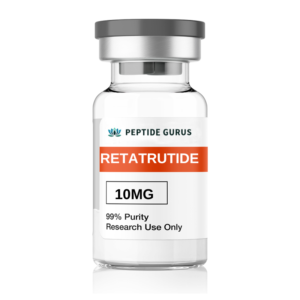
Retatrutide โดดเด่นในฐานะความก้าวหน้าในการปฏิวัติการบําบัดด้วยอินครีติน ซึ่งโดดเด่นด้วยการจําแนกประเภทเป็น GGG triple agonist ซึ่งแตกต่างจากตัวเร่งปฏิกิริยา GLP-1 ทั่วไปที่กําหนดเป้าหมายตัวรับเพียงตัวเดียว Retatrutide จะกระตุ้นตัวรับการเผาผลาญหลักสามตัวพร้อมกัน: GLP-1R (ตัวรับเปปไทด์คล้ายกลูคากอน-1), GIPR (ตัวรับโพลีเปปไทด์อินซูลิโนโทรปิกที่ขึ้นกับกลูโคส) และ GCGR (ตัวรับกลูคากอน) วิธีการหลายเป้าหมายนี้ช่วยให้ Retatrutide สามารถให้ผลเสริมฤทธิ์กัน—ลดความอยากอาหารชะลอการล้างกระเพาะอาหารเพิ่มความไวของอินซูลินและเพิ่มการใช้พลังงาน—ส่งผลให้น้ําหนักลดลงมากถึง 24% ของน้ําหนักตัวทั้งหมดในการทดลองทางคลินิกซึ่งเป็นตัวเลขที่ไม่มีใครเทียบได้กับการรักษาที่มีอยู่มากมาย
จากมุมมองด้านกฎระเบียบ Retatrutide สอดคล้องกับแนวทางปี 2025 ของ FDA สําหรับยาเปปไทด์ระบบที่มีความบริสุทธิ์สูง ซึ่งเน้นมาตรฐานที่เข้มงวดสําหรับการดูดซึม ความเสถียร และความสม่ําเสมอในการผลิต แนวทาง ANDA (Abbreviated New Drug Application) ที่ปรับปรุงใหม่ของ FDA สําหรับผลิตภัณฑ์เปปไทด์ ซึ่งเป็นส่วนหนึ่งของการแก้ไขแนวทางที่วางแผนไว้ 88 รายการในปี 2025 เป็นกรอบการทํางานสําหรับการประเมินประสิทธิภาพทางเภสัชจลนศาสตร์ของ Retatrutide เพื่อให้มั่นใจว่าคุณสมบัติการดูดซึม การกระจาย การเผาผลาญ และการกําจัด (ADME) เป็นไปตามข้อกําหนดด้านความปลอดภัยและประสิทธิภาพของหน่วยงาน สําหรับผู้บริโภค การกํากับดูแลด้านกฎระเบียบนี้แปลเป็นความมั่นใจมากขึ้นในความน่าเชื่อถือและศักยภาพในการรักษาของ Retatrutide
เภสัชจลนศาสตร์ - การศึกษาวิธีที่ร่างกายประมวลผลยา - กําหนดประสิทธิภาพของ Retatrutide ตารางการให้ยา และโปรไฟล์ความปลอดภัย ด้านล่างนี้คือรายละเอียดของลักษณะทางเภสัชจลนศาสตร์ที่สําคัญซึ่งอธิบายทั้งในแง่ทางเทคนิคและภาษาในชีวิตประจําวัน
โปรไฟล์การดูดซึมของ Retatrutide ได้รับการออกแบบทางวิศวกรรมอย่างพิถีพิถันสําหรับการบริหารใต้ผิวหนัง (การฉีดใต้ผิวหนัง) ซึ่งเป็นเส้นทางที่ต้องการสําหรับการบําบัดด้วยเปปไทด์เนื่องจากความสมดุลของการดูดซึมและความสะดวก หลังจากการฉีดเข้าใต้ผิวหนัง Retatrutide จะถูกดูดซึมอย่างค่อยเป็นค่อยไปผ่านหลอดเลือดในท้องถิ่นและระบบน้ําเหลือง เพื่อให้มั่นใจว่าการเข้าสู่กระแสเลือดจะเข้าสู่กระแสเลือดได้อย่างมั่นคงและคาดเดาได้ อัตราการดูดซึมช้านี้ช่วยลดความเข้มข้นของพลาสมาที่แหลมคม ช่วยลดความเสี่ยงของผลข้างเคียง เช่น คลื่นไส้หรือภาวะน้ําตาลในเลือดต่ําที่อาจเกิดขึ้นกับการส่งยาอย่างรวดเร็ว
การปรับเปลี่ยนโครงสร้างที่สําคัญมีส่วนช่วยในการดูดซึมที่เหนือกว่าของ Retatrutide: อะซิเลชันของกรดไขมันช่วยให้จับกับอัลบูมินซึ่งเป็นโปรตีนที่อุดมสมบูรณ์ในเลือดได้อย่างแน่นหนา การผูกมัดนี้ไม่เพียงแต่ปกป้อง Retatrutide จากการย่อยสลายก่อนเวลาอันควร แต่ยังยืดระยะเวลาการดูดซึม ซึ่งนําไปสู่ระดับการรักษาที่ยั่งยืน ข้อมูลทางคลินิกยืนยันว่า Retatrutide มีการดูดซึมที่ดีเยี่ยม พร้อมประสิทธิภาพการดูดซึมที่ตรงตามมาตรฐานปี 2025 ของ FDA สําหรับความเท่าเทียมทางชีวภาพของยาเปปไทด์ สําหรับผู้ใช้ หมายความว่าการฉีดแต่ละครั้งทุกสัปดาห์จะให้ Retatrutide ในปริมาณที่สม่ําเสมอ เพื่อให้มั่นใจได้ถึงการลดน้ําหนักที่เชื่อถือได้และประโยชน์ในการเผาผลาญโดยไม่จําเป็นต้องให้ยาบ่อยๆ
Once absorbed, Retatrutide distributes throughout the body in a pattern that prioritizes its target tissues—adipose tissue (fat cells), pancreatic beta cells, and hepatic tissue (liver). Its molecular size and structure are optimized to minimize off-target effects, ensuring that most of the drug reaches the receptors it was designed to activate. Retatrutide exhibits moderate protein binding (primarily to albumin), a pharmacokinetic trait that stabilizes its plasma concentrations and extends its duration of action.
This targeted distribution is critical to Retatrutide’s efficacy: by concentrating in fat tissue and the liver, it maximizes activation of GCGR, which stimulates fat and glycogen breakdown, and enhances GLP-1R/GIPR signaling in the pancreas to improve insulin sensitivity. From a regulatory standpoint, the FDA’s 2025 guidelines for peptide distribution require that drugs demonstrate predictable tissue penetration without accumulating in non-target organs. Retatrutide’s distribution profile meets these standards, with studies showing minimal accumulation in non-metabolic tissues, supporting its long-term safety.
One of the biggest challenges in peptide therapy is overcoming rapid enzymatic degradation, which limits the half-life of native incretin hormones to minutes. Retatrutide addresses this through strategic molecular modifications that protect it from breakdown by enzymes like dipeptidyl peptidase-4 (DPP-4) and other peptidases. These structural adjustments—including amino acid substitutions at key cleavage sites—enable Retatrutide to resist metabolic degradation far more effectively than natural incretins.
Retatrutide’s metabolism primarily occurs through proteolytic degradation (breakdown by proteins) in the liver and kidneys, processes that are slow and controlled. This gradual metabolism ensures that Retatrutide remains active in the body for an extended period, eliminating the need for daily dosing. The FDA’s 2025 guidelines for peptide metabolism emphasize the importance of stable metabolic pathways to avoid toxic byproducts, and Retatrutide’s metabolism meets these criteria, with degradation products that are safely eliminated from the body without accumulating. For users, this translates to a convenient weekly dosing schedule and consistent therapeutic effects between injections.
Retatrutide’s elimination profile is optimized to balance sustained efficacy and complete clearance. Its half-life—the time it takes for half the drug to be eliminated from the body—is significantly longer than that of traditional GLP-1 agonists, ranging from several days to over a week. This extended half-life is directly attributed to its albumin binding and resistance to enzymatic degradation, allowing for once-weekly administration.
Elimination of Retatrutide primarily occurs through the kidneys and liver, with negligible excretion in unchanged form. Studies show that Retatrutide is cleared from the body efficiently, with no significant accumulation even after long-term use. This aligns with the FDA’s 2025 guidelines for peptide elimination, which require that drugs be cleared sufficiently to prevent toxicity. For users, this means that Retatrutide does not build up in the body over time, reducing the risk of long-term side effects and making it suitable for extended therapy.
เรตาทรูไทด์’s pharmacokinetic properties directly contribute to its clinical superiority, particularly when compared to single-target peptide therapies. Its slow absorption and extended half-life eliminate the need for daily injections, improving patient adherence—a key factor in successful weight management. The balanced plasma concentration profile reduces peak-related side effects, making Retatrutide better tolerated than many existing therapies.
Furthermore, Retatrutide’s targeted distribution and efficient metabolism ensure that its therapeutic effects are focused on metabolic regulation, with minimal off-target activity. This is reflected in clinical trials, where Retatrutide has demonstrated significant weight loss, improved glycemic control, and reduced waist circumference, all while maintaining a favorable safety profile. From a regulatory perspective, these pharmacokinetic advantages position Retatrutide as a model for compliance with the FDA’s 2025 guidelines, which prioritize patient-centric design and therapeutic efficiency.