

• L-Glutathione peptide in eye health protection
L-Glutathione peptide's role in cancer prevention
X
L-Glutathione peptide's role in cancer prevention

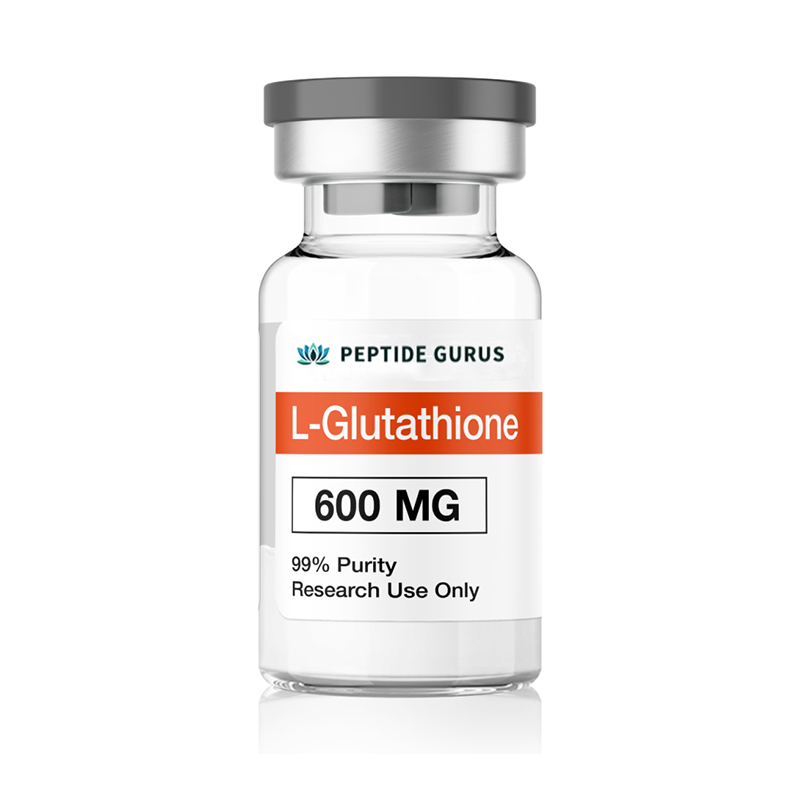
L-Glutatione 600mg

Categorie:,

Contatto per ordine
Scrivici subito per effettuare il tuo ordine con supporto individuale. Scorte limitate! Accettiamo Zelle, CashApp, Venmo, bonifici bancari e criptovalute.
Disponibilità:Spedisci oggi se ordinato e pagatoEntro le 12:00 PST. (Except Saturdays & Sundays)

Spedizione gratuita per gli ordini$ 200

Acqua batteriostatica

Acqua batteriostatica libera (1) da 30 ml
con ordini qualificati$ 500 USD. (Esclude prodotti capsule, peptidi cosmetici, codici promozionali e spedizione)

Il glutatione è un potente antiossidante e regolatore di una serie di processi biochimici. È abbondante nei tessuti umani, ma soggetto a declino con l'invecchiamento. La ricerca mostra che il glutatione può aiutare a ridurre le malattie neurodegenerative, promuovere la salute della cartilagine, proteggere i cambiamenti legati all'età negli occhi, migliorare la funzione immunitaria e mantenere una pelle più giovane. Nel complesso, ci sono prove solide che il glutatione è un potente composto anti-invecchiamento con ampi benefici immunitari e di salute.
Utilizzo del prodotto:Questo prodotto è inteso solo come chimica di ricerca.Questa designazione consente l'uso di sostanze chimiche di ricerca rigorosamente solo per test in vitro e sperimentazione di laboratorio. Tutte le informazioni sul prodotto disponibili su questo sito Web sono solo a scopo educativo. L'introduzione corporea di qualsiasi tipo nell'uomo o negli animali è severamente vietata dalla legge. Questo prodotto dovrebbe essere gestito solo da professionisti autorizzati e qualificati. Questo prodotto non è un farmaco, un cibo o un cosmetico e potrebbe non essere maltrattato, utilizzato in modo improprio o erroneamente come droga, cibo o cosmetici.

L-Glutathione

L-Glutathione is a short peptide composed of just cysteine, glutamate, and glycine. It occurs naturally throughout the body and acts primarily as an antioxidant and as a supportive agent to a number of processes in the central nervous system. Glutathione is especially important in the detoxification processes of the liver and as a free-radical scavenger in the brain. There is ample evidence to suggest that loss of glutathione can contribute to neurodegenerative diseases like Parkinson’s disease as well as diseases of the eye like cataracts and diabetic retinopathy. Reduced glutathione levels are thought to be both a consequence of aging as well as a contributor to the aging process. Chronic disease also reduces glutathione levels. Oral glutathione supplementation appears to be ineffective due to the breakdown of the peptide in the gastrointestinal system. Though much is made of oral supplementation with glutathione precursors like N-acetyl cysteine (NAC), research shows that glutathione levels tend to decrease with age due to a loss of production capacity (usually starting around middle age). This loss of production capacity, of course, limits the effectiveness of NAC and other precursors to generate glutathione. The best evidence indicates that glutathione is most effective when injected or inhaled via nasal preparations.

Struttura a L-Glutathione

Formula molecolare:C10H17N3O6SPeso molecolare:307.33 g/molPubchem cid: 124886 CAS NO:170-18-8Nomi alternativi:Glutatione, Isettion, GSHMoleculeFonte:Pubch

Il glutatione è un antiossidante

L-Glutathione has long been recognized as one of the most important low-molecular weight antioxidants synthesized by cells of the body. By virtue of the sulfur contained in the cysteine component of GSH, it is able to remove potent free radicals, such as peroxides, nitrogen dioxide, HOCl, and a multitude of other toxins, from the body. It does this through a basic redox reaction, thus protecting cells, DNA, and extracellular matrix components from the damage done by free radicals. Glutathione not only neutralizes free radicals directly, but assists other antioxidants, such as vitamins C and E, in their roles as antioxidants[1]. Glutathione is found both inside cells and as a secreted substance in the extracellular matrix. It is found in very high levels in lung tissue, the brain, and the liver. It is synthesized in humans via a simple redox reaction as follows.De novo biosynthesis of GSHFonte:PubMedIl glutatione è così importante nel corpo umano che la carenza è stata associata a una vasta gamma di malattie come diabete, HIV, cancro e persino tubercolosi. La ricerca suggerisce che i livelli di glutatione possono essere un importante marcatore di gravità e progressione della malattia. La misurazione del glutatione può offrire ai medici un mezzo più quantitativo per valutare la prognosi e contribuire a determinare l'efficacia e i tempi di vari interventi [2]. Nonostante la comprensione del ruolo del glutatione nell'invecchiamento e nelle malattie, non è stato stabilito alcun mezzo di routine per misurare e valutare i livelli di glutatione. I ricercatori stanno ora esaminando come la misurazione di questo semplice peptide possa fornire una visione critica di tutto, dalla salute generale all'efficacia di trattamenti specifici nelle malattie. Nel prossimo futuro, la misurazione dei livelli di glutatione può essere all'ordine del giorno e utile quanto la misurazione di cose come pressione sanguigna, colesterolo e livelli di zucchero nel sangue.

Ruoli biologici di L-Glutathione

While glutathione is best known for its antioxidant functions, the peptide does play other roles in the human body. It is an important, indeed required, molecule in the production of leukotrienes (inflammatory mediators) and prostaglandins. This makes it a potent regulator of certain immune responses as well as the inflammatory cascade. It is also a cofactor in a number of biochemical reactions and enhances the function of citrulline in the nitric oxide cycle. In other words, glutathione is an essential component of cellular metabolism and particularly important in regulating blood pressure and cardiac health. Glutathione is also critical to proper protein folding in the endoplasmic reticulum. Research shows that glutathione helps proteins to fold into the correct 3D shape to bind to receptors and function normally. It is particularly important in the formation of disulfide bonds. Though it is not the only mechanism that cells harbor to promote proper protein folding, glutathione is an important aspect of this cellular function and thus contributes heavily to the proper functioning of cells[3], [4]. There is currently some debate as to whether glutathione acts a neurotransmitter. It certainly modulates the redox states of things like the NMDA receptor (a function that would make it a neuromodulator). It also appears to activate ionotropic receptors as well as the purinergic P2X7 receptor on Muller cells. Muller cells are found in the retina where they maintain the structure and function of retinal cells. This includes the regulation of neurotransmitter levels. This, again, suggests that even if glutathione is not a neurotransmitter, it plays an important role in the regulation of neurotransmitters[5]. The world’s foremost expert on glutathione is Dr. Nayan Patel. In 2020 he wrote a book entitledLa rivoluzione del glutationein cui discute i benefici e la sicurezza della supplementazione del glutatione. Paragona l'ossidazione nel corpo alla ruggine, un'analogia appropriata se mai ce n'era una. Il glutatione è la principale prevenzione della ruggine del corpo, allontanando tutte le conseguenze negative dell'ossidazione nel corpo nello stesso modo in cui la corretta cura della tua auto si allontana dalla ruggine e gli effetti dannosi che ha su tutto. Secondo il Dr. Patel, i livelli di glutatione diminuiscono di circa il 20% dopo i 40 anni, preparandoci a scarse prestazioni, aumento del rischio di malattia e invecchiamento accelerato. L'unico modo per superare questo deficit è attraverso l'integrazione.

Una nota sull'amministrazione del glutatione

Research shows that glutathione is not well absorbed from dietary sources or as a result of oral intake. It is thought that enzymes in the GI tract may break it apart before it can be absorbed. There is some evidence to suggest that curcumin, N-acetyl cysteine, and certain components of foods like broccoli and spinach may help to boost glutathione levels by providing more precursors for its synthesis or by directly upregulating the process of synthesis itself. Unfortunately, there is limited evidence to support the above options as being the optimal way to increase glutathione. While they do increase glutathione levels to some extent, the magnitude of their effect appears to be limited primarily because they cannot overcome the decrease in GSH levels that results from the loss of synthetic capacity. Research suggests that the only reliable way to significantly alter glutathione levels is to inject the peptide or to inhale it. Dr. Nayan Patel has developed a transdermal delivery system for glutathione, but it is not yet widely used.

L-glutathione e invecchiamento

Oxidative damage to cells is one of the leading components of both the visual signs of aging as well as aging processes like senescence (cellular/tissue aging), hormonal aging, metabolic aging, and DNA damage that led to both disease and dysfunction. Given the importance of glutathione in fighting against oxidative damage, it should come as no surprise that the peptide is critical to reducing the effects of aging. Of course, glutathione itself, as discussed, is subject to the effects of aging. With age comes a decrease in the capacity of most mammals to synthesize glutathione. Fortunately, supplementation is possible. Research, shows, however, that the best forms of glutathione supplementation are either injecting the peptide or inhaling it through a nasal preparation. Injection provides for the easiest administration of large doses of glutathione is the method most commonly used in research studies.Oxidative StressFonte:ResearchGateThe graph above looks at ROS or free radical levels as a result of glutathione levels in standard mice versus mice that have been genetically modified to be prone to Alzheimer’s disease (AD). This reveals two things about glutathione. First, it shows that AD has an oxidative component. That is to say, it appears that at least part of the risk of developing AD comes down to defective eradication of free radicals in the central nervous system. The second thing that this graph shows is the increase in free radicals that occurs following a reduction in glutathione levels. Note that glutathione reduction occurs at roughly middle age and that the increase in free radicals is delayed but obvious. This same pattern has been shown to hold in humans. Somewhere between the ages of 30 and 40 our glutathione levels begin to drop. This is followed, after a delay of 5-10 years, but an increase in free radical levels. It is thought that this accounts for many of the aspects of aging that seem to accelerate at around age 50.

Glutatione e cancro

When it comes to cancer, glutathione appears to be both friend and foe. In the treatment of cancer, glutathione actually protects cancer cells from the effects of chemotherapy, scavenging them just as it would any other toxin or free radical. There is ongoing work to determine if it is possible to selectively reduce glutathione in tumor cells, thus making them more susceptible to chemotherapy[6]. Even though it was previously stated that oral glutathione supplementation is not very effective, research does suggest that it works in some settings. One of those settings is in preventing the development of skin cancer as a result of exposure to UV light. Studies in rats show that oral glutathione supplementation significantly reduces the risk of developing skin cancer following exposure to UV light[7]. This would suggest that, in addition to sunscreen, simply taking glutathione by mouth could be useful when out in the sun. The question remains if injection of the peptide would provide even greater protective effects. The role of glutathione in cancer is complex because, as pointed out, it has both beneficial and pathogenic functions. It is best to think of glutathione as being beneficial inprevenzionecancro ma problematico quandoTrattamentocancer. For instance, glutathione is critical in the removal and detoxification of carcinogens. Nowhere is this more evident than the lungs of smokers, where glutathione is depleted as it works overtime to remove nitrogen compounds from cigarette smoke. In this setting, glutathione supplementation can help to prevent the development of cancer. Once cancer develops, however, glutathione can promote tumor progression. In this setting, supplementation actually promotes metastasis but removing toxins that the body produces in an effort to kill cancer cells[8], [9]. In short, glutathione function is complex and context dependent. Scientists are actively working to understand how to best leverage glutathione to provide the best possible outcomes. What is clear, it seems, is that people who make efforts to avoid carcinogens and “live clean” probably benefit from the antioxidant effects of glutathione.

L-glutatone e il cervello

La riduzione dei livelli di glutatione è associata ai segni comuni di invecchiamento e ai disturbi più gravi come la malattia neurodegenerativa. In particolare, la patologia del glutatione svolge un ruolo importante e forse fondamentale nell'inizio della malattia di Parkinson (PD). Una nuova ricerca indica che il glutatione è un potente mediatore di un processo chiamato morte cellulare o ferroptosi dipendente dal ferro. Senza glutatione, questo tipo di morte cellulare programmata è incontrollata nelle cellule del sistema nervoso centrale, causando invecchiamento prematuro e contribuendo allo sviluppo della malattia neurodegenerativa. Ricerche abbondanti mostrano che l'integrazione con glutatione o suoi precursori (ad esempio n-acetil cisteina) è particolarmente utile per compensare l'invecchiamento neurologico [10].The basic mechanism of ferroptotic cell deathFonte:PubMedThe role of glutathione in the brain is also made obvious by the decline in glutathione levels with age. Research shows that while glutathione levels decline throughout the body with age, a result of a diminished capacity for production, levels decline most dramatically in the brain. This makes the brain more susceptible to both Parkinson’s disease and damage following stroke or other insult[11]. The decline in glutathione levels in the brain is particularly critical in times of stress. Mild stress normally induces an increase in glutathione production to protect against more severe stress, but the decline in synthetic capacity with age erodes this response. Thus, the older we get, the more susceptible we are to stress-induced neuronal damage. Offsetting this with N-acetyl cysteine supplementation is only partially effective because the synthetic machinery itself is compromised with age. Thus, research suggests that directly injecting (or inhaling) glutathione is the best way to boost levels of this antioxidant and prevent stress-related damage to the central nervous system.

L-glutatone e l'occhio

Perhaps the best-known role of glutathione is in the retina of the eye where it acts both as an antioxidant and as a supportive agent to Muller cells. Muller cells are cells within the retina that support the health and function of retinal neurons. Mujller cells, also called Muller glia, mediate acetylcholine and GABA neurotransmitter degradation, help to funnel light to retinal cells, and maintain the nutrient supply and waste removal of retinal cells. They are critical to eyesight and the long-term health of the retina, protecting the eye against everything from viral infection to diabetic retinopathy[12]. Glutathione is also an important component of lens health where it maintains protein thiols in their reduced state and thus maintains the normal light-scattering properties of the eye. A reduction in glutathione levels in the lens has been associated with cataract formation as well as changes in the permeability of the lens that make it harder for nutrient exchange to occur[13], [14]. Research shows that glutathione plays a critical role in protecting visual acuity and supporting retinal health. Combined with other anti-oxidants, research in animal models shows that glutathione supplementation (in this case delivered in the form of eye drops) can reduce oxidative stress in the eye and slow the typical changes that occur with aging such as cataracts and loss of visual acuity[15]. Supplementation with glutathione thus appears to support long-term health of all aspects of the eye including the retina, lens, and cornea. Research suggests that glutathione may help to ward off both ocular diseases as well as the “normal” effects of aging on the eye. Researchers are currently working on a topical (i.e., drop-based) delivery system for direct delivering of the peptide to the eye, but injected and inhaled glutathione likely provide benefit to the eye as well.

Salute della L-Glutathione e della cartilagine

Una delle cause sottostanti dell'osteoartrite (artrite da usura) è l'incapacità delle cellule che mantengono la salute della cartilagine per adattarsi allo stress. La ricerca mostra che il glutatione svolge un ruolo importante in questo processo. È interessante notare che l'integrazione non è l'unico mezzo per massimizzare la funzione di glutatione nella cartilagine. In effetti, la ricerca nelle mucche indica che l'integrazione è solo una parte della risposta alla cartilagine sana. L'altra parte della risposta è scaricare la cartilagine. In altre parole, le articolazioni a riposo sono fondamentali per aumentare i livelli di glutatione al loro interno. La migliore ricerca indica che indurre lo stress ossidante, come attraverso un attento esercizio fisico, seguito da un adeguato riposo aumenta i livelli di glutatione nelle nostre articolazioni e ritarda il processo di invecchiamento nella cartilagine [16].

L-glutathione e pelle

La ricerca mostra che l'integrazione di glutatione è utile nel ridurre i segni esteriori dell'invecchiamento, in particolare nella pelle. Una dose moderata di glutatione, data in 12 settimane, ha dimostrato di ridurre la comparsa di rughe, migliorare l'elasticità della pelle e ridurre la foto-invecchiamento. L'integrazione porta a un minor numero di punti di età e una pelle complessiva "più chiara" a causa della riduzione della sintesi di melanina [17], [18]. La ridotta sintesi di melanina come contribuisce anche a una riduzione dell'incidenza del cancro della pelle.

Glutatione e sistema immunitario

The immune system is exceptionally sensitive to glutathione levels. What is interesting is that there is little evidence to suggest that glutathione supplementation is beneficial in health, but ample evidence to suggest a massive benefit in the setting of disease. For instance, glutathione supplementation (or NAC supplementation) has been shown to significantly boost immune function in individuals with HIV[19]. This odd function of glutathione has prompted some people to suggest that supplementing during times of health is either pointless or even detrimental to the immune system. This isnonwhat the research shows. Rather, it is better to think of it this way. Glutathione supplementation has no apparent effect on the immune system in health, but it does benefit in the setting of disease, even in the setting of simple viral illnesses. Thus, supplementing is of net benefit because we never know when we are going to catch a cold and being “stocked up” on glutathione puts our immune system in the best position to respond to infection. The reason for this odd behavior likely comes down to the fact that the immune system is relatively quiescent when we are well but ramps up production of disease-fighting cells and antibodies very rapidly in response to disease. Thus, the immune system is doing very little work and thus requires very little antioxidant capacity when it is at rest. When disease presents itself, however, the immune system requires vast amounts of antioxidant capacity and thus benefits substantially from higher levels of glutathione. In fact, supplementation with glutathione does appear to elevate storage levels and provide a kind of bugger against disease. A pilot study of liposomal glutathione in humans found that supplementation increases stores of glutathione. This, in turn, improves the function of natural killer cells (which are surveillance cells that help to ward off disease) and increases the ability of lymphocytes to proliferate[20]. In other words, glutathione supplementation during good health primes the immune system for a robust response when it is confronted with a challenge.

Sommario di L-Glutathione

Glutathione is a potent anti-oxidant and regulator of a number of biochemical processes. It is abundant in human tissues, but subject to decline with aging. Research shows that glutathione can help to reduce neurodegenerative disease, promote cartilage health, ward off age-related changes in the eye, improve immune function, and maintain more youthful skin. Overall, there is robust evidence that glutathione is a potent anti-aging compound with extensive immune and health benefits. Glutathione exhibits minimal side effects, low oral and excellent subcutaneous bioavailability in mice. Per kg dosage in mice does not scale to humans. Glutathione for sale at
Guru peptidiciè limitato solo alla ricerca educativa e scientifica, non per il consumo umano. Acquista il glutatione solo se sei un ricercatore autorizzato.
La letteratura di cui sopra è stata studiata, modificata e organizzata dal Dr. E. Logan, M.D. Dr. E. Logan ha conseguito una laurea in dottoratoCase Western Reserve University School of Medicinee un B.S. in biologia molecolare.

Autore della rivista scientifica

Nayan Patel, Pharm.Dis globally regarded as the foremost go-to expert on absorbable forms of glutathione, and holds the only patent on transdermal glutathione. Patel is an internationally renowned educator, consultant, lecturer, and leading expert on the “master antioxidant” glutathione. In addition to many other topics such as cellular function and hormone replacement, Patel is a highly sought after global authority on the critical role in that glutathione, and all other antioxidants and endogenous molecules play in the body. Along with traveling the world educating practitioners on advanced biochemistry and anti-aging science, Dr. Patel also serves as adjunct faculty at the University of Southern California School of Pharmacy where he is also an alumnus.He is also co-inventor of a revolutionary patented technologythat delivers glutathione through the water channels of the skin, via a sub-nano molecular delivery mechanism. Until now, the lack of an effective way of delivering glutathione into our bodies has kept glutathione from being accessible to most of the world. This new discovery helped solidify Patel’s standing as a true stand out in the arena of cutting edge knowledge surrounding Glutathione. Dr. Nayan Patel is being referenced as one of the leading scientists involved in the research and development of Glutathione. In no way is this doctor/scientist endorsing or advocating the purchase, sale, or use of this product for any reason. There is no affiliation or relationship, implied or otherwise, between
Guru peptidicie questo dottore. Lo scopo di citare il medico è di riconoscere, riconoscere e accreditare gli sforzi esaustivi di ricerca e sviluppo condotti dagli scienziati che studiano questo peptide.

Citazioni di riferimento

    H. J. Forman, H. Zhang, and A. Rinna, “Glutathione: overview of its protective roles, measurement, and biosynthesis,”Mol. Aspects Med., vol. 30, no. 1–2, pp. 1–12, Apr. 2009, doi: 10.1016/j.mam.2008.08.006. G. Teskeyet al., “Glutathione as a Marker for Human Disease,”Adv. Clin. Chem., vol. 87, pp. 141–159, 2018, doi: 10.1016/bs.acc.2018.07.004. S. Tsunodaet al., “Intact protein folding in the glutathione-depleted endoplasmic reticulum implicates alternative protein thiol reductants,”eLife, vol. 3, p. e03421, Jul. 2014, doi: 10.7554/eLife.03421. D. A. Hudson, S. A. Gannon, and C. Thorpe, “Oxidative protein folding: from thiol-disulfide exchange reactions to the redox poise of the endoplasmic reticulum,”Free Radic. Biol. Med., vol. 80, pp. 171–182, Mar. 2015, doi: 10.1016/j.freeradbiomed.2014.07.037. H. R. Freitas and R. A. de M. Reis, “Glutathione induces GABA release through P2X7R activation on Müller glia,”Neurogenesis, vol. 4, no. 1, p. e1283188, Feb. 2017, doi: 10.1080/23262133.2017.1283188. J. H. Wu and G. Batist, “Glutathione and glutathione analogues; therapeutic potentials,”Biochim. Biophys. Acta, vol. 1830, no. 5, pp. 3350–3353, May 2013, doi: 10.1016/j.bbagen.2012.11.016. T. S. Nagapan, W. N. Lim, D. F. Basri, and A. R. Ghazali, “Oral supplementation of L-glutathione prevents ultraviolet B-induced melanogenesis and oxidative stress in BALB/c mice,”Exp. Anim., vol. 68, no. 4, pp. 541–548, Nov. 2019, doi: 10.1538/expanim.19-0017. A. Bansal and M. C. Simon, “Glutathione metabolism in cancer progression and treatment resistance,”J. Cell Biol., vol. 217, no. 7, pp. 2291–2298, Jul. 2018, doi: 10.1083/jcb.201804161. N. Traversoet al., “Role of glutathione in cancer progression and chemoresistance,”Oxid. Med. Cell. Longev., vol. 2013, p. 972913, 2013, doi: 10.1155/2013/972913. T. Homma and J. Fujii, “Application of Glutathione as Anti-Oxidative and Anti-Aging Drugs,”Curr. Drug Metab., vol. 16, no. 7, pp. 560–571, 2015, doi: 10.2174/1389200216666151015114515. P. Maher, “The effects of stress and aging on glutathione metabolism,”Ageing Res. Rev., vol. 4, no. 2, pp. 288–314, May 2005, doi: 10.1016/j.arr.2005.02.005. E. Ganea and J. J. Harding, “Glutathione-related enzymes and the eye,”Curr. Eye Res., vol. 31, no. 1, pp. 1–11, Jan. 2006, doi: 10.1080/02713680500477347. V. N. Reddy, “Glutathione and its function in the lens–an overview,”Exp. Eye Res., vol. 50, no. 6, pp. 771–778, Jun. 1990, doi: 10.1016/0014-4835(90)90127-g. V. N. Reddy and F. J. Giblin, “Metabolism and function of glutathione in the lens,”Ciba Found. Symp., vol. 106, pp. 65–87, 1984, doi: 10.1002/9780470720875.ch5. M. A. Babizhayev, “New concept in nutrition for the maintenance of the aging eye redox regulation and therapeutic treatment of cataract disease; synergism of natural antioxidant imidazole-containing amino acid-based compounds, chaperone, and glutathione boosting agents: a systemic perspective on aging and longevity emerged from studies in humans,”Am. J. Ther., vol. 17, no. 4, pp. 373–389, Aug. 2010, doi: 10.1097/MJT.0b013e3181d6b6c3. S. Zhu, D. Makosa, B. F. Miller, and T. M. Griffin, “Glutathione as a Mediator of Cartilage Oxidative Stress Resistance and Resilience During Aging and Osteoarthritis,”Connect. Tissue Res., vol. 61, no. 1, pp. 34–47, Jan. 2020, doi: 10.1080/03008207.2019.1665035. S. Weschawalit, S. Thongthip, P. Phutrakool, and P. Asawanonda, “Glutathione and its antiaging and antimelanogenic effects,”Clin. Cosmet. Investig. Dermatol., vol. 10, pp. 147–153, 2017, doi: 10.2147/CCID.S128339. W. Dilokthornsakul, T. Dhippayom, and P. Dilokthornsakul, “The clinical effect of glutathione on skin color and other related skin conditions: A systematic review,”J. Cosmet. Dermatol., vol. 18, no. 3, pp. 728–737, Jun. 2019, doi: 10.1111/jocd.12910. W. Dröge and R. Breitkreutz, “Glutathione and immune function,”Proc. Nutr. Soc., vol. 59, no. 4, pp. 595–600, Nov. 2000, doi: 10.1017/s0029665100000847. R. Sinhaet al., “Oral supplementation with liposomal glutathione elevates body stores of glutathione and markers of immune function,”Eur. J. Clin. Nutr., vol. 72, no. 1, pp. 105–111, Jan. 2018, doi: 10.1038/ejcn.2017.132.
Tutti gli articoli e le informazioni sul prodotto fornite su questo sito Web sono solo a scopo informativo ed educativo.I prodotti offerti su questo sito Web sono forniti solo per studi in vitro. Studi in vitro (latino: in vetro) vengono eseguiti al di fuori del corpo. Questi prodotti non sono medicinali o farmaci e non sono stati approvati dalla FDA per prevenire, trattare o curare qualsiasi condizione medica, disturbo o malattia. L'introduzione corporea di qualsiasi tipo nell'uomo o negli animali è severamente vietata dalla legge.

Richiesta di indagine

Chi siamo

Peptidegurus è un fornitore leader di peptidi di ricerca di fabbricazione americana, che offre prodotti di alta qualità a prezzi competitivi. Con un focus sull'eccellenza e il servizio clienti, assicurano un processo di ordinazione sicuro e conveniente con la spedizione globale.

Richiedere un preventivo

  • Guru peptidici
  • info@peptidegurus.com
  • Glendale, è, USA
  • CONTATTO

    Richiesta di indagine