SS-31とは何ですか?
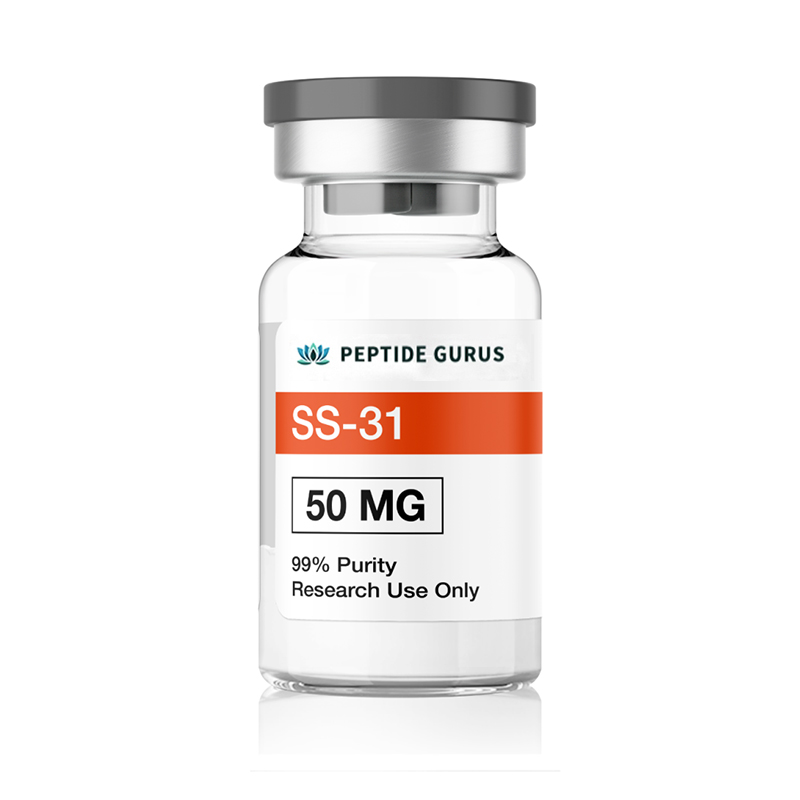
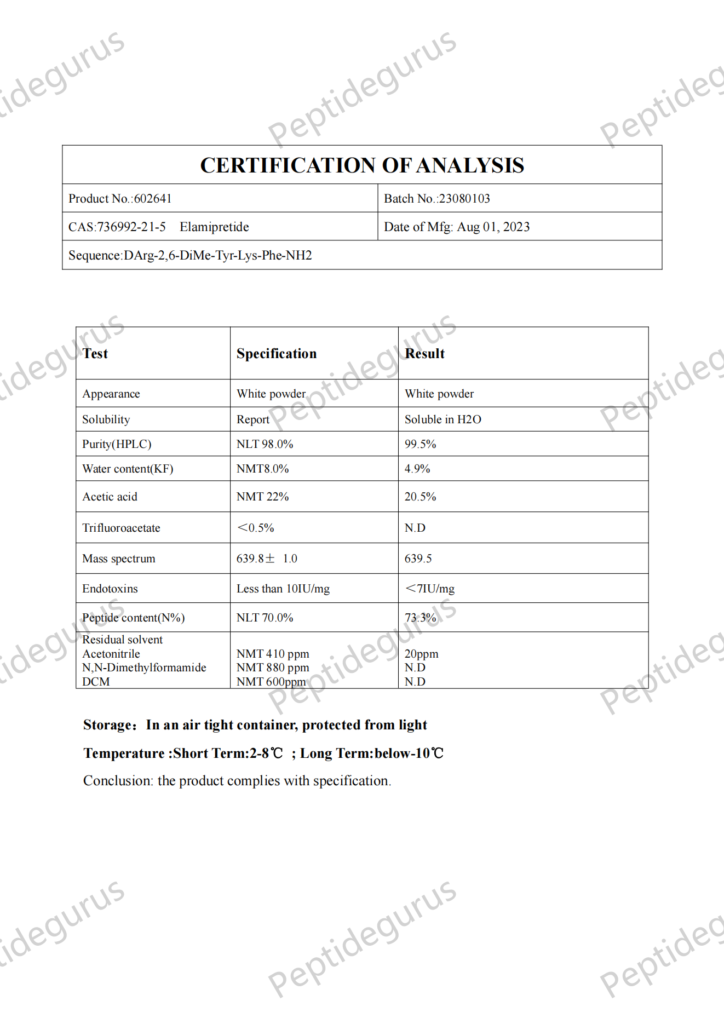
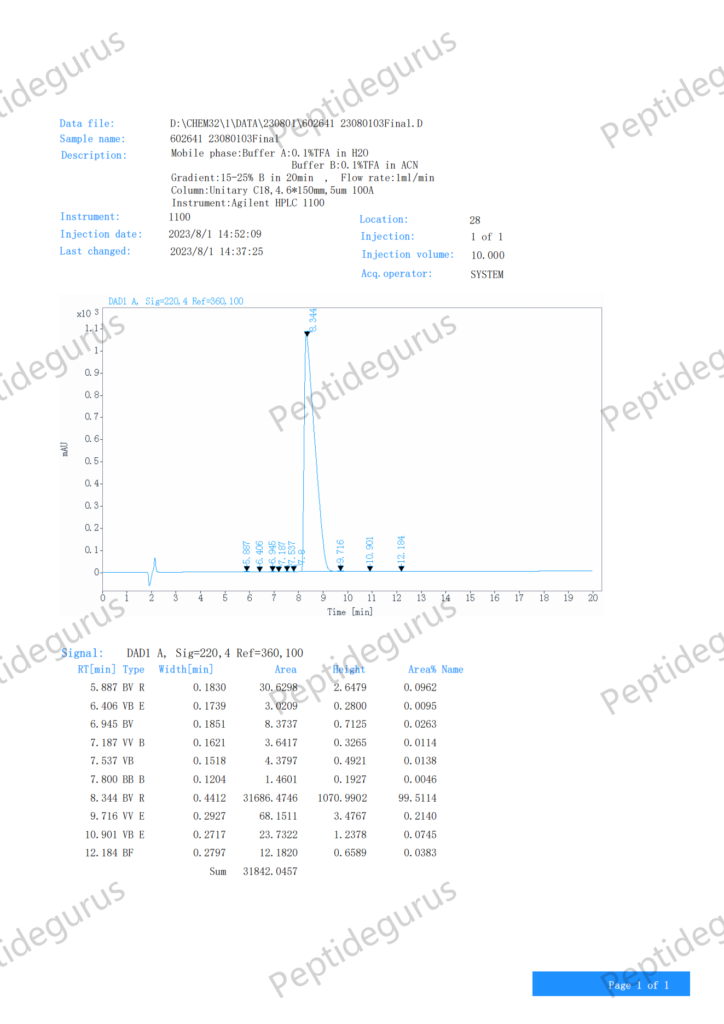
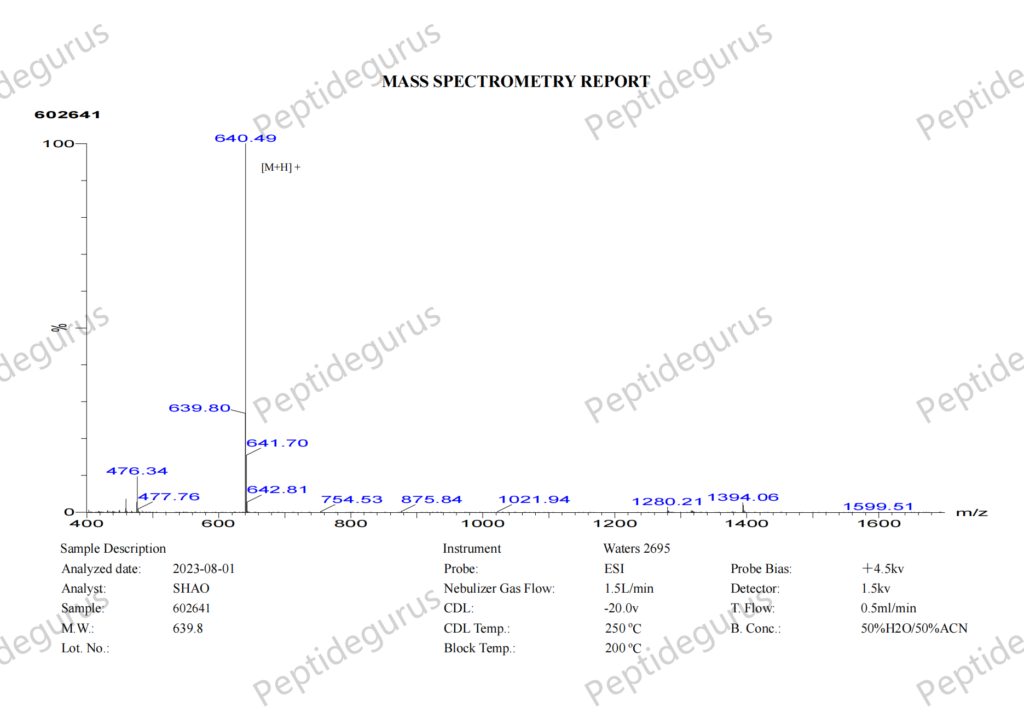
SS-31 (elamipretide) is a small, aromatic peptide that easily penetrates cell and organelle membranes.It is thought to interfere with the production of reactive oxygen species (ROS or free radicals) and promote energy production in cells by stabilizing the enzyme cardiolipin within mitochondria. Cardiolipin is part of the inner mitochondrial membrane where it acts as a fundamental component of the electron transport chain, the machinery by which most energy need for cellular functioning is produced.
Dysfunction of cardiolipin has been implicated as contributing to the pathology of a number of diseases including Alzheimer’s disease, Parkinson’s disease, nonalcoholic fatty liver disease, diabetes, heart failure, HIV, cancer, chronic fatigue syndrome, and more. Cardiolipin is thought to be a major component of mitochondrial myopathy, which isn’t a single disease but rather is a group of neuromuscular disorders caused by damage to mitochondria. Mitochondrial myopathy is characterized by everything from muscle weakness and exercise intolerance to heart failure, seizures, and dementia. SS-31 is the first peptide to ever undergo clinical trials as a potential treatment for mitochondrial myopathy.
ミトコンドリアの改善
Primary mitochondrial diseases (PMDs) are among the most common inherited conditions in the world. They are caused by dysfunction in the energy-producing apparatus of mitochondria. Symptoms vary greatly between forms of the disease, but the most susceptible organ systems are those with high energy demands (e.g. nervous system, heart, kidney, etc.). Muscle involvement and exercise intolerance are almost universal in mitochondrial disorders. Common symptoms include easy fatigue, exercise intolerance, and seizures.
PMDs, and mitochondrial diseases in general, are primarily characterized by disturbances in the production of ATP. ATP acts as the energy currency of the cell and is necessary to almost every cell function. Stabilizing ATP production in the setting of mitochondrial disease has long been a goal of the medical profession. With the development of SS-31, that goal may final have been realized.
The first evidence that SS-31 could restore energy production in PMDs came from animal studies. In that research, rats who had suffered ischemia-perfusion injury (a non-genetic cause of mitochondrial disease) of the kidney were given SS-31. The peptide protected kidney structure, accelerated recovery of ATP production, and reduced cell death and necrosis within the kidney[1]. Subsequent studies in mice showed that SS-31 interacted with cardiolipin in the inner mitochondria membrane and revealed that the peptide could reduce symptoms of mitochondrial disease regardless of etiology. There is also evidence that it can improve mitochondrial dysfunction that results from age[2]–[4]. From these findings, it was relatively simple to convince the FDA to grant orphan drug status to SS-31 and pave the way to clinical trials.
In phase II trials in humans, SS-31 increased exercise performance after just 5 days of treatment and showed no safety concerns or prominent side effects[5]. Unfortunately, phase III trials failed to produce convincing evidence of SS-31’s clinical utility[6]. That said, there is good reason to believe that the trial endpoints simply weren’t appropriate and that additional work will result in the peptide being approved for the treatment of certain mitochondrial conditions. According to Dr. Bruce Cohen, director of the Neurodevelopment Science Center at Akron Children’s Hospital, the results for prior phase II clinical trials were very encouraging and so it is not time to give up. Rather, he notes, SS-31 should spur interest in this particular area and bring other big pharma research to the table[7]. It appears that that is already happening as the company that first brought SS-31 to clinical trials is planning to move forward with trials of a derivative of SS-31 as well as trials investigating other endpoints for SS-31 treatment[6].
As of right now, SS-31 is being tested in a number of different human diseases and under a number of different trial models. The peptide is considered safe to use in humans, so it can also be prescribed by doctors under compassionate care exceptions to patients who have no other treatment options. The peptide will likely become part of mainstream medical care for a number of conditions in the near future, but even now it is available to people who need it while clinical trial work is ongoing.虚血
Perhaps the most compelling secondary application of SS-31 is in the treatment of heart failure. It has long been known that heart failure causes negative changes to the function of mitochondria and that these changes, in a kind of destructive cycle, cause heart failure to worsen. Research in human heart tissue treated with SS-31 shows significant improvements in mitochondrial oxygen flux and activity of specific components involved in the production of ATP. This particular study was carried out in a manner that precluded cardiolipin restructuring, however, suggesting that SS-31 may have a second mechanism of action on mitochondrial function that needs to be explored[4]. This finding has actually been replicated in a number of research studies, strengthening the idea that SS-31 is not just useful for restoring ATP production via cardiolipin interaction. The peptide is actively being investigated for its ability to alter the production of reactive oxygen species and improve mitochondrial function in both acute and chronic use situations.
Studies in dogs, for instance, show that chronic treatment with SS-31 can improve left ventricular function in the setting of advanced heart failure. Measures of mitochondrial respiration and maximum ATP synthesis correlated well in this study with overall improvement in left ventricular function implying that SS-31 could be an effective long-term treatment for improving energy dynamics and reducing cardiac remodeling in advanced heart failure[8].
Trials exploring the use of SS-31 in ST-segment elevation myocardial infarction (heart attack) found that the peptide can drastically reduce levels of HtrA2. HtrA2 is a measure of cardiomyocyte apoptosis. These results suggest that SS-31 may be useful in the context of acute heart attack to reduce the extent of injury and preserve cardiac tissue[9].
One role of mitochondrial-targeted therapy in heart failure: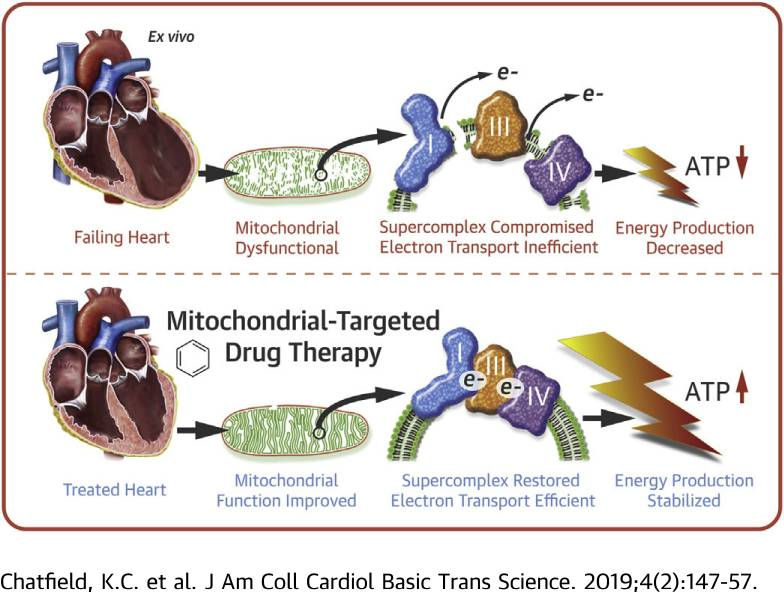 ソース:パブ
糖尿病
糖尿病は、インスリン分泌または機能における単純な不十分さによって一見引き起こされますが、複数の病態生理学的症状を伴う複雑な状態です。近年、疾患の病因、特に2型糖尿病におけるミトコンドリア障害の役割に関心が高まっています。したがって、ミトコンドリア機能障害の治療は、小さな血管への酸化的損傷などの糖尿病の長期的な結果のいくつかを改善する方法です。 SS-31を考慮した人間の研究では、活性酸素種の産生の著しい減少が観察されました。これは、SS-31がミトコンドリア機能障害に通常伴う酸化的損傷を減らすのに役立つことを示唆しているため、2型糖尿病の微小血管疾患の進行を遅くまたは停止する可能性があります。この仮説は、同じ研究で、SS-31がSIRT1のレベルを増加させるという発見によってさらに確認されています。 SIRT1レベルは、2型糖尿病のインスリン感受性の改善と炎症の減少に関連しています[10]。炎症を軽減します
A theme throughout the sections above is inflammation and the ability of SS-31 to reduce it. In particular, SS-31 appears to be a potent regulator of reactive oxygen species (free radicals) and thus helps to reduce the serious oxidative stress that arises from long-term illness such as diabetes, heart disease, and more. Research in cell cultures suggests that SS-31 reduces inflammation and oxidative stress by reducing expression of FIS1[11]. FIS1 is a mitochondrial protein that is important for mitochondrial growth and division. Elevated levels of FIS1 have been observed in a number of neurodegenerative diseases as well as a variety of cancers and are thought to be evidence of dysfunctional mitochondrial division secondary to dysfunction and inflammation.
There is also good evidence from mouse models to show that SS-31 reduces levels of the inflammatory cytokine CD-36, reduces expression of activated MnSOD, suppresses NADPH oxidase function, and inhibits NF-kappaB p65[12]. All of these are markers of high oxidative stress, so reducing their levels is indicative of reduced free radical production and an improved inflammatory status in the cell. NF-kappaB expression, in particular, is heavily associated with cellular inflammation and is chronically active in a number of inflammatory diseases like rheumatoid arthritis and inflammatory bowel disease. With SS-31, mitochondria do not undergo inflammasome activation, which is to say they don’t convert from the primary production of ATP to primarily producing ROS.
Inflammasome activation is avoided and normal mitochondrial function is preserved in the setting of SS-31 administration: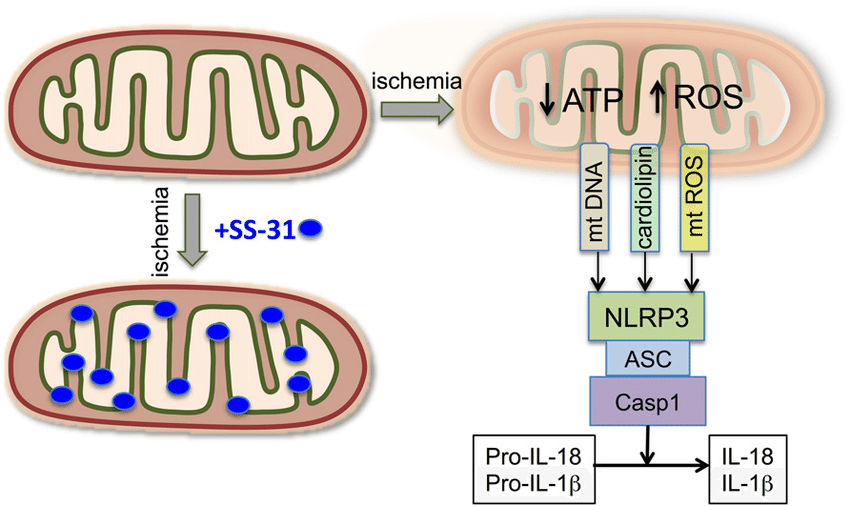 ソース:ResearchGate
SS-31要約
SS-31は、ミトコンドリア疾患の環境でミトコンドリア機能を調節すると考えられているため、元々関心がありましたが、ペプチドがミトコンドリア誘発性炎症を調節できるという良い証拠もあります。 SS-31を使用してミトコンドリア機能を改善し、ATP合成を介したエネルギーの全体的な生成に多くの積極的な関心があります。初期フェーズIIIの試験は成功していませんでしたが、これはペプチドが効果を発揮する真の故障とは対照的に測定されたエンドポイントの結果である可能性があると考えられています。現在、さまざまな異なる疾患状態でSS-31をテストし、さまざまな異なる結果測定を行うための、進行中の第II相試験と計画III試験があります。 SS-31は、さまざまな疾患におけるミトコンドリア機能障害を理解するための鍵を非常によく提供する可能性があり、したがって、アルツハイマー病、パーキンソン病、心臓病、糖尿病、腎臓病などの高度な治療を設計するのに役立つ可能性があります。記事著者
上記の文献は、M.D。ケースウエスタンリザーブ大学医学部とB.S.分子生物学で。Scientific Journalの著者
ミトコンドリア疾患の患者の治療を発見する彼の仕事で、コーエン博士は世界有数の専門家の一人になりました。ミトコンドリア疾患の治療法はありませんが、コーエン博士は毎日1つを探しています。彼の仕事と彼がミトコンドリア臨床試験を実施するためのインフラストラクチャの構築を支援するという病院のコミットメントの結果、アクロンチルドレンズは、アクロンチルドレンズに参加する前に、クリーブランドクリニックの小児神経学のチーフを務めました。彼はアルバートアインシュタイン医学部で医学の学位を取得し、フィラデルフィア小児病院で小児科の居住地、コロンビア長老派医療センターの小児神経学レジデンシー、およびフィラデルフィアのアメリカ癌協会の神経腫瘍フェローシップを修了しました。ブルースH.コーエン、M.D。SS-31の研究開発に関与する主要な科学者の一人として参照されています。この医師/科学者は、何らかの理由でこの製品の購入、販売、または使用を承認または提唱することは決してありません。関係や関係はありません。
ペプチドグルそしてこの医者。医師を引用する目的は、このペプチドを研究している科学者が実施した徹底的な研究開発努力を認め、認識し、称賛することです。コヘン博士は、参照された引用の下に[5]にリストされています。