

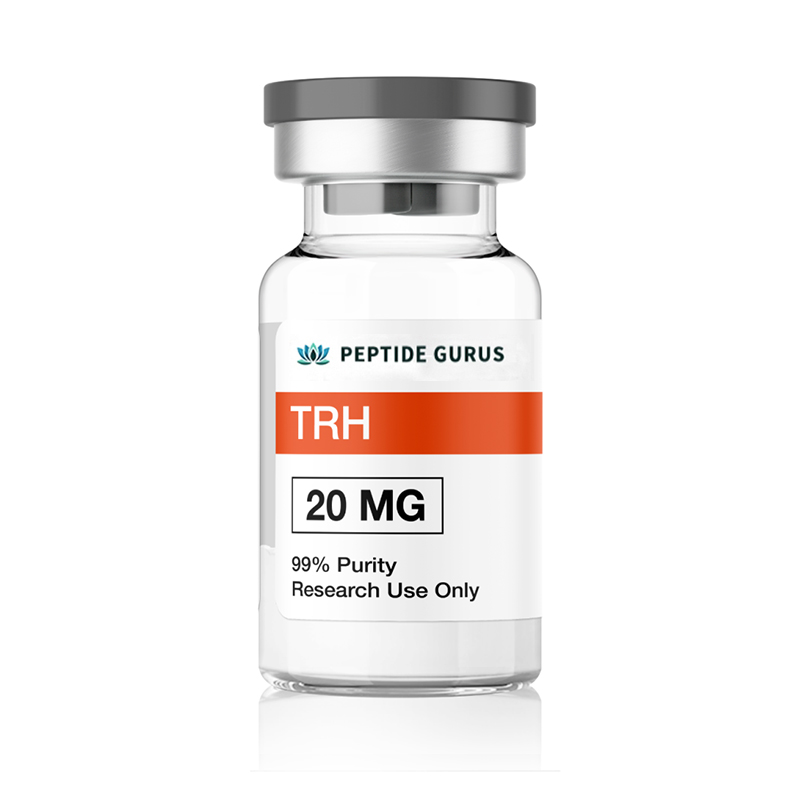
• TRH Thyrotropin peptide and aging regulation research
Q
X
Q

市場甲状腺刺激(アンチレリン)20mg

カテゴリ:,

注文するには連絡先
今すぐメールでご注文をし、1対1のサポートでご注文いたします。在庫が限られています!Zelle、CashApp、Venmo、銀行振込、暗号通貨もご利用いただけます。
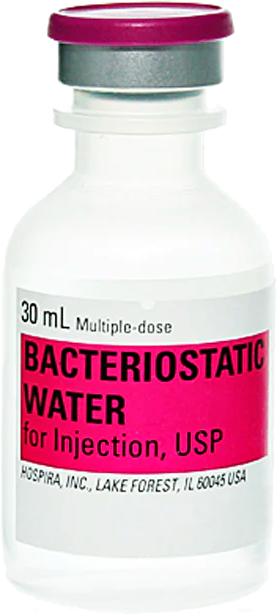
細菌水

遊離(1)30 mlの細菌性水
資格のある注文があります500米ドル. (カプセル製品、化粧品ペプチド、プロモーションコード、出荷を除く)

甲状腺刺激ホルモンを放出する(TRHまたはプロトレリン)視床下部で産生される小さなペプチドホルモンです。 TRHの研究では、甲状腺機能の改善が示されており、抗うつ薬および抗補血特性があります。老化プロセス、摂食行動、フリーラジカルの減少、および自律神経系の調節における潜在的な利益のために研究されています。
製品の使用:この製品は、研究化学物質としてのみ意図されています。この指定により、in vitroテストと実験室の実験のために、研究化学物質を厳密に使用することができます。このウェブサイトで利用可能なすべての製品情報は、教育目的のみを目的としています。あらゆる種類の人間や動物への身体導入は、法律によって厳密に禁じられています。この製品は、認可された資格のある専門家によってのみ処理される必要があります。この製品は薬物、食品、または化粧品ではなく、薬物、食品、化粧品として誤ってブランド化されたり、誤用されたり、誤ったりしたりすることはない場合があります。

甲状腺刺激ホルモン(TRH)の概要(プロテリリンとしても知られています)

Protirelinとも呼ばれるTRHは、視床下部で産生される小さなペプチドホルモンです。その主な機能は、甲状腺刺激ホルモンと前葉下垂体からのプロラクチンの両方の放出を刺激することです。 TRHは臨床的に使用され、甲状腺障害の精密さにおける前葉下垂体の機能をテストします。調査によると、TRHには抗うつ剤および抗補血特性があることが示されています。また、老化プロセス、覚醒、摂食行動、自律的規制、およびフリーラジカル損傷との戦いを調節する役割を果たしている可能性があります。

TRH構造

TRH構造ソース:パブ 順序:pyr-his-pro分子式:c16h22n6o4 分子量:362.39 g/molPubchem cid:638678CAS番号:24305-27-9同義語:プロトレリン、チロリベリン、ロプレモン、レリファクト

TRH研究

TRHとうつ病

Thyrotropin releasing hormone has long been speculated to have anti-depressant effects. In fact, the U.Ss. Army awarded a research grant to the Indiana University School of Medicine in 2012 to develop a TRH-based nasal spray to prevent suicide among soldiers. The knowledge, however, that TRH can reduce suicidal ideation has been around since at least the 1970s. In an early study, doctors administered TRH directly into the spines of patients suffering from severe depression. Five of the eight patients tested responded favorably, showing a 50% or greater reduction in the symptoms of depression as well as a significant reduction in thoughts of suicide. Though the results were dramatic, the short half-life of TRH meant that they did not last long[1]。しかし、この研究は、うつ病の女性におけるTRHの効果を調べる試験で拡張されました。この研究では、TRHは再び効果的でしたが、不安の症状のない特定の種類のうつ病の女性により効果的であるように見えました[2]. Researchers speculated that the specific effects of TRH in depression may be related to a patient’s emotional state. Of course, spinal administration of TRH is not a convenient means of treating depression and so research was done to determine if the peptide could be just as effective when administered by IV. As it turns out, the peptide does cross the blood-brain barrier and so IV administration is just as effective as intrathecal administration[3]. Still, IV administration is impractical for most people and that is why the army is funding research to develop a version of TRH that can be administered intranasally. Interestingly, research in bipolar patients has shown that TRH has more profound effects on depression when given at night. Researchers speculate that this may be because nocturnal administration fits better with the natural circadian cycling of TRH. In the study, size percent of those given TRH showed a 50% or greater reduction in symptoms of depression, which is in keeping with other studies. What was different, however, was that the effects lasted for up to 48 hours, far longer than the antidepressant effects of TRH in other studies[4]。夜行性投与を介してTRHの作用期間を延長すると、ペプチドを使用するだけでなく、注入を介して投与することが実用的になる可能性があります。

TRHの研究と運動記憶

Motor memory, also called muscle memory, refers to a form of procedural memory that develops as a result of doing a specific motor task over and over again. Examples include learning to type on a keyboard, learning to ride a bicycle, and playing a musical instrument. This type of memory differs from rote memory (the ability to learn facts) in a number of ways and is encoded primarily in the cerebellum. The cerebellum is a separate region of the hindbrain that is critical to motor control, coordination, equilibrium, and posture. Research in mice lacking the gene for TRH has shown that they are slower to learn specific motor tasks, but that learning speed can be increased via exogenous administration of TRH[5]。これらの発見は、TRHが小脳で活動しており、運動学習の促進に役割を果たす可能性が高いという長年の疑いを裏付けています。TRHで治療されたノックアウトマウスは、4回の試験の後にはるかに早く学習しました。これは、運動学習の速度が改善されていることを示していますKnockout mice treated with TRH learned much faster after four trials, with time before falling from rotating rod being nearly twice that of untreated mice. This shows improved rates of motor learning Source:PubMedマウスの追加研究は、TRH補給が小脳に影響を与える疾患の影響を減らすのに役立つ可能性があることを示唆しています。たとえば、TRHおよびTRH類似体は、ヒト小脳変性疾患のモデルの運動失調を減少させることがわかっています。彼らは、モーター学習への影響を介して、また覚醒を増加させ、うつ病の影響を減らすことにより、直接そうしているように見えます[6].

オピオイドの過剰摂取と戦うためのTRH研究

Opioids, such as heroin and Oxycontin, can be deadly in the setting of overdose because they suppress the respiratory drive (urge to breath) in the brainstem. To date, the best available treatment for an opioid overdose is a drug called naloxone (Narcan). Narcan is highly effective, but reverses not only the respiratory effects of opioids, but their pain-controlling effects as well. This can be a serious problem in people who suffer from chronic pain. New research in rodents shows that TRH increases both blood pressure and breathing rate. When given intravenously or spraying it directly into the lungs, TRH boosted breathing rates in a dose-dependent manner without affecting pain control. The peptide prevented death in all animals it was given to[7]。 TRHは、副作用が少ないナロキソンと同じ利点を提供するため、オピオイドの過剰摂取との戦いの主力になる可能性があります。さらに、2つの治療には異なる作用メカニズムがあるように見えます。つまり、それらを相乗的に使用できる可能性があり、もう1つが失敗した場合に1つを与えることができます。

トラウマでテストされたTRHアナログ

TRHの代謝的に安定したバージョンであり、半減期が長いタルティレリンは、ラットの急性出血性ショックの設定でテストされています。予備的な結果は、TRHが平均動脈血圧と呼吸数、急性失血の既存の治療に類似した結果を改善するのに役立つことを示しています。 TRHはまた、血液のpHを改善し、動脈酸素飽和度の減少を防ぎ、失血と血液量減少ショックの治療において有用なアジュバントになりました[8]。副作用のプロファイルが限られているため、TRHは救急車の緊急衝撃治療の主力になる可能性があります。

疾患の発達において重要なTRH欠乏症

TRHレベルの変化は甲状腺疾患に関連していることが長い間知られていますが、研究者と医師は、TRHや他の甲状腺ホルモンの変化もさまざまな非甲状腺疾患で発生することを観察しています。ラットの研究により、脳内の特定のニューロンがTRHを生成してフィードバックメカニズムに応答する能力を失うため、この現象の原因である可能性があることが明らかになりました。[9]。 TRH補給が、場合によっては非甲状腺疾患の重症度を減らし、より指向性のある療法のアジュバントとして機能する可能性があるかどうかに関心があります。

TRHは老化プロセスに影響を与える可能性があります

マウスの研究では、TRHが酸化的損傷や自然な老化から特定の臓器を保護するのに役立つことが示されています。 TRHは、腎臓のアミロイドプラークの構築を減らしているようです。これは、人間の年齢として腎機能の低下の一般的な原因です。このプラークの蓄積を防ぐことにより、TRHは年齢を進めたにもかかわらず腎機能を維持しているように見えます。老化した雄マウスの精巣にも同様の効果が見られます[10]. Of course, amyloid plaques are most clearly associated with Alzheimer’s disease (AD) and so it should come as no surprise that researchers are interested in the ability of TRH to prevent amyloid buildup in the brain the same way that it does in the kidneys. Preliminary studies in mice have yielded unclear results. Why TRH does seem to increase arousal in aging mice, it isn’t clear if it has any impact on amyloid plaque buildup[11]。とはいえ、研究は、ADに苦しむ患者の海馬のTRHレベルが低下することを示唆しており、TRHが脳のアミロイドの蓄積に影響を与えない場合でも、補給が使用される可能性があることを示唆しています。[12]Luguang Luoによると, lead author of the paper and professor of regenerative medicine, “TRH within the hippocampus can regulate the activity of various proteins by phosphorylation/dephosphorylation that may be involved in the pathogenesis of AD.” Protirelin exhibits minimal side effects, high oral and excellent subcutaneous bioavailability in mice. Per kg dosage in mice does not scale to humans. TRH for sale at
ペプチドグル人間の消費ではなく、教育的および科学的研究のみに限定されています。あなたが認可された研究者である場合にのみ、甲状腺刺激剤放出ホルモンを購入してください。

記事autho

上記の文献は、M.D。Logan博士によって研究、編集、および組織されました。ケースウエスタンリザーブ大学医学部とB.S.分子生物学で。

Scientific Journalの著者

ウォルター・ピアパオリ教授1934年にミラノで生まれました。彼は1960年に医学と手術の名誉を卒業しました。心臓病学の専攻と、ミラノ大学一般病理学研究所のアシスタントとして教えられ、生物物理学の研究(光線力学効果)を実施し、アメリカ合衆国の原子力委員会の奨学金を活用して、補助病院と実践活動(診療所)として教えられました。ピエルパオリ教授は、長年にわたって長年にわたって昇進しました。現在は「神経免疫調節」と呼ばれる医学の学際的な学際的であり、現在は何千人もの研究者を捧げています。彼は元の研究に基づいて、老化の疾患に対する介入に基づいて考案し、米国のシアトルで長年にわたって、有名なフレッド・ハッチンソンがん研究センターの研究者グループとともに、1978年に開始され、免疫系を修正し、臓器の拒絶を防ぐことができる新しい移植方法に基づいて研究しています。世界の特許によって保護されているこのプロジェクトは、開発の非常に高度な段階にあり、糖尿病や癌を含む最初の臨床インターンシップが広範囲にわたる病理を提供します。 Pierpaoli教授は、140を超える科学論文を発表しました。Nature,(7項目)、Journal of the National Cancer Institute– USA,国立科学アカデミーの議事録 - アメリカと他の多く。注目すべき成果:
  • イタリアで老化と癌に関するストロンボリ会議を設立しました。 2004年
  • ビアンカラナのディレクター - イタリアのアンコナの老化のためのマセラ財団。
  • モンテカルロアンチエイジングカンファレンス™から、アンチエイジング医学の優秀賞を受賞しました
次の本の著者:
  • 老化の逆転 - 松果体時計のリセット
  • 老化の逆転 - 神話と現実:男が障壁を作った
  • 老化時計
  • メラトニンの奇跡
  • 生理学的老化とその延期:理論的アプローチと合理的介入
  • 神経免疫調節:老化と癌への介入
甲状腺刺激ホルモン(TRH)aroused their interest when they were engaged in related experiments, so they decided to study its effects on organs, tissues, and aging-related metabolic and hormonal markers when administered in acute or chronic (oral) doses at various time points in its cyclic circadian pattern. Prof. Walter Pierpaoli is being referenced as one of the leading scientists involved in the research and development of [peptide name here]. In no way is this doctor/scientist endorsing or advocating the purchase, sale, or use of this product for any reason. There is no affiliation or relationship, implied or otherwise, between
ペプチドグルそしてこの医者。医師を引用する目的は、このペプチドを研究している科学者が実施した徹底的な研究開発努力を認め、認識し、称賛することです。ウォルター・ピアパオリ教授は、参照された引用の下で[10]にリストされています。

参照

    L. B. Marangell et al., “Effects of intrathecal thyrotropin-releasing hormone (protirelin) in refractory depressed patients,” Arch. Gen. Psychiatry, vol. 54, no. 3, pp. 214–222, Mar. 1997. [PubMed] R. Bunevicius and V. Matulevicius, “Short-lasting behavioural effects of thyrotropin-releasing hormone in depressed women: results of placebo-controlled study,” Psychoneuroendocrinology, vol. 18, no. 5–6, pp. 445–449, 1993. [PubMed] A. M. Callahan et al., “Comparative antidepressant effects of intravenous and intrathecal thyrotropin-releasing hormone: confounding effects of tolerance and implications for therapeutics,” Biol. Psychiatry, vol. 41, no. 3, pp. 264–272, Feb. 1997. [PubMed] M. P. Szuba, J. D. Amsterdam, A. T. Fernando, K. A. Gary, P. C. Whybrow, and A. Winokur, “Rapid antidepressant response after nocturnal TRH administration in patients with bipolar type I and bipolar type II major depression,” J. Clin. Psychopharmacol. [PubMed] M. Watanave, Y. Matsuzaki, Y. Nakajima, A. Ozawa, M. Yamada, and H. Hirai, “Contribution of Thyrotropin-Releasing Hormone to Cerebellar Long-Term Depression and Motor Learning,” Front. Cell. Neurosci., vol. 12, p. 490, 2018. [PubMed] N. Shibusawa, K. Hashimoto, and M. Yamada, “Thyrotropin-releasing hormone (TRH) in the cerebellum,” Cerebellum Lond. Engl., vol. 7, no. 1, pp. 84–95, 2008. [PubMed] J. D. Boghosian, A. Luethy, and J. F. Cotten, “Intravenous and Intratracheal Thyrotropin Releasing Hormone and Its Analog Taltirelin Reverse Opioid-Induced Respiratory Depression in Isoflurane Anesthetized Rats,” J. Pharmacol. Exp. Ther., vol. 366, no [PubMed] H. Asai, Y. Watanabe, R. Yamauchi-Kohno, and O. Doi, “Reversal of hemorrhagic shock in rats using the metabolically stable thyrotropin-releasing hormone analog taltirelin hydrate,” J. Recept. Signal Transduct. Res., vol. 31, no. 6, pp. 416–422, Dec. 2 [PubMed] E. Fliers, S. E. Guldenaar, W. M. Wiersinga, and D. F. Swaab, “Decreased hypothalamic thyrotropin-releasing hormone gene expression in patients with nonthyroidal illness,” J. Clin. Endocrinol. Metab., vol. 82, no. 12, pp. 4032–4036, Dec. 1997. [PubMed] W. Pierpaoli, “Aging-reversing properties of thyrotropin-releasing hormone,” Curr. Aging Sci., vol. 6, no. 1, pp. 92–98, Feb. 2013. [PubMed] A. M. Mellow et al., “Acute effects of high-dose thyrotropin releasing hormone infusions in Alzheimer’s disease,” Psychopharmacology (Berl.), vol. 98, no. 3, pp. 403–407, 1989. [PubMed] L. Luo, N. Yano, Q. Mao, I. M. D. Jackson, and E. G. Stopa, “Thyrotropin releasing hormone (TRH) in the hippocampus of Alzheimer patients,” J. Alzheimers Dis. JAD, vol. 4, no. 2, pp. 97–103, Apr. 2002. [PubMed]
このウェブサイトで提供されるすべての記事と製品情報は、情報および教育目的のみを目的としています。このウェブサイトで提供される製品は、ビトロ内の研究のためにのみ提供されています。 in-vitro研究(ラテン語:ガラス)は体の外側で行われます。これらの製品は薬や薬ではなく、病状、病気、病気を予防、治療、治療するためにFDAによって承認されていません。あらゆる種類の人間や動物への身体導入は、法律によって厳密に禁じられています。

お問い合わせをリクエストしてください

私たちについて

Peptidegurusは、アメリカ製の研究ペプチドの大手サプライヤーであり、競争力のある価格で最高品質の製品を提供しています。卓越性と顧客サービスに重点を置いて、彼らはグローバルな配送で安全で便利な注文プロセスを保証します。

見積もりをリクエストしてください

  • ペプチドグル
  • info@peptidegurus.com
  • グレンデール、それは、アメリカ
  • 接触

    お問い合わせをリクエストしてください