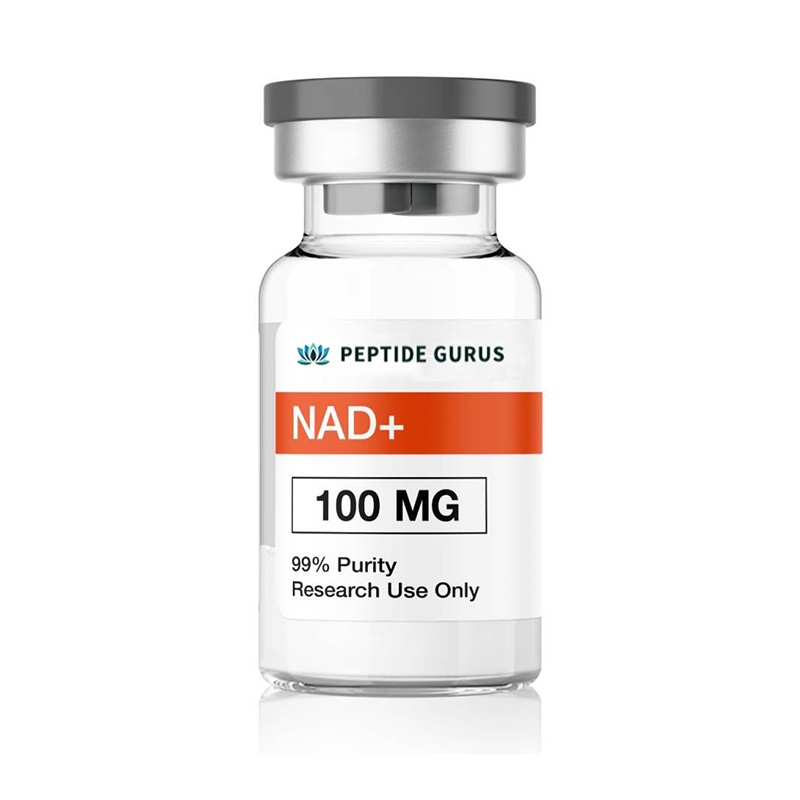
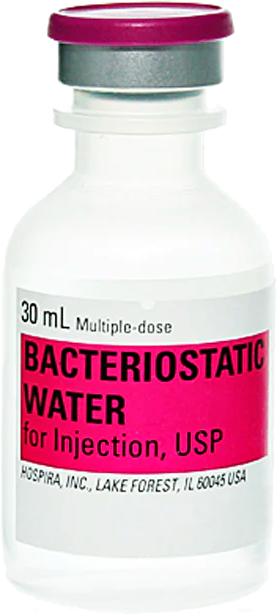
유리 (1) 30 ml 세균성 물 자격을 갖춘 주문이 있습니다$ 500 USD.
(캡슐 제품, 미용 펩티드, 프로모션 코드 및 배송 제외)
그들은+(니코틴 아미드 아데닌 디 뉴클레오티드)는 산화 된 형태의 NADH 및 자연 발생 화합물이다. 연구에 따르면 NAD+는 근육 기능을 개선하고 신경계의 세포를 보호하며 일반적으로 노화의 영향을 감소시키는 데 도움이 될 수 있습니다.
제품 사용 :이 제품은 연구 화학 물질로만 의도 된 것입니다.이 명칭은 시험 관내 시험 및 실험실 실험에만 연구 화학 물질을 엄격하게 사용할 수있게한다. 이 웹 사이트에서 제공되는 모든 제품 정보는 교육 목적으로 만 사용됩니다. 인간이나 동물에 어떤 종류의 신체적으로 소개되는 것은 법에 의해 엄격히 금지되어 있습니다. 이 제품은 라이센스가 부여 된 자격을 갖춘 전문가 만 처리해야합니다. 이 제품은 약물, 음식 또는 화장품이 아니며 약물, 음식 또는 화장품으로 잘못 브랜드화되거나 잘못 사용되거나 오해가되지 않을 수 있습니다.
NAD+는 무엇입니까?
니코틴 아미드 아데닌 디 뉴클레오티드의 경우 짧은 NAD+는 산화 된 형태의 NADH입니다. 주요 생물학적 기능은 한 생화학 적 반응에서 다른 생화학 적 반응에서 전자를 운반하여 세포 내에서 에너지를 셔틀에, 특정 조건에서 세포 외 위치로 수행하는 것입니다. NAD+는 또한 효소 활성화/비활성화, 단백질의 번역 후 변형 및 세포 간 통신에서 역할을한다. 세포 외 신호 전달 분자로서, NAD+는 혈관의 뉴런, 방광, 대장 및 뇌의 특정 뉴런에서 방출되는 것으로 밝혀졌다.
NAD+는 세포질 대사뿐만 아니라 세포 외 통신에 필수적인지지 분자로 가장 잘 생각된다. 연구에 따르면 NAD+는 에너지 전환, DNA 복구, 면역 방어 및 일주기주기에서 중요한 역할을합니다. 그러나 보조 인자의 수준은 질병 상태와 연령에 민감합니다. NAD+ 자연 연령 관련 결과로 감소하는 다음 영향으로 보조 인자 수준이 감소합니다.
NAD+는 DNA 복구 및 염증 과정에 관여하는 폴리 -ADP- 리보스 폴리머 라제를 좋아하는 시르 투인 및 기타 효소를 활성화시킨다. 시르 투 인은 칼로리 제한의 생명 확장 이점과 관련된 동일한 효소입니다.
NAD+는 단백질 PGC-1- 알파의 생성을 조절하며, 이는 중추 신경계의 뉴런 및 다른 세포를 산화 스트레스로부터 보호합니다. 마우스에 대한 연구에 따르면이 특정 효과는 특히 노화와 관련된 기억력 향상과 관련이있을 수 있습니다.
마우스 모델에서 NAD+는 연령 관련 경화 및 죽상 경화성 플라크의 증착으로부터 혈관을 보호하는 데 도움이됩니다. 일부 연구에서, 보조 인자는 대동맥의 연령 관련 기능 장애를 역전시키는 데 도움이됩니다.
NAD+를 제공 한 마우스는 증가 된 대사 속도와 개선 된 린 체질을 나타냅니다.
NAD+ 수치가 증가하면 오래된 생쥐에서 근육 강도와 지구력이 증가 할 수 있습니다.
NAD+는 특히 평활근에 대해 세포 외 신호 전달과 관련이있다. GI 기능에서는 도움이 될 수 있습니다. 이 효과는 NAD+ 혈압에 대한 책임이있을 것입니다.[1], [2].
NAD+ 추가 및 시너지
NAD+는 자연적으로 발생하는 분자이기 때문에 다른 보충제와 결합하여 부작용이 거의 없거나 전혀없는 상승 효과를 얻는 것이 쉽습니다. 이것은 NAD+가 다른 천연 보충제와 결합 될 때 특히 그렇습니다. 마우스에 대한 연구는 여러 가지 특정한 경우에 이것을 설명합니다.
NAD+와 고용량 바이오틴을 결합하면 통증에 대항하고 통증 수준을 줄이는 데 도움이 될 수 있습니다.
에너지 대사의 또 다른 보조 인자 인 CoQ10은 NAD+와 상승적으로 작동하여 신경 기능을 개선하고 산화 스트레스로부터 중추 신경계를 보호 할 수 있습니다.[3].
Reservatrol과 NAD+는 산화 손상을 줄이고 염증을 낮추고 LDL (일명 BAD) 콜레스테롤 수치를 낮추는 데 도움이됩니다. 그들은 또한 당뇨병 및 신경 퇴행성 질환으로부터 보호하기 위해 함께 일할 수 있습니다.[4].
비타민 B1, B2 및 B6은 NAD+ 구조를 높이는 데 도움이됩니다. NAD+ 보충과 결합하면 전체 NAD+ 레벨을 개선하는 데 도움이 될 수 있습니다.
크레아틴 및 알파 리포산과 같은 미토콘드리아 및 에너지 보충제와 NAD+를 결합하면 산화 방지제 및 노화 방지 효과가 향상 될 수 있습니다.
NAD+ 연구
노화 방지 연구 및 NAD+
표준 노화 과정의 주요 결과 중 하나는 미토콘드리아의 품질과 활동이 감소하는 것입니다. 미토콘드리아는 신체의 발전소로서 뉴런 발사부터 소화 및 근육 기능에 이르기까지 모든 것에 대한 에너지를 생산합니다. 미토콘드리아 기능의 감소는 정상적인 노화와 관련이 있지만, 다수의 연령 관련 질병 과정의 요인이기도합니다. 연구에 따르면 미토콘드리아 노화는 세포 노화, 염증 및 심지어 줄기 세포 활동의 변화에 기여하여 치유 속도를 줄이고 신체가 노인의 부상으로부터 회복하기가 더 어려워집니다.[5].
According toNuo Sunof the Heart, Lung, and Blood Institute of the National Institutes of Health, mitochondria cannot simply be viewed as bioenergetics factories, but “rather as platforms for intracellular signaling, regulators of innate immunity and modulators of stem cell activity.” He goes on to explain that “mitochondria can be linked to a wide range of processes associated with aging including senescence, inflammation, as well as the more generalized age-dependent decline in tissue and organ function.” In other words, mitochondria are the lynch pin of cellular aging and understanding how to protect their function is a necessary first step in understanding how to slow, stop, or even reverse the aging process.
New research suggests that at least some of the age-related decline seen in mitochondria can be reversed through dietary supplementation with NAD+. This function of NAD+ was uncovered, or at least made popular in research circles, by David Sinclair of Harvard University. Sinclair is the same researcher who uncovered the anti-aging effects of reservatrol (a component of red wine). In 2013, Sinclair revealed that mitochondria in the muscle of mice could be restored to a more youthful state via injection of a precursor to NAD+[6].
Research completed in 2013 showed that declining levels of NAD+ leads to a pseudohypoxic state within cells. This, in turn, interrupts the normal signaling that takes place between the nucleus, where DNA resides, and the mitochondria. By supplementing old mice with NAD+, mitochondrial function is restored and the communication commences again[7].
At least prat of the reason that NAD+ helps to offset the effects of aging is that it activates SIRT 1 function in the nucleus and prevents the normal age-related decline in expression of this particular gene. SIRT 1 is a gene encoding a protein known as sirtuin 1 (short for NAD-dependent deacetylase sirtuin-1). Sirtuin 1 is an enzyme that plays important roles in regulating proteins involved in cellular metabolism and processes linked to stress, longevity, and inflammation[8].
Possible way in which NAD+ decline affects cellular mechanisms of aging.
Source:PubMed
근육 기능에서 NAD+의 역할
노화와 NAD+ 사이의 또 다른 연결은 골격근 조직에서 볼 수 있습니다. 마우스 모델에서 연령 관련 근육 감소는 두 단계로 발생합니다. 첫 번째 단계에서, 산화 적 인산화 (에너지 생성을위한 미토콘드리아 사용) 미토콘드리아 유전자의 발현이 감소하여 감소한다 (미토콘드리아는 그들 자신의 DNA를 함유 함). 두 번째 단계에서, 산화 적 인산화를 조절하는 유전자는 미토콘드리아 및 핵에서 오작동하기 시작한다. 1 단계는 가역적입니다. NAD+가 투여되는 경우, 이들 연구에서 마우스는 미토콘드리아 기능이 향상되고 2 단계로 진행되지 않는다. 그러나 마우스가 개입없이 2 단계로 진행할 수 있다면 NAD+는 구조 할 수 없다.[9]. This evidence suggests that intervention in mitochondrial aging is possible using NAD+, but that waiting too long results in refractory dysfunction. It is the best argument yet that early supplementation with NAD+ is critical to fighting off aging in the long term.
Research shows that exercise training actually has the same effects on aging mitochondria as NAD+ supplementation does. It appears that, in both cases, intervention helps to prevent changes in peroxisome proliferator-activated receptor gamma co-activator 1-alpha (PGC-1-alpha) signaling that lead to mitochondrial dysfunction[10].
Research in mouse models of skeletal muscle aging suggests that exercise training helps to maintain muscle oxidative capacity over a lifetime. At least part of the reason that this works is that exercise increases PGC-1-alpha levels, which in turn helps to protect mitchondrial DNA, oxidative proteins, and angiogenic (blood vessel stimulating) proteins[11].
신경 퇴행성 질환에서 NAD+
NAD+와 노화 과정에 대해 배운 것의 대부분은 실제로 여러 가지 질병 상태에 적용 할 수 있습니다. 특히, NAD+의 변화는 중추 신경계에서 광범위한 영향을 미치는 것으로 보이며 알츠하이머 및 헌팅턴의 질병과 같은 다수의 신경 퇴행성 질환과 관련이 있습니다. 2019 년에 발표 된 검토 기사는 NAD+ 및 중추 신경계와 관련된 지식의 현재 상태를 설명했습니다. 요컨대, NAD+는 헌팅턴 병과 같은 인간 질병의 다수의 마우스 모델에서 신경 보호 적입니다. 보조 인자는 미토콘드리아 기능을 향상시키는 데 중요하며, 이는 반응성 산소 종 (ROS)의 생성을 감소시키는 것으로 보인다. ROS는 다수의 염증 및 질병 상태에서 손상을 일으키는 것으로 알려져 있습니다. 또한 노화 과정을 가속화합니다. PARP 억제제로 알려진 약물 클래스와 함께 NAD+ 보충을 통해 얻을 수있는 상승 효과에 관심이있다. PARP 단백질은 DNA 복구 및 프로그램 된 세포 사멸에 관여한다. 활성화 된 PARP는 DNA 복구에 중요하지만 너무 많은 PARP 활동은 실제로 세포 에너지 저장을 고갈시키고 프로그래밍 된 세포 사멸을 유도 할 수 있습니다.[12].
Research in mouse models of Parkinson’s disease shows that NAD+ supplementation helps to protect against motor deficits and the death of dopaminergic neurons in the substantia nigra. This suggests that NAD+ may not only help ameliorate the symptoms of Parkinson’s disease, but may actually slow or even prevent the development of the disease in the first place[13].
Interesting research into a metabolic process known as the kynurenine pathway (KP) has shown that NAD+ supplementation may help to ward off disease by preventing the breakdown of neurotransmitters and by reducing the need to shunt protein precursors to the production of NAD+. Tryptophan is an essential amino acid and is a building block of a number of neurotransmitters and proteins. This amino acid is broken down, however, via the KP to produce NAD+. Thus, the production of NAD+ directly cannibalizes essential neurotransmitters. Research has linked imbalances in KP activity to Parkinson’s, Alzheimer’s, and Huntington’s diseases as well was psychiatric disorders like schizophrenia and bipolar disorder[14]. NAD+ 보충이 KP의 불균형을 방지 할 수 있는지 여부를 결정하기위한 지속적인 연구가 있습니다. 따라서 언급 된 신경 퇴행성 조건을 개선하거나 방지합니다.
염증 감소에서 NAD+의 역할
NAD+ 레벨은 여러 요인에 의해 조절되며 그 중 하나는 NAMPT입니다. 이 특정 효소는 염증과 관련이있는 것으로 알려져 있으며 종종 특정 유형의 암에 의해 과발현됩니다. 실제로 연구자들은 NAMPT를 잠재적 인 항암 치료로 목표로 삼고 있습니다. 조절기는 또한 비만, 제 2 형 당뇨병 및 비 알코올성 지방간 질환의 발달과 관련이 있습니다. 그것은 염증의 강력한 활성화 제이며 NAD+ 수준이 감소함에 따라 그 수준이 크게 증가합니다. NAD+를 이용한 보충은 NAMPT 활성화를 줄이고 염증을 조절하는 데 도움이 될 수 있다고 생각됩니다.[15].
There is good evidence to suggest that the NAD+/NAMPT dichotomy is a primary driver of the insulin resistance that has been linked to obesity and so often leads to type 2 diabetes as well as heart disease. It appears that obesity leads to inflammation and that leads to an overall reduction in NAD+ levels, which in turn increases free fatty acid levels in the blood as a result of adiponectin down-regulation. This then causes the liver to produce more glucose even as it interferes with the insulin-mediated uptake of glucose by skeletal muscle. The result is insulin resistance, which the pancreas attempts to overcome by producing more insulin. The net result, over time, is high glucose levels and diabetes[16].
중독 치료에서 NAD+
약물과 알코올은 NAD+ 수준에 해로운 영향을 줄 수있는 것으로 오랫동안 알려져 왔습니다. 이것은 영양 적자로 이어지지 만 기분과 인식의 변화와 관련이 있습니다. NAD+를 통해 이러한 결함을 극복하는 데 도움이되었지만 1960 년대에 시작되었지만 최근에 특정 아미노산 복합체와 함께 NAD+가 실제로 회복을 촉진하고 중독 재활 중에 더 심오하고 지속적인 결과를 초래할 수 있음을 보여주는 연구의 결과로 인기를 얻었습니다. 연구에 따르면 NAD+와 특정 아미노산의 조합은 갈망을 줄이고 스트레스 및 불안 수준을 향상시킬 수 있습니다.[17].
NAD+ 보충 및 노화 연구의 미래
There is good evidence from animal models to suggest that NAD+ supplementation can offset some of the effects of mitochondrial aging. Much of this evidence, however, comes from animal models. There has been a strong push to test NAD+ in clinical trials of neurodegenerative disease and chronic type 2 diabetes. In both cases, the simple cofactor holds a great deal of promise for, at the very least, slowing the progression of these devastating diseases. There is even hope that NAD+ can, by itself or in combination with other therapies, reverse certain disease processes or even regulate the aging process itself.
NAD+ exhibits minimal side effects, low oral and excellent subcutaneous bioavailability in mice. Per kg dosage in mice does not scale to humans. NAD+ for sale at
펩티드 전문가인간 소비가 아닌 교육 및 과학 연구로만 제한됩니다. 면허가있는 연구원 인 경우 NAD+ 만 구매하십시오.
기사 저자
위의 문헌은 Dr. Logan, M.D. Dr. Logan이 연구, 편집 및 조직했습니다.사례 서부 예비 대학교 의과 대학그리고 B.S. 분자 생물학에서.
과학 저널 저자
신-치치로 이마, MD, 박사major interest is to understand the systemic regulation of aging and longevity in mammals and translate that knowledge into an effective anti-aging intervention that makes our later lives as healthy and productive as possible… Three key tissues have been identified as basic elements in mammalian aging and longevity control: the hypothalamus as the control center, skeletal muscle as an effector and adipose tissue as a modulator. These findings are integrated into a comprehensive concept of mammalian aging and longevity control, named the NAD World 2.0 (Imai, npj Systems Biology and Applications, 2016). Through these projects, they aim to understand the importance of these critical inter-tissue communications among the hypothalamus, skeletal muscle and adipose tissue in mammalian aging and longevity control. The anticipated outcome of these studies will allow us to develop effective anti-aging interventions.
Shin-ichiro Imai’s, MD, PhD is being referenced as one of the leading scientists involved in the research and development of NAD+. In no way is this doctor/scientist endorsing or advocating the purchase, sale, or use of this product for any reason. There is no affiliation or relationship, implied or otherwise, between
펩티드 전문가그리고이 의사. 의사를 인용하는 목적은이 펩티드를 연구하는 과학자들이 수행 한 철저한 연구 개발 노력을 인정, 인식 및 인정하는 것입니다. Shin-ichiro Imai 's, MD, PhD는 참조 인용에 따라 [8]에 나열되어 있습니다.
참조 인용
“NAD+ Science 101 – What Is NAD+ & Why It’s Important,” Elysium Health. [Online]. Available:https://www.elysiumhealth.com/en-us/knowledge/science-101/everything-you-need-to-know-about-nicotinamide-adenine-dinucleotide-nad. [Accessed: 25-Jul-2019].
“Nicotinamide Riboside: Benefits, Side Effects and Dosage,” Healthline. [Online]. Available:https://www.healthline.com/nutrition/nicotinamide-riboside. [Accessed: 25-Jul-2019].
R. T. Matthews, L. Yang, S. Browne, M. Baik, and M. F. Beal, “Coenzyme Q10 administration increases brain mitochondrial concentrations and exerts neuroprotective effects,” Proc. Natl. Acad. Sci. U. S. A., vol. 95, no. 15, pp. 8892–8897, Jul. 1998. [PMC]
“What You Need to Know About Resveratrol Supplements,” WebMD. [Online]. Available:https://www.webmd.com/heart-disease/resveratrol-supplements. [Accessed: 25-Jul-2019].
N. Sun, R. J. Youle, and T. Finkel, “The Mitochondrial Basis of Aging,” Mol. Cell, vol. 61, no. 5, pp. 654–666, Mar. 2016. [PMC]
D. Stipp, “Beyond Resveratrol: The Anti-Aging NAD Fad,” Scientific American Blog Network. [Online]. Available:https://blogs.scientificamerican.com/guest-blog/beyond-resveratrol-the-anti-aging-nad-fad/. [Accessed: 08-Jul-2019].
A. P. Gomes et al., “Declining NAD+ Induces a Pseudohypoxic State Disrupting Nuclear-Mitochondrial Communication during Aging,” Cell, vol. 155, no. 7, pp. 1624–1638, Dec. 2013. [PMC]
S. Imai and L. Guarente, “NAD+ and sirtuins in aging and disease,” Trends Cell Biol., vol. 24, no. 8, pp. 464–471, Aug. 2014. [PubMed]
A. R. Mendelsohn and J. W. Larrick, “Partial reversal of skeletal muscle aging by restoration of normal NAD+ levels,” Rejuvenation Res., vol. 17, no. 1, pp. 62–69, Feb. 2014. [PubMed]
C. Kang, E. Chung, G. Diffee, and L. L. Ji, “Exercise training attenuates aging-associated mitochondrial dysfunction in rat skeletal muscle: role of PGC-1α,” Exp. Gerontol., vol. 48, no. 11, pp. 1343–1350, Nov. 2013. [PubMed]
S. Ringholm et al., “Effect of lifelong resveratrol supplementation and exercise training on skeletal muscle oxidative capacity in aging mice; impact of PGC-1α,” Exp. Gerontol., vol. 48, no. 11, pp. 1311–1318, Nov. 2013. [PubMed]
A. Lloret and M. F. Beal, “PGC-1α, Sirtuins and PARPs in Huntington’s Disease and Other Neurodegenerative Conditions: NAD+ to Rule Them All,” Neurochem. Res., May 2019. [PubMed]
C. Shan et al., “Protective effects of β- nicotinamide adenine dinucleotide against motor deficits and dopaminergic neuronal damage in a mouse model of Parkinson’s disease,” Prog. Neuropsychopharmacol. Biol. Psychiatry, vol. 94, p. 109670, Jun. 2019. [PubMed]
D. C. Maddison and F. Giorgini, “The kynurenine pathway and neurodegenerative disease,” Semin. Cell Dev. Biol., vol. 40, pp. 134–141, Apr. 2015. [PubMed]
A. Garten, S. Schuster, M. Penke, T. Gorski, T. de Giorgis, and W. Kiess, “Physiological and pathophysiological roles of NAMPT and NAD metabolism,” Nat. Rev. Endocrinol., vol. 11, no. 9, pp. 535–546, Sep. 2015. [PubMed]
S. Yamaguchi and J. Yoshino, “Adipose Tissue NAD+ Biology in Obesity and Insulin Resistance: From Mechanism to Therapy,” BioEssays News Rev. Mol. Cell. Dev. Biol., vol. 39, no. 5, May 2017. [PMC]
J. E. Humiston, “Nicotinamide Adenine Dinucleotide,” p. 68. [FDA]이 웹 사이트에 제공된 모든 기사 및 제품 정보는 정보 및 교육 목적만을위한 것입니다.이 웹 사이트에서 제공되는 제품은 투명한 연구를 위해 제공됩니다. 내역 연구 (라틴어 : 유리)는 신체 외부에서 수행됩니다. 이 제품은 의약품이나 약물이 아니며 FDA에 의해 의학적 상태, 질병 또는 질병을 예방, 치료 또는 치료하기 위해 승인되지 않았습니다. 인간이나 동물에 어떤 종류의 신체적으로 소개되는 것은 법에 의해 엄격히 금지되어 있습니다.