• 세척 대 산업 청소 기술을위한 바이알 소형 선
X
큐
주문하려면 연락
지금 바로 이메일을 보내 1:1 지원과 함께 주문을 하세요. 한정 재고! Zelle, CashApp, Venmo, 은행 송금, 암호화폐 결제를 받습니다.
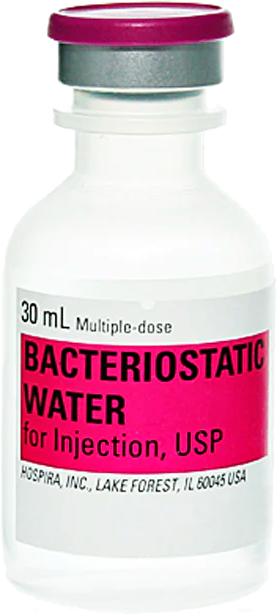
세균성 물

유리 (1) 30 ml 세균성 물
자격을 갖춘 주문이 있습니다$ 500 USD. (캡슐 제품, 미용 펩티드, 프로모션 코드 및 배송 제외)

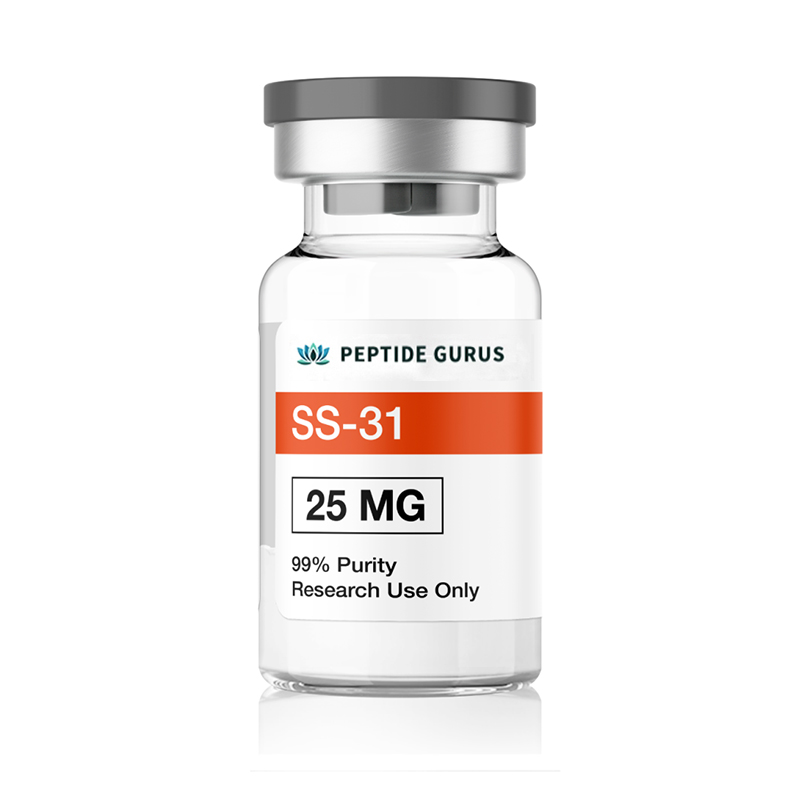
SS-31은 ATP 합성을 통한 미토콘드리아 기능과 전반적인 에너지 생산을 개선하는 데 도움이됩니다. 연구에 따르면 알츠하이머, 파킨슨, 심장병, 당뇨병, 신장 질환 등과 같은 산화 스트레스 및 염증성 질환을 유발하는 염증성 사이토 카인을 감소시키는 능력이 밝혀졌습니다.
제품 사용 :이 제품은 연구 화학 물질로만 의도 된 것입니다.이 명칭은 시험 관내 시험 및 실험실 실험에만 연구 화학 물질을 엄격하게 사용할 수있게한다. 이 웹 사이트에서 제공되는 모든 제품 정보는 교육 목적으로 만 사용됩니다. 인간이나 동물에 어떤 종류의 신체적으로 소개되는 것은 법에 의해 엄격히 금지되어 있습니다. 이 제품은 라이센스가 부여 된 자격을 갖춘 전문가 만 처리해야합니다. 이 제품은 약물, 음식 또는 화장품이 아니며 약물, 음식 또는 화장품으로 잘못 브랜드화되거나 잘못 사용되거나 오해가되지 않을 수 있습니다.

SS-31은 무엇입니까?

SS-31 (elamipretide) is a small, aromatic peptide that easily penetrates cell and organelle membranes.It is thought to interfere with the production of reactive oxygen species (ROS or free radicals) and promote energy production in cells by stabilizing the enzyme cardiolipin within mitochondria. Cardiolipin is part of the inner mitochondrial membrane where it acts as a fundamental component of the electron transport chain, the machinery by which most energy need for cellular functioning is produced. Dysfunction of cardiolipin has been implicated as contributing to the pathology of a number of diseases including Alzheimer’s disease, Parkinson’s disease, nonalcoholic fatty liver disease, diabetes, heart failure, HIV, cancer, chronic fatigue syndrome, and more. Cardiolipin is thought to be a major component of mitochondrial myopathy, which isn’t a single disease but rather is a group of neuromuscular disorders caused by damage to mitochondria. Mitochondrial myopathy is characterized by everything from muscle weakness and exercise intolerance to heart failure, seizures, and dementia. SS-31 is the first peptide to ever undergo clinical trials as a potential treatment for mitochondrial myopathy.

SS-31 펩티드 구조

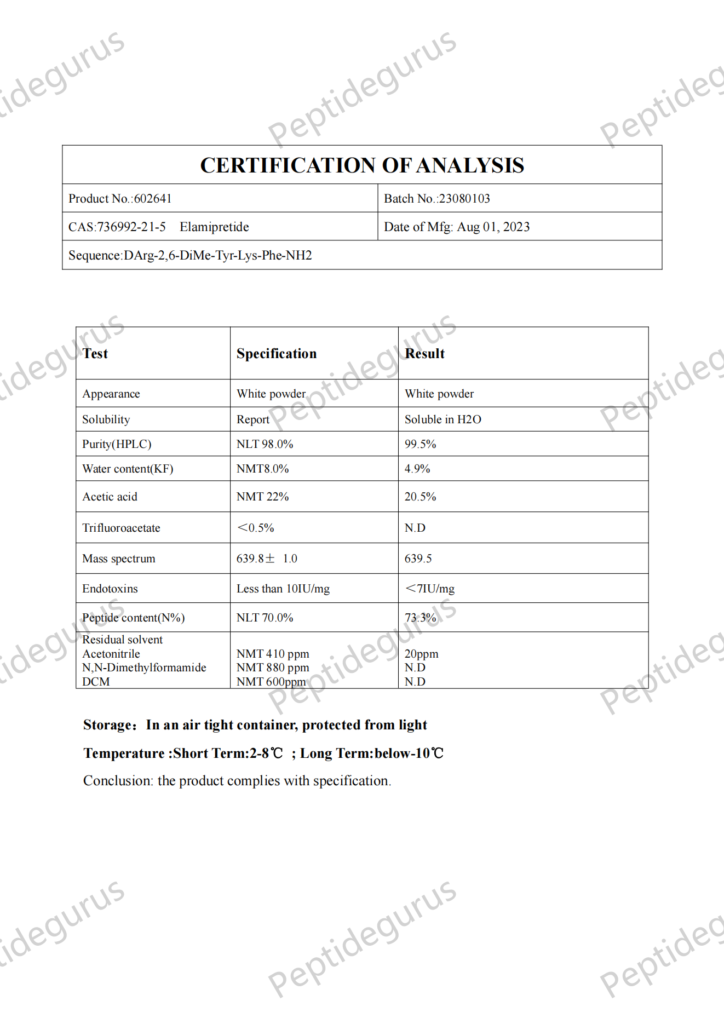
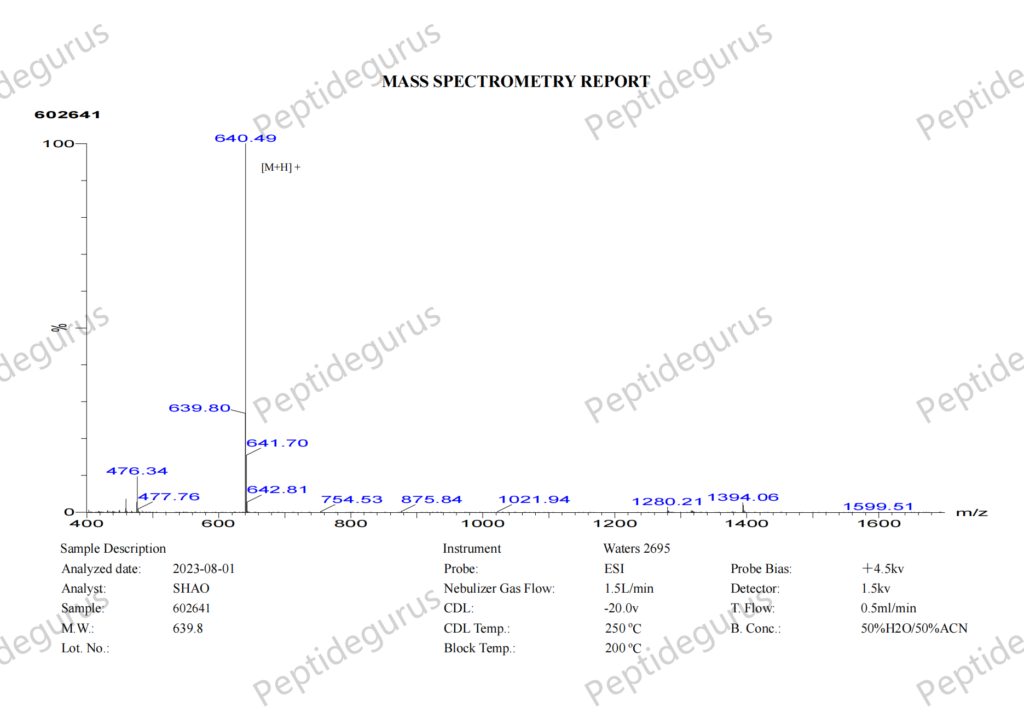
순서:T- 리스터 (2,6-DME) -Lys-Phe분자식 :기음32시간49N9영형5 분자량 :639.8 g/molPubchem CID :11764719 CAS 번호 :736992-21-5동의어 :주거, MTP-131, 양조 SS-31원천:Pubch  

SS-31 연구

미토콘드리아 개선

Primary mitochondrial diseases (PMDs) are among the most common inherited conditions in the world. They are caused by dysfunction in the energy-producing apparatus of mitochondria. Symptoms vary greatly between forms of the disease, but the most susceptible organ systems are those with high energy demands (e.g. nervous system, heart, kidney, etc.). Muscle involvement and exercise intolerance are almost universal in mitochondrial disorders. Common symptoms include easy fatigue, exercise intolerance, and seizures. PMDs, and mitochondrial diseases in general, are primarily characterized by disturbances in the production of ATP. ATP acts as the energy currency of the cell and is necessary to almost every cell function. Stabilizing ATP production in the setting of mitochondrial disease has long been a goal of the medical profession. With the development of SS-31, that goal may final have been realized. The first evidence that SS-31 could restore energy production in PMDs came from animal studies. In that research, rats who had suffered ischemia-perfusion injury (a non-genetic cause of mitochondrial disease) of the kidney were given SS-31. The peptide protected kidney structure, accelerated recovery of ATP production, and reduced cell death and necrosis within the kidney[1]. Subsequent studies in mice showed that SS-31 interacted with cardiolipin in the inner mitochondria membrane and revealed that the peptide could reduce symptoms of mitochondrial disease regardless of etiology. There is also evidence that it can improve mitochondrial dysfunction that results from age[2]–[4]. From these findings, it was relatively simple to convince the FDA to grant orphan drug status to SS-31 and pave the way to clinical trials. In phase II trials in humans, SS-31 increased exercise performance after just 5 days of treatment and showed no safety concerns or prominent side effects[5]. Unfortunately, phase III trials failed to produce convincing evidence of SS-31’s clinical utility[6]. That said, there is good reason to believe that the trial endpoints simply weren’t appropriate and that additional work will result in the peptide being approved for the treatment of certain mitochondrial conditions. According to Dr. Bruce Cohen, director of the Neurodevelopment Science Center at Akron Children’s Hospital, the results for prior phase II clinical trials were very encouraging and so it is not time to give up. Rather, he notes, SS-31 should spur interest in this particular area and bring other big pharma research to the table[7]. It appears that that is already happening as the company that first brought SS-31 to clinical trials is planning to move forward with trials of a derivative of SS-31 as well as trials investigating other endpoints for SS-31 treatment[6]. As of right now, SS-31 is being tested in a number of different human diseases and under a number of different trial models. The peptide is considered safe to use in humans, so it can also be prescribed by doctors under compassionate care exceptions to patients who have no other treatment options. The peptide will likely become part of mainstream medical care for a number of conditions in the near future, but even now it is available to people who need it while clinical trial work is ongoing.

국소 빈혈

Perhaps the most compelling secondary application of SS-31 is in the treatment of heart failure. It has long been known that heart failure causes negative changes to the function of mitochondria and that these changes, in a kind of destructive cycle, cause heart failure to worsen. Research in human heart tissue treated with SS-31 shows significant improvements in mitochondrial oxygen flux and activity of specific components involved in the production of ATP. This particular study was carried out in a manner that precluded cardiolipin restructuring, however, suggesting that SS-31 may have a second mechanism of action on mitochondrial function that needs to be explored[4]. This finding has actually been replicated in a number of research studies, strengthening the idea that SS-31 is not just useful for restoring ATP production via cardiolipin interaction. The peptide is actively being investigated for its ability to alter the production of reactive oxygen species and improve mitochondrial function in both acute and chronic use situations. Studies in dogs, for instance, show that chronic treatment with SS-31 can improve left ventricular function in the setting of advanced heart failure. Measures of mitochondrial respiration and maximum ATP synthesis correlated well in this study with overall improvement in left ventricular function implying that SS-31 could be an effective long-term treatment for improving energy dynamics and reducing cardiac remodeling in advanced heart failure[8]. Trials exploring the use of SS-31 in ST-segment elevation myocardial infarction (heart attack) found that the peptide can drastically reduce levels of HtrA2. HtrA2 is a measure of cardiomyocyte apoptosis. These results suggest that SS-31 may be useful in the context of acute heart attack to reduce the extent of injury and preserve cardiac tissue[9]. One role of mitochondrial-targeted therapy in heart failure:국소 빈혈원천:Pubch 

당뇨병

당뇨병은 인슐린 분비 또는 기능의 단순한 부적합으로 인한 것처럼 보이지만 여러 병리 생리 학적 증상을 가진 복잡한 상태입니다. 최근에, 질병의 발병 기전, 특히 제 2 형 당뇨병에서 미토콘드리아 손상의 역할에 대한 관심이 높아지고있다. 따라서 미토콘드리아 기능 장애를 치료하는 것은 작은 혈관에 대한 산화 적 손상과 같은 당뇨병의 장기적인 결과를 개선하는 방법이 될 것입니다. SS-31이 제공된 인간의 연구에서, 반응성 산소 종의 생산이 현저히 감소하는 것이 관찰되었다. 이것은 SS-31이 일반적으로 미토콘드리아 기능 장애와 함께 산화 손상을 줄이는 데 도움이 될 수 있으며, 따라서 제 2 형 당뇨병에서 미세 혈관 질환의 진행을 느리게 또는 중단시킬 수 있음을 시사한다. 이 가설은 같은 연구에서 SS-31이 SIRT1의 수준을 증가 시킨다는 결과에 의해 추가로 확인된다. SIRT1 수준은 제 2 형 당뇨병의 개선 된 인슐린 감도 및 염증 감소와 관련이있다 [10].

염증을 줄입니다

A theme throughout the sections above is inflammation and the ability of SS-31 to reduce it. In particular, SS-31 appears to be a potent regulator of reactive oxygen species (free radicals) and thus helps to reduce the serious oxidative stress that arises from long-term illness such as diabetes, heart disease, and more. Research in cell cultures suggests that SS-31 reduces inflammation and oxidative stress by reducing expression of FIS1[11]. FIS1 is a mitochondrial protein that is important for mitochondrial growth and division. Elevated levels of FIS1 have been observed in a number of neurodegenerative diseases as well as a variety of cancers and are thought to be evidence of dysfunctional mitochondrial division secondary to dysfunction and inflammation. There is also good evidence from mouse models to show that SS-31 reduces levels of the inflammatory cytokine CD-36, reduces expression of activated MnSOD, suppresses NADPH oxidase function, and inhibits NF-kappaB p65[12]. All of these are markers of high oxidative stress, so reducing their levels is indicative of reduced free radical production and an improved inflammatory status in the cell. NF-kappaB expression, in particular, is heavily associated with cellular inflammation and is chronically active in a number of inflammatory diseases like rheumatoid arthritis and inflammatory bowel disease. With SS-31, mitochondria do not undergo inflammasome activation, which is to say they don’t convert from the primary production of ATP to primarily producing ROS. Inflammasome activation is avoided and normal mitochondrial function is preserved in the setting of SS-31 administration:Inflammation원천:연구 게이트

SS-31 요약

SS-31은 원래 미토콘드리아 질환의 설정에서 미토콘드리아 기능을 조절하는 것으로 생각되기 때문에 원래 관심이 있었지만, 펩티드가 미토콘드리아-유도 염증을 조절할 수 있다는 좋은 증거도있다. 미토콘드리아 기능을 개선하기 위해 SS-31을 사용하여 ATP 합성을 통한 에너지의 전반적인 생산에 많은 관심이 있습니다. 초기 III 시험은 성공하지 못했지만, 펩티드가 어떤 영향을 미치지 않는 진정한 실패와 반대로 측정 된 종말점의 결과 일 수 있다고 생각된다. 현재 다양한 질병 상태에서 SS-31을 테스트하기 위해 진행중인 II 상 시험 및 계획된 III 단계 시험이 있습니다. SS-31은 다양한 질병에서 미토콘드리아 기능 장애를 이해하는 열쇠를 잘 제공 할 수 있으므로 알츠하이머 병, 파킨슨 병, 심장병, 당뇨병, 신장 질환 등에 대한 고급 치료법을 설계하는 데 유용 할 수 있습니다.

기사 저자

위의 문헌은 M.D. E. Logan 박사가 연구, 편집 및 조직했습니다. E. Logan 박사는 박사 학위를 취득했습니다.사례 서부 예비 대학교 의과 대학그리고 B.S. 분자 생물학에서.

과학 저널 저자

미토콘드리아 질환 환자의 치료를 발견하려는 그의 연구에서 코헨 박사는 세계 최고의 전문가 중 한 사람이되었습니다. 미토콘드리아 질환에 대한 치료법은 없지만 Cohen 박사는 매일 하나를 찾습니다. Akron Children 's는 미토콘드리아 임상 시험을 수행하기위한 인프라를 구축하도록 돕기위한 그의 작업과 병원의 약속의 결과로 Akron Children's에 합류하기 전에 Clohen 박사는 Cleadveland Clinic의 소아 신경 과학 최고 역할을했습니다. 그는 Albert Einstein College of Medicine에서 의학 학위를 받았으며 Philadelphia Children 's Hospital, Columbia Presbyterian Medical Center의 소아 신경학 거주 및 Philadelphia의 American Cancer Society Neuro Oncology Fellowship에서 소아 체류를 완료했습니다.브루스 H. 코헨, M.D.SS-31의 연구 및 개발에 관여하는 주요 과학자 중 한 명으로 언급되고 있습니다. 이 의사/과학자가 어떤 이유로 든이 제품의 구매, 판매 또는 사용을지지하거나 옹호하는 것은 아닙니다. 묵시적 또는 다른 방식으로 제휴 나 관계가 없습니다.
펩티드 전문가그리고이 의사. 의사를 인용하는 목적은이 펩티드를 연구하는 과학자들이 수행 한 철저한 연구 개발 노력을 인정, 인식 및 인정하는 것입니다. Dr.Cohen은 참조 인용에 따라 [5]에 나열되어 있습니다.


참조 인용

    H. H. Szetoet al., “Mitochondria-Targeted Peptide Accelerates ATP Recovery and Reduces Ischemic Kidney Injury,”J. Am. Soc. Nephrol. JASN, vol. 22, no. 6, pp. 1041–1052, Jun. 2011, doi: 10.1681/ASN.2010080808. M. P. Siegelet al., “Mitochondrial targeted peptide rapidly improves mitochondrial energetics and skeletal muscle performance in aged mice,”Aging Cell, vol. 12, no. 5, pp. 763–771, Oct. 2013, doi: 10.1111/acel.12102. A. V. Birket al., “The Mitochondrial-Targeted Compound SS-31 Re-Energizes Ischemic Mitochondria by Interacting with Cardiolipin,”J. Am. Soc. Nephrol. JASN, vol. 24, no. 8, pp. 1250–1261, Jul. 2013, doi: 10.1681/ASN.2012121216. K. C. Chatfieldet al., “Elamipretide Improves Mitochondrial Function in the Failing Human Heart,”JACC Basic Transl. Sci., vol. 4, no. 2, pp. 147–157, Apr. 2019, doi: 10.1016/j.jacbts.2018.12.005. A. Karaa, R. Haas, A. Goldstein, J. Vockley, W. D. Weaver, and B. H. Cohen, “Randomized dose-escalation trial of elamipretide in adults with primary mitochondrial myopathy,”Neurology, vol. 90, no. 14, pp. e1212–e1221, Apr. 2018, doi: 10.1212/WNL.0000000000005255. A. M. PhD, “Elamipretide Failed to Meet Promise of Earlier Trial Results for…,”Mitochondrial Disease News, Jan. 10, 2020. https://mitochondrialdiseasenews.com/2020/01/10/elamipretide-failed-to-meet-promise-of-earlier-trial-results-for-primary-mitochondrial-myopathy-data-show/ (accessed Apr. 06, 2020). “Could Elamipretide Become the First Treatment Option for Primary Mitochondrial Myopathy?,”Neurology Live. https://www.neurologylive.com/clinical-focus/could-elamipretide-treatment-option-primary-mitochondrial-myopathy (accessed Apr. 06, 2020). H. N. Sabbah, R. C. Gupta, S. Kohli, M. Wang, S. Hachem, and K. Zhang, “Chronic Therapy With Elamipretide (MTP-131), a Novel Mitochondria-Targeting Peptide, Improves Left Ventricular and Mitochondrial Function in Dogs With Advanced Heart Failure,”Circ. Heart Fail., vol. 9, no. 2, p. e002206, Feb. 2016, doi: 10.1161/CIRCHEARTFAILURE.115.002206. M. Hortmannet al., “The mitochondria-targeting peptide elamipretide diminishes circulating HtrA2 in ST-segment elevation myocardial infarction,”Eur. Heart J. Acute Cardiovasc. Care, vol. 8, no. 8, pp. 695–702, Dec. 2019, doi: 10.1177/2048872617710789. I. Escribano-Lopezet al., “The mitochondrial antioxidant SS-31 increases SIRT1 levels and ameliorates inflammation, oxidative stress and leukocyte-endothelium interactions in type 2 diabetes,”Sci. Rep., vol. 8, no. 1, pp. 1–10, Oct. 2018, doi: 10.1038/s41598-018-34251-8. Y. Moet al., “SS-31 reduces inflammation and oxidative stress through the inhibition of Fis1 expression in lipopolysaccharide-stimulated microglia,”Biochem. Biophys. Res. Commun., vol. 520, no. 1, pp. 171–178, Nov. 2019, doi: 10.1016/j.bbrc.2019.09.077. Y. Houet al., “The antioxidant peptide SS31 prevents oxidative stress, downregulates CD36 and improves renal function in diabetic nephropathy,”Nephrol. Dial. Transplant. Off. Publ. Eur. Dial. Transpl. Assoc. – Eur. Ren. Assoc., vol. 33, no. 11, pp. 1908–1918, 01 2018, doi: 10.1093/ndt/gfy021. Y. Houet al., “Mitochondria-targeted peptide SS-31 attenuates renal injury via an antioxidant effect in diabetic nephropathy,”Am. J. Physiol.-Ren. Physiol., vol. 310, no. 6, pp. F547–F559, Dec. 2015, doi: 10.1152/ajprenal.00574.2014.
이 웹 사이트에 제공된 모든 기사 및 제품 정보는 정보 및 교육 목적으로 만 사용됩니다.이 웹 사이트에서 제공되는 제품은 투명한 연구를 위해 제공됩니다. 내역 연구 (라틴어 : 유리)는 신체 외부에서 수행됩니다. 이 제품은 의약품이나 약물이 아니며 FDA에 의해 의학적 상태, 질병 또는 질병을 예방, 치료 또는 치료하기 위해 승인되지 않았습니다. 인간이나 동물에 어떤 종류의 신체적으로 소개되는 것은 법에 의해 엄격히 금지되어 있습니다.

요청 요청

우리에 대해

Peptidegurus는 미국에서 만든 연구 펩티드의 주요 공급 업체로 경쟁력있는 가격으로 최고 품질의 제품을 제공합니다. 우수성 및 고객 서비스에 중점을 두어 글로벌 배송으로 안전하고 편리한 주문 프로세스를 보장합니다.

견적을 요청하십시오

  • 펩티드 전문가
  • info@peptidegurus.com
  • 글렌 데일, 그것은 미국입니다
  • 연락하다

    요청 요청