



Investigational Context in Laboratory Settings
Retatrutide operates as a sophisticated single-molecule triple agonist targeting the glucagon-like peptide-1 (GLP-1), glucose-dependent insulinotropic polypeptide (GIP), and glucagon receptors, which is actively evaluated across clinical research protocols such as NCT05882045. For scientific laboratories managing this synthetic peptide, adhering to strict storage protocols is essential to preserve its complex three-dimensional structure and prevent sample degradation. Without regulated environmental controls, peptide chains face accelerated deamidation, aggregation, or hydrolysis, which directly compromises experimental accuracy and reproducibility. Establishing rigorous handling standards ensures that every research sample retains its chemical baseline from initial delivery to final assay execution.
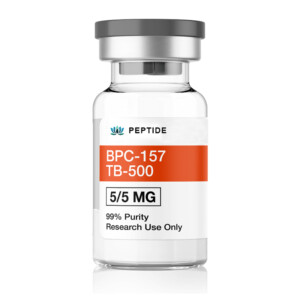
Lyophilized State Preservation Principles
In its freeze-dried or lyophilized powder state, Retatrutide exhibits significantly enhanced stability compared to liquid formulations, though it still requires controlled thermal boundaries. Standard laboratory guidelines recommend maintaining lyophilized peptide vials at or below negative twenty degrees Celsius to suppress residual chemical reactions and moisture absorption. Long-term archiving is frequently managed in specialized laboratory freezers set to negative eighty degrees Celsius. Furthermore, researchers must allow sealed vials to equilibrate completely to ambient room temperature before opening, a critical step that prevents warm laboratory air from contacting cold glass and introducing internal condensation that accelerates hydrolytic breakdown.
Minimizing Light and Thermal Stress Exposure
Peptide molecules featuring complex amino acid sequences and structural linkers remain inherently sensitive to optical radiation and fluctuating thermal conditions. Exposure to ultraviolet rays and intense ambient laboratory lighting can induce photochemical cleavage, gradually reducing sample purity over extended periods. Laboratories typically rely on amber-tinted glass containers or secondary opaque shielding to mitigate light exposure during routine storage. Additionally, transit conditions demand careful oversight; shipments utilizing validated cold-chain packaging maintain thermal stability during delivery, allowing research facilities to transfer materials directly into appropriate cold storage upon arrival.
Post-Reconstitution Storage and Handling Protocols
Once the lyophilized powder is reconstituted using an appropriate solvent, its chemical stability profile changes drastically, necessitating a shift in laboratory handling procedures. Reconstituted solutions must be maintained under standard refrigeration temperatures ranging from two to eight degrees Celsius, ideally positioned toward the back of the unit where temperature variations are minimized. Freezing a reconstituted peptide solution must be strictly avoided, because ice crystal formation mechanically disrupts molecular conformations and leads to precipitation upon thawing. Implementing an aliquoting protocol immediately after reconstitution helps minimize repeated vial access, reducing both contamination risks and cumulative thermal stress.
Batch Verification and Supply Chain Standards
Ensuring experimental validity extends past internal laboratory habits to encompass comprehensive batch verification and documentation provided by the supplier. Reliable supply chain partners furnish analytical documentation, including high-performance liquid chromatography and mass spectrometry data corresponding to specific production lots. Peptide Gurus maintains strict quality verification workflows, ensuring that research institutions receive fully documented materials backed by transparent analytical tracking. By depending on verified supply chains and rigorous handling guidelines, laboratories achieve high consistency across all downstream research applications.
Frequently Asked Questions
Question: What is the primary difference in storage requirements between lyophilized and reconstituted Retatrutide?
Answer: Lyophilized powder requires long-term storage at or below negative twenty degrees Celsius to maintain maximum stability, whereas a reconstituted solution must be kept refrigerated between two and eight degrees Celsius and never refrozen.
Question: Why must a cold vial reach room temperature before opening?
Answer: Allowing the container to equilibrate prevents ambient moisture from condensing inside the vial when warm air contacts cold glass, protecting the hygroscopic powder from premature degradation.
Question: How does Peptide Gurus support research laboratories with quality assurance?
Answer: Peptide Gurus provides detailed analytical testing documentation, such as high-performance liquid chromatography and mass spectrometry data for specific pro
PeptideGurus is a leading supplier of American-made research peptides, offering top-quality products at competitive prices. With a focus on excellence and customer service, they ensure a secure and convenient ordering process with global shipping.
© Copyright Peptide Gurus 2024. All rights reserved.Privacy Policy
All products on this site are for Research, Development use only. Products are Not for Human consumption of any kind. The statements made within this website have not been evaluated by the US Food and Drug Administration or HEALTH CANADA. The statements and the products of this company are not intended to diagnose, treat, cure or prevent any disease.
PeptideGurus is a chemical supplier. PeptideGurus is not a compounding pharmacy or chemical compounding facility as defined under 503A of the Federal Food, Drug, and Cosmetic act. Peptide Sciences is not an outsourcing facility as defined under 503B of the Federal Food, Drug, and Cosmetic act.
CONTACT