

An Overview of Retatrutide and Metabolic Function
Retatrutide has emerged as a prominent focus in the field of metabolic function research, and its potential in addressing metabolic disorders has attracted widespread attention from the scientific community. Metabolic function refers to the complex series of biochemical reactions in the human body that convert food into energy, maintain bodily functions, and regulate various physiological processes. When metabolic function is disrupted, it can lead to a range of health issues such as obesity, type 2 diabetes, and metabolic syndrome. Retatrutide, as a high-purity research peptide, has shown great promise in exploring solutions to these metabolic challenges.
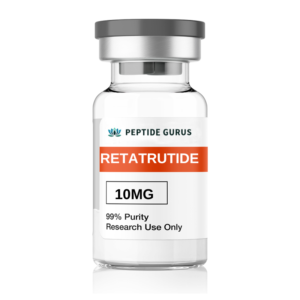
PeptideGurus is committed to providing top-quality research peptides, and our Retatrutide product stands out with a purity level of 99%. This high purity is crucial for research accuracy, as impure substances can interfere with experimental results and lead to misleading conclusions. Sourced from GMP-certified facilities, our Retatrutide adheres to strict quality control standards throughout the production process, ensuring that researchers receive reliable and consistent materials for their metabolic function studies.
The Mechanistic Basis of Retatrutide in Metabolic Research
To understand why Retatrutide is gaining attention in metabolic function research, it is essential to explore its underlying mechanisms of action. Metabolic disorders often involve abnormalities in hormone regulation, energy metabolism, and glucose and lipid processing. Retatrutide is believed to interact with specific receptors in the body that play key roles in these metabolic pathways.
One of the primary areas of interest is its potential to regulate appetite and energy expenditure. In metabolic research, controlling appetite and increasing energy consumption are critical for addressing obesity and related metabolic issues. Retatrutide may act on the central nervous system to suppress excessive hunger signals, thereby reducing calorie intake. At the same time, it could enhance thermogenesis, the process by which the body generates heat, and promote fat oxidation, helping to break down stored fat for energy. These mechanisms work together to restore balance to the body’s metabolic processes, making Retatrutide a valuable tool in studying metabolic function regulation.
For ordinary users, this can be simply understood as Retatrutide may help the body better control hunger and burn more calories, which is crucial for researching ways to improve metabolic health. It is important to note, however, that Retatrutide is currently intended for research use only, and its potential therapeutic applications are still under scientific investigation.
PeptideGurus Retatrutide Product Advantages for Research
When it comes to metabolic function research, the quality and reliability of research peptides are paramount. PeptideGurus Retatrutide offers several key advantages that make it an ideal choice for researchers.
First and foremost is the guaranteed 99% purity. As mentioned earlier, high purity is essential for accurate research results. Our Retatrutide undergoes rigorous third-party testing to verify its purity, as demonstrated in the test reports available on our website. This ensures that researchers are working with a consistent and high-quality product, minimizing the risk of experimental errors caused by impurities.
Additionally, our Retatrutide is manufactured in the United States and sourced from WHO/GMP and ISO 9001:2008 certified facilities. These certifications are a testament to the strict quality control measures implemented throughout the production process, from raw material sourcing to manufacturing and packaging. Researchers can have confidence in the safety and reliability of our product, knowing that it meets international quality standards.
We also offer convenient product forms, including 10mg and 20mg vials, to meet the diverse needs of different research projects. With USA stocked products and global shipping capabilities, researchers around the world can access our Retatrutide quickly and efficiently, ensuring that their research progresses without unnecessary delays.
Aligning Retatrutide Research with FDA Guidelines
In any research involving peptides, adherence to regulatory guidelines is of utmost importance. The FDA has established clear guidelines for the use of research peptides to ensure the safety and integrity of scientific research. PeptideGurus is committed to providing products that comply with these guidelines, and researchers using our Retatrutide can be confident that their work aligns with FDA requirements.
The FDA emphasizes the importance of using high-purity research peptides to ensure the validity of research results. Our 99% pure Retatrutide meets this critical requirement, as impure peptides can introduce variables that compromise the scientific rigor of studies. Additionally, the FDA requires proper documentation of peptide sourcing, manufacturing processes, and quality control measures. PeptideGurus maintains detailed records of all these aspects, providing researchers with the necessary documentation to demonstrate compliance with FDA guidelines.
Another key aspect of FDA guidelines is the proper handling and storage of research peptides. Retatrutide, like other peptides, is sensitive to environmental factors such as temperature and light. We provide clear storage instructions to ensure that the product maintains its stability and efficacy throughout the research process. By following these guidelines, researchers can not only ensure compliance with FDA regulations but also protect the quality of their research materials.
Emerging Research Directions for Retatrutide in Metabolic Health
The potential of Retatrutide in metabolic function research extends beyond its current known mechanisms. As scientific research continues to advance, new directions and applications for this peptide are emerging.
One promising area is the study of Retatrutide in the management of type 2 diabetes. Metabolic dysfunction is a key component of diabetes, and Retatrutide’s ability to regulate glucose metabolism and improve insulin sensitivity makes it a valuable candidate for further research. Preliminary studies suggest that Retatrutide may help lower blood glucose levels and reduce insulin resistance, offering a potential new approach to treating this prevalent metabolic disorder.
Another emerging research direction is the role of Retatrutide in addressing metabolic syndrome, a cluster of conditions that increase the risk of heart disease, stroke, and diabetes. Metabolic syndrome is characterized by abdominal obesity, high blood pressure, high blood sugar, and abnormal lipid levels. Retatrutide’s multifaceted effects on metabolism, including appetite regulation, fat oxidation, and energy expenditure, make it a promising tool for studying ways to prevent and manage this complex condition.
Furthermore, research is ongoing to explore the long-term effects of Retatrutide on metabolic health. Understanding how this peptide influences metabolic processes over time is crucial for evaluating its potential as a therapeutic agent. As more studies are conducted, we can expect to gain a deeper understanding of Retatrutide’s role in metabolic function and its potential applications in clinical settings.
Common Questions and Answers About Retatrutide in Metabolic Research
Is Retatrutide safe for metabolic function research?
When used in accordance with research protocols and FDA guidelines, Retatrutide is considered safe for research purposes. PeptideGurus Retatrutide is produced under strict quality control standards, ensuring high purity and minimizing the risk of adverse effects. However, it is important for researchers to follow proper handling and administration procedures to ensure safety.
What makes PeptideGurus Retatrutide different from other research peptides?
PeptideGurus Retatrutide stands out due to its 99% purity guarantee, sourcing from GMP-certified facilities, and compliance with international quality standards. Our product undergoes third-party testing to verify its purity and quality, providing researchers with a reliable and consistent research tool. Additionally, our global shipping capabilities and convenient product forms make it easy for researchers to access and use our Retatrutide.
Can Retatrutide be used for clinical applications currently?
No, Retatrutide is currently intended for research use only. While it shows great promise in metabolic function research, further clinical trials and studies are needed to evaluate its safety and efficacy for therapeutic applications. Researchers are working to gather more data on its potential clinical benefits, but it is not yet approved for use in humans as a treatment for metabolic disorders.
How should Retatrutide be stored to maintain its efficacy?
Retatrutide should be stored in a cool, dry place away from direct sunlight and extreme temperatures. It is recommended to store the peptide at 2-8°C (36-46°F) to maintain its stability. Avoid freezing the product unless specified in the storage instructions. Proper storage is crucial to ensure that Retatrutide retains its efficacy throughout the research process.
What research areas can benefit from using Retatrutide?
Retatrutide is particularly valuable for research in metabolic function, including studies on obesity, type 2 diabetes, metabolic syndrome, and glucose and lipid metabolism. Its ability to regulate appetite, promote fat oxidation, and enhance energy expenditure makes it a versatile tool for exploring various aspects of metabolic health. Researchers in academic institutions, pharmaceutical companies, and research laboratories can all benefit from using Retatrutide in their metabolic function studies.
PeptideGurus is a leading supplier of American-made research peptides, offering top-quality products at competitive prices. With a focus on excellence and customer service, they ensure a secure and convenient ordering process with global shipping.
CONTACT


