
• Vesugen peptide role in diabetes treatment
Vesugen peptide
X
Vesugen peptide
Contatto per ordine
Scrivici subito per effettuare il tuo ordine con supporto individuale. Scorte limitate! Accettiamo Zelle, CashApp, Venmo, bonifici bancari e criptovalute.
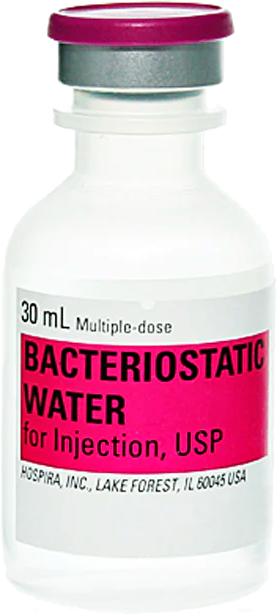
Acqua batteriostatica

Acqua batteriostatica libera (1) da 30 ml
con ordini qualificati$ 500 USD. (Esclude prodotti capsule, peptidi cosmetici, codici promozionali e spedizione)

Il Vesugen è un bioregolatore e un tripeptide geroprotettivo. La ricerca ha dimostrato di proteggere il sistema vascolare dagli effetti dell'invecchiamento limitando lo sviluppo dell'aterosclerosi e diminuendo la disfunzione globale delle cellule endoteliali. I sistemi sensibili al danno e al declino vascolari mostrano quindi gli effetti più evidenti della somministrazione di Vesugen. Questi sistemi includono il sistema nervoso centrale e il sistema cardiovascolare. Il Vesugen sembra svolgere un ruolo di primo piano nella regolazione dei livelli di proteina di Sirtuin 1. Sirtuin 1 ha effetti importanti sui processi metabolici e aiuta a ridurre gli effetti dell'invecchiamento. Sirtuin 1 è attivato a seguito della restrizione calorica e si ritiene quindi che sia una delle proteine ​​responsabili delle profonde effetti anti-invecchiamento associati alla restrizione calorica.
Utilizzo del prodotto:Questo prodotto è inteso solo come chimica di ricerca.Questa designazione consente l'uso di sostanze chimiche di ricerca rigorosamente solo per test in vitro e sperimentazione di laboratorio. Tutte le informazioni sul prodotto disponibili su questo sito Web sono solo a scopo educativo. L'introduzione corporea di qualsiasi tipo nell'uomo o negli animali è severamente vietata dalla legge. Questo prodotto dovrebbe essere gestito solo da professionisti autorizzati e qualificati. Questo prodotto non è un farmaco, un cibo o un cosmetico e potrebbe non essere maltrattato, utilizzato in modo improprio o erroneamente come droga, cibo o cosmetici.

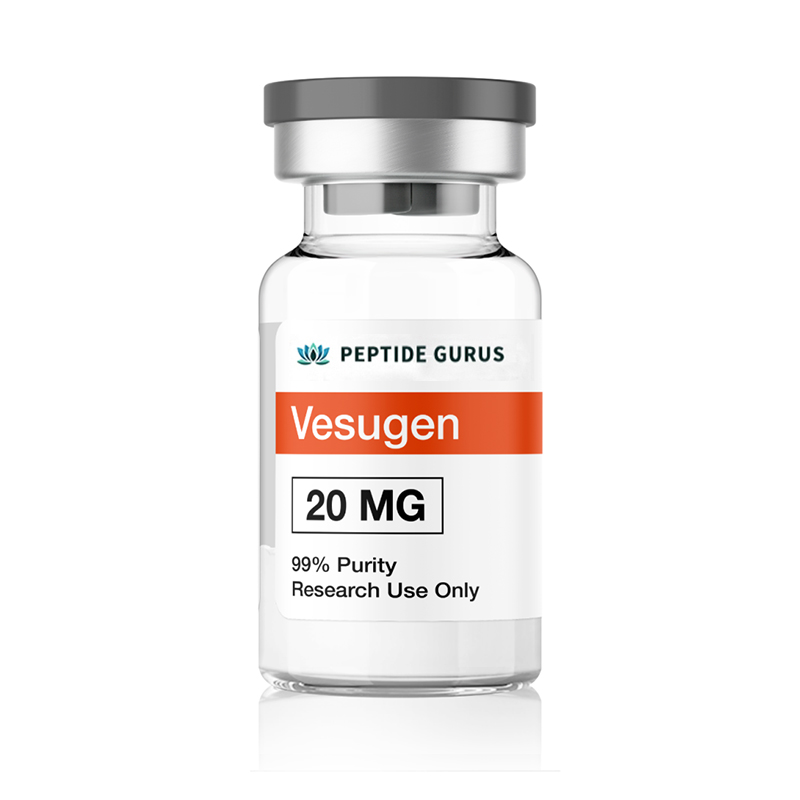
Vesugen

Vesugen (Lys-Glu-Asp) è un tripeptide con effetti primari sul sistema vascolare. Poiché il sistema vascolare è importante in tutto il corpo e in ogni processo metabolico, il Vesugen ha un impatto ampio. La ricerca mostra che può migliorare la sopravvivenza dei neuroni nel sistema nervoso centrale, ridurre l'aterosclerosi/rinnovamento per proteggere i vasi sanguigni e aumentare la sopravvivenza cellulare e la salute dei tessuti in tutto il corpo. Vi è anche ricerche che suggeriscono che il Vesugen può essere importante nella regolamentazione del comportamento di dipendenza e di ricompensa. Il Vesugen è un peptide anti-invecchiamento, in parte perché imita alcuni degli effetti della restrizione calorica. La restrizione calorica è stata a lungo intesa per promuovere la longevità.

Struttura di Vesugen

Sequenza di aminoacidi:Lys-Glu-Asp (KED)Formula molecolare:C15H26N4O8Peso molecolare:390.39 g/molPubchem cid: 87571363 Sinonimi:Acido aspartico di lisylglutamile, Schembl3767701, Chebi: 159909MoleculeFonte:Pubch

Vesugen 20mg e il cervello

Vesugen is a promising neuroprotective peptide with potential applications in the treatment of Alzheimer’s disease. Oral administration of the peptide to elderly individuals with functional disorders of the central nervous system (CNS) has resulted in improved memory in past experiments. The peptide has also been shown to restore synaptic plasticity, which is to say the ability of neurons to make and strengthen connections between themselves[1]. Like most bioregulatory peptides, Vesugen appears to regulate the expression of genes involved in apoptosis and neuron differentiation. Research shows that Vesugen has an impact on the genes for p16, p21, NES, GAP43, nestin, SUMO, APOE, and IGF1. Some of these peptides are involved in apoptosis (programmed cell death) of neurons while others are involved in neuron growth or have been shown to play a role in Alzheimer’s disease pathogenesis[1]. Research also shows that peptides like Vesugen, Epitalon, Pinealon, and Violon can reduce the effects of hypoxia (oxygen deprivation) in the central nervous system. They appear to do this by boosting anti-oxidative enzyme levels and thus helping to counteract the increase in neurotoxic reactive oxygen species that occurs when oxygen levels decline[2]. According to Dr. Linkova, a Russia specialist in aging and gerontology, this effect of Vesugen could not only be useful in the setting of hypoxic events like stroke or heart attack, but also in the setting of neonatal hypoxia during birth.MolecolaFonte:Pubch

Vasugen e vasi sanguigni

At least part of the reason that Vesugen protects the central nervous system comes down to the fact that it protects blood vessels from the clogging effects of atherosclerosis and therefore serves to maintain both the supply of nutrients to various tissues as well as the removal of waste products. The latter may be more important in long-term brain health given that research has shown the brain to produce high amounts of metabolic byproducts that, if not removed promptly, can be toxic to neurons. Having a robust blood supply helps to ensure neurons remain in a healthy environment. In fact, the bulk (though not all) of Vesugen’s geroprotective effects may boil down to its impact on vascular health. Research shows that Vesugen is effective in the treatment of atherosclerosis and other cardiovascular disorders, particularly in older individuals. It affects the expression of genes responsible for endothelial regulation and health. Endothelial cells are the cells that line the insides of blood vessels. Research in mice shows that Vesugen prevents the development of atherosclerosis and vascular stenosis (narrowing due to endothelial overgrowth) by normalizing endothelin-1 expression and increasing sirtuin 1 expression[3]. Sirtuin helps to prevent lipid production and stimulates the oxidation (burning) of fatty acids by altering transcription factors and thus controlling large numbers of genes. Research shows that it contributes to longevity, which means that Vesugen is, at least indirectly, and anti-aging peptide. The ability of Vesugen to prevent lipid peroxidation (a process that is different from oxidation) increases the stability of red blood cell membranes, which stabilizes the vasculature. This leads to a decrease in the percent of dead cells circulating through blood vessels (especially in the central nervous system) and may serve to reduce rates of apoptosis/necrosis[4]. Additional research reveals that Vesugen stimulates proliferation-associated protein Ki-67 in blood vessels and that levels of Vesugen naturally decline with age[5]. This would suggest that at least part of the reason that rates of vascular disease rise with age is not because of diet or environmental exposure, but simply because these cells start to lose protective mechanisms as Vesugen levels decline. Supplementation with Vesugen 20mg, which has been shown to be orally active, could help to prevent this age-related decline.

Vesugen e diabete

Vesugen 20mg, as pointed out in the section on blood vessel health, activates sirtuin 1, which has been shown to play important roles in insulin sensitivity. Research in mice shows that activation of sirtuin 1 by compounds like Vesugen or the antioxidant resveratrol, increase insulin sensitivity and helps to attenuate the insulin resistance caused by eating a high fat diet[6]. In addition to helping to regulate insulin sensitivity, sirtuin 1 has also been shown to affect the activity of PGC1-alpha and the ERR-alpha complex. These proteins are important regulators of large components of the metabolic pathway. Regulation of these pathways helps to improve overall metabolism and fight off the development of metabolic syndrome[7], [8].

Vesugen e dipendenza

La ricerca mostra che Sirtuin 1 fa parte di un grande complesso di proteine ​​che regolano il tipo D1 dei neuroni spinosi dopaminergici nel sistema nervoso centrale. Questi neuroni sono importanti nella patogenesi della dipendenza. Questi neuroni svolgono ruoli importanti nella motivazione, nella ricompensa e nella formazione di abitudini. La disfunzione di questi sistemi è legata alla dipendenza e alla schizofrenia e alla malattia di Parkinson. La capacità di regolare la loro funzione può fornire importanti nuovi strumenti nel trattamento di vari disturbi psichiatrici e neurologici.

Vesugen e invecchiamento

It has long been known that caloric restriction is a highly effective means of prolonging life. In fact, research suggests that calorie restriction may have the single largest impact on longevity of anything discovered to date. What is unclear, however, is exactly how calorie restriction produces this effect. At least part of the answer, it appears, comes down to changes in patterns of protein expression. Research shows that increases in sirtuin 1 that result from calorie restriction result in deactivation of the p53 protein. Down regulation of p53 function helps to slow the rate of apoptosis, which means that cells survive for longer. This is critical in tissue where cells are either slowly replaced (cardiac tissue) or are not replaced at all (neurons). In addition, sirutin 1 also stimulates the process of autophagy[9]. Autophagy is an important component of tissue health in which cellular components are recycled and renewed. This leads to improved functionality of cells and decreases the presence of waste materials and debris. Overall, the activation of sirtuin 1 helps to improve cell and tissue health both by helping cells with regular housekeeping duties and by prolonging survival. This effect can be achieved via fasting or calorie restriction, but these practices are not easy to maintain over a lifetime. Dr. Vladimir Khavinson, considered to be the father of bioregulator peptide investigation, Vesugen has the same effect as calorie restriction. Thus, the peptide may be a suitable alternative to achieving the effects of calorie restriction without actually restricting calories. Research on Vesugen indicates that it is, indeed, and anti-aging peptide. Administration of Vesugen to adults with polymorbidity and organic brain syndrome shows that the peptide has significant anabolic (tissue and cell building) effects. These anabolic effects lead to improved activity both in the central nervous system and throughout the body. Measurement of biological indicators of age reveals an overall slowing of the rate of aging in this setting. In some ways, Vesugen shows more potent geroprotective effects than the vaunted Pinealon peptide[10]. The two peptides are likely synergistic when administered in combination.

Riepilogo di Vesugen

Il Vesugen è un bioregolatore e un tripeptide geroprotettivo. Protegge il sistema vascolare dagli effetti dell'invecchiamento limitando lo sviluppo dell'aterosclerosi e diminuendo la disfunzione globale delle cellule endoteliali. I sistemi sensibili al danno e al declino vascolari mostrano quindi gli effetti più evidenti della somministrazione di Vesugen. Questi sistemi includono il sistema nervoso centrale e il sistema cardiovascolare. Il Vesugen sembra svolgere un ruolo di primo piano nella regolazione dei livelli di proteina di Sirtuin 1. Sirtuin 1 ha effetti importanti sui processi metabolici e aiuta a ridurre gli effetti dell'invecchiamento. Sirtuin 1 è attivato a seguito della restrizione calorica e si ritiene quindi che sia una delle proteine ​​responsabili delle profonde effetti anti-invecchiamento associati alla restrizione calorica.

Autore dell'articolo

La letteratura di cui sopra è stata studiata, modificata e organizzata dal Dr. E. Logan, M.D. Dr. E. Logan ha conseguito una laurea in dottoratoCase Western Reserve University School of Medicinee un B.S. in biologia molecolare.

Autore della rivista scientifica

Vladimir Khavinsonè professore, presidente della regione europea dell'Associazione internazionale di gerontologia e geriatria; Membro delAccademie russe e ucraine delle scienze mediche; Gerontologo principale del Comitato sanitario del governo di Saint Petersburg, Russia; Direttore del Saint Petersburg Institute of Bioregolation and Gerontology; Vicepresidente della società gerontologica delAccademia delle scienze russe; Capo del presidente della gerontologia e della geriatria dell'Università medica statale di Therath-Western, ST-PETERSBURG; Colonnello di Medical Service (URSS, Russia), in pensione.PeptideBioragolatori e per lo sviluppo della terapia peptidica bioregolatrice. È impegnato nello studio del ruolo dei peptidi nella regolazione dei meccanismi dell'invecchiamento. Il suo principale campo di azioni è la progettazione, gli studi pre-clinici e clinici di nuovo peptidegeroprotettori. A 40-year-long investigation resulted in a multitude of methods of application of peptide bioregulators to slow down the process of ageing and increase human life span. Six peptide-based pharmaceuticals and 64 peptide food supplements have been introduced into clinical practice by V. Khavinson. He is an author of 196 patents (Russian and international) as well as of 775 scientific publications.His major achievements are presented in two books: “Peptides and Ageing” (NEL, 2002)and “Gerontological aspects of genome peptide regulation” (Karger AG, 2005).Vladimir Khavinson introduced scientific specialty “Gerontology and Geriatrics” in the Russian Federation on the governmental level. Academic Council headed by V. Khavinson has oversighted over 200 Ph.D. and Doctorate theses from many different countries. Prof. Vladimir Khavinson is being referenced as one of the leading scientists involved in the research and development of Vesugen. In no way is this doctor/scientist endorsing or advocating the purchase, sale, or use of this product for any reason. There is no affiliation or relationship, implied or otherwise, between
Guru peptidicie questo dottore. Lo scopo di citare il medico è di riconoscere, riconoscere e accreditare gli sforzi esaustivi di ricerca e sviluppo condotti dagli scienziati che studiano questo peptide.

Citazioni di riferimento

    V. K. Khavinson, N. S. Lin’kova, and R. S. Umnov, “Peptide KED: Molecular-Genetic Aspects of Neurogenesis Regulation in Alzheimer’s Disease,”Bull. Exp. Biol. Med., vol. 171, no. 2, pp. 190–193, May 2021, doi: 10.1007/s10517-021-05192-6. L. S. Kozina, “[Investigation of antihypoxic properties of short peptides],”Adv. Gerontol. Uspekhi Gerontol., vol. 21, no. 1, pp. 61–67, 2008. K. L. Kozlovet al., “[Molecular aspects of vasoprotective peptide KED activity during atherosclerosis and restenosis],”Adv. Gerontol. Uspekhi Gerontol., vol. 29, no. 4, pp. 646–650, 2016. L. S. Kozina, A. V. Arutiunian, S. L. Stvolinskiĭ, and V. K. Khavinson, “[Biological activity of regulatory peptides in model experiments in vitro],”Adv. Gerontol. Uspekhi Gerontol., vol. 21, no. 1, pp. 68–73, 2008. V. K. Khavinson, S. I. Tarnovskaia, N. S. Lin’kova, E. O. Guton, and E. V. Elashkina, “[Epigenetic aspects of peptidergic regulation of vascular endothelial cell proliferation during aging],”Adv. Gerontol. Uspekhi Gerontol., vol. 27, no. 1, pp. 108–114, 2014. C. Sunet al., “SIRT1 improves insulin sensitivity under insulin-resistant conditions by repressing PTP1B,”Cell Metab., vol. 6, no. 4, pp. 307–319, Oct. 2007, doi: 10.1016/j.cmet.2007.08.014. S. Nemoto, M. M. Fergusson, and T. Finkel, “SIRT1 functionally interacts with the metabolic regulator and transcriptional coactivator PGC-1{alpha},”J. Biol. Chem., vol. 280, no. 16, pp. 16456–16460, Apr. 2005, doi: 10.1074/jbc.M501485200. M. Lagougeet al., “Resveratrol improves mitochondrial function and protects against metabolic disease by activating SIRT1 and PGC-1alpha,”Cell, vol. 127, no. 6, pp. 1109–1122, Dec. 2006, doi: 10.1016/j.cell.2006.11.013. I. H. Leeet al., “A role for the NAD-dependent deacetylase Sirt1 in the regulation of autophagy,”Proc. Natl. Acad. Sci. U. S. A., vol. 105, no. 9, pp. 3374–3379, Mar. 2008, doi: 10.1073/pnas.0712145105. V. N. Meshchaninov, E. L. Tkachenko, S. V. Zharkov, I. V. Gavrilov, and I. E. Katyreva, “[EFFECT OF SYNTHETIC PEPTIDES ON AGING OF PATIENTS WITH CHRONIC POLYMORBIDITY AND ORGANIC BRAIN SYNDROME OF THE CENTRAL NERVOUS SYSTEM IN REMISSION],”Adv. Gerontol. Uspekhi Gerontol., vol. 28, no. 1, pp. 62–67, 2015.
Tutti gli articoli e le informazioni sul prodotto fornite su questo sito Web sono solo a scopo informativo ed educativo.I prodotti offerti su questo sito Web sono forniti solo per studi in vitro. Studi in vitro (latino: in vetro) vengono eseguiti al di fuori del corpo. Questi prodotti non sono medicinali o farmaci e non sono stati approvati dalla FDA per prevenire, trattare o curare qualsiasi condizione medica, disturbo o malattia. L'introduzione corporea di qualsiasi tipo nell'uomo o negli animali è severamente vietata dalla legge.

Richiesta di indagine

Chi siamo

Peptidegurus è un fornitore leader di peptidi di ricerca di fabbricazione americana, che offre prodotti di alta qualità a prezzi competitivi. Con un focus sull'eccellenza e il servizio clienti, assicurano un processo di ordinazione sicuro e conveniente con la spedizione globale.

Richiedere un preventivo

  • Guru peptidici
  • info@peptidegurus.com
  • Glendale, è, USA
  • CONTATTO

    Richiesta di indagine