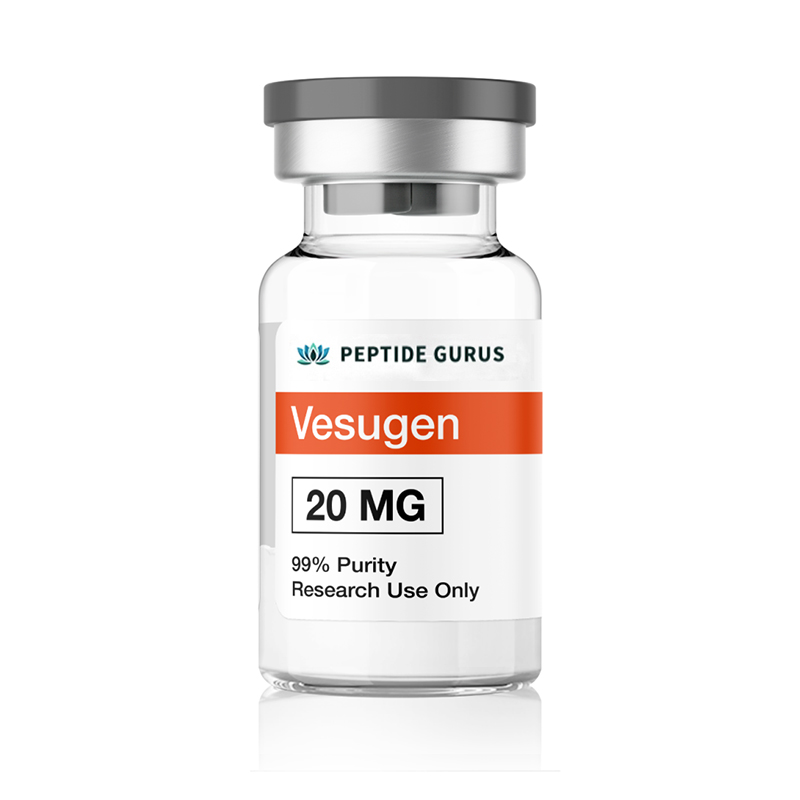
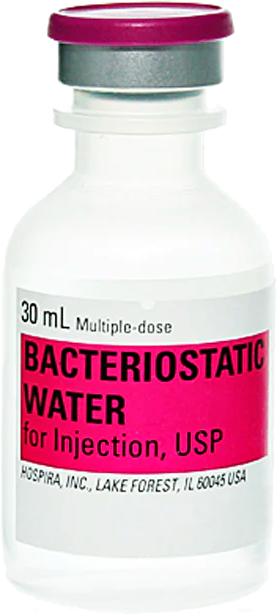
유리 (1) 30 ml 세균성 물 자격을 갖춘 주문이 있습니다$ 500 USD.
(캡슐 제품, 미용 펩티드, 프로모션 코드 및 배송 제외)
Vesugen은 생물 저하제 및 geroprotection tripeptide입니다. 연구에 따르면 죽상 동맥 경화증의 발달을 제한하고 전반적인 내피 세포 기능 장애를 감소시킴으로써 노화의 영향으로부터 혈관계를 보호하는 것이 밝혀졌다. 혈관 손상 및 감소에 민감한 시스템은 베시겐 관리의 가장 명백한 영향을 보여줍니다. 이 시스템에는 중추 신경계 및 심혈관 시스템이 포함됩니다. Vesugen은 Sirtuin 1 단백질 수준을 조절하는 데 두드러진 역할을하는 것으로 보입니다. Sirtuin 1은 대사 과정에 중요한 영향을 미치며 노화의 영향을 줄이는 데 도움이됩니다. 시르 투 인 1은 칼로리 제한의 결과로 활성화되므로 칼로리 제한과 관련된 심오한 노화 방지 효과를 담당하는 단백질 중 하나로 생각됩니다.
제품 사용 :이 제품은 연구 화학 물질로만 의도 된 것입니다.이 명칭은 시험 관내 시험 및 실험실 실험에만 연구 화학 물질을 엄격하게 사용할 수있게한다. 이 웹 사이트에서 제공되는 모든 제품 정보는 교육 목적으로 만 사용됩니다. 인간이나 동물에 어떤 종류의 신체적으로 소개되는 것은 법에 의해 엄격히 금지되어 있습니다. 이 제품은 라이센스가 부여 된 자격을 갖춘 전문가 만 처리해야합니다. 이 제품은 약물, 음식 또는 화장품이 아니며 약물, 음식 또는 화장품으로 잘못 브랜드화되거나 잘못 사용되거나 오해가되지 않을 수 있습니다.
베시겐
Vesugen (lys-glu-asp)은 혈관 시스템에 일차적 인 영향을 미치는 트리 펩티드입니다. 혈관 시스템은 신체 전체와 모든 대사 과정에서 중요하기 때문에 Vesugen은 광범위한 영향을 미칩니다. 연구에 따르면 중추 신경계에서 뉴런 생존율을 향상시키고, 죽상 동맥 경화증/재충소를 감소시켜 혈관을 보호하며, 신체 전체의 세포 생존 및 조직 건강을 증가시킬 수 있습니다. 또한 Vesugen이 중독성 및 보상 행동의 규제에 중요 할 수 있다고 제안하는 연구도 있습니다. Vesugen은 노화 방지 펩티드입니다. 부분적으로 칼로리 제한의 일부 효과를 모방하기 때문입니다. 칼로리 제한은 오랫동안 수명을 촉진하는 것으로 이해되어왔다.
Vesugen is a promising neuroprotective peptide with potential applications in the treatment of Alzheimer’s disease. Oral administration of the peptide to elderly individuals with functional disorders of the central nervous system (CNS) has resulted in improved memory in past experiments. The peptide has also been shown to restore synaptic plasticity, which is to say the ability of neurons to make and strengthen connections between themselves[1].
Like most bioregulatory peptides, Vesugen appears to regulate the expression of genes involved in apoptosis and neuron differentiation. Research shows that Vesugen has an impact on the genes for p16, p21, NES, GAP43, nestin, SUMO, APOE, and IGF1. Some of these peptides are involved in apoptosis (programmed cell death) of neurons while others are involved in neuron growth or have been shown to play a role in Alzheimer’s disease pathogenesis[1].
Research also shows that peptides like Vesugen, Epitalon, Pinealon, and Violon can reduce the effects of hypoxia (oxygen deprivation) in the central nervous system. They appear to do this by boosting anti-oxidative enzyme levels and thus helping to counteract the increase in neurotoxic reactive oxygen species that occurs when oxygen levels decline[2]. According to Dr. Linkova, a Russia specialist in aging and gerontology, this effect of Vesugen could not only be useful in the setting of hypoxic events like stroke or heart attack, but also in the setting of neonatal hypoxia during birth.원천:Pubch
베수겐과 혈관
At least part of the reason that Vesugen protects the central nervous system comes down to the fact that it protects blood vessels from the clogging effects of atherosclerosis and therefore serves to maintain both the supply of nutrients to various tissues as well as the removal of waste products. The latter may be more important in long-term brain health given that research has shown the brain to produce high amounts of metabolic byproducts that, if not removed promptly, can be toxic to neurons. Having a robust blood supply helps to ensure neurons remain in a healthy environment. In fact, the bulk (though not all) of Vesugen’s geroprotective effects may boil down to its impact on vascular health.
Research shows that Vesugen is effective in the treatment of atherosclerosis and other cardiovascular disorders, particularly in older individuals. It affects the expression of genes responsible for endothelial regulation and health. Endothelial cells are the cells that line the insides of blood vessels. Research in mice shows that Vesugen prevents the development of atherosclerosis and vascular stenosis (narrowing due to endothelial overgrowth) by normalizing endothelin-1 expression and increasing sirtuin 1 expression[3]. Sirtuin helps to prevent lipid production and stimulates the oxidation (burning) of fatty acids by altering transcription factors and thus controlling large numbers of genes. Research shows that it contributes to longevity, which means that Vesugen is, at least indirectly, and anti-aging peptide.
The ability of Vesugen to prevent lipid peroxidation (a process that is different from oxidation) increases the stability of red blood cell membranes, which stabilizes the vasculature. This leads to a decrease in the percent of dead cells circulating through blood vessels (especially in the central nervous system) and may serve to reduce rates of apoptosis/necrosis[4].
Additional research reveals that Vesugen stimulates proliferation-associated protein Ki-67 in blood vessels and that levels of Vesugen naturally decline with age[5]. This would suggest that at least part of the reason that rates of vascular disease rise with age is not because of diet or environmental exposure, but simply because these cells start to lose protective mechanisms as Vesugen levels decline. Supplementation with Vesugen 20mg, which has been shown to be orally active, could help to prevent this age-related decline.
베수겐과 당뇨병
Vesugen 20mg, as pointed out in the section on blood vessel health, activates sirtuin 1, which has been shown to play important roles in insulin sensitivity. Research in mice shows that activation of sirtuin 1 by compounds like Vesugen or the antioxidant resveratrol, increase insulin sensitivity and helps to attenuate the insulin resistance caused by eating a high fat diet[6].
In addition to helping to regulate insulin sensitivity, sirtuin 1 has also been shown to affect the activity of PGC1-alpha and the ERR-alpha complex. These proteins are important regulators of large components of the metabolic pathway. Regulation of these pathways helps to improve overall metabolism and fight off the development of metabolic syndrome[7], [8].
베수겐과 중독
연구에 따르면 Sirtuin 1은 중추 신경계에서 도파민 성 가시 뉴런의 D1- 타입을 조절하는 큰 단백질의 일부입니다. 이 뉴런은 중독의 발병에 중요합니다. 이 뉴런은 동기 부여, 보상 및 습관 형성에서 중요한 역할을합니다. 이 시스템의 기능 장애는 파킨슨 병뿐만 아니라 중독 및 정신 분열증과 관련이 있습니다. 기능을 조절하는 능력은 다양한 정신과 및 신경 학적 장애의 치료에 중요한 새로운 도구를 제공 할 수 있습니다.
베수겐과 노화
It has long been known that caloric restriction is a highly effective means of prolonging life. In fact, research suggests that calorie restriction may have the single largest impact on longevity of anything discovered to date. What is unclear, however, is exactly how calorie restriction produces this effect.
At least part of the answer, it appears, comes down to changes in patterns of protein expression. Research shows that increases in sirtuin 1 that result from calorie restriction result in deactivation of the p53 protein. Down regulation of p53 function helps to slow the rate of apoptosis, which means that cells survive for longer. This is critical in tissue where cells are either slowly replaced (cardiac tissue) or are not replaced at all (neurons).
In addition, sirutin 1 also stimulates the process of autophagy[9]. Autophagy is an important component of tissue health in which cellular components are recycled and renewed. This leads to improved functionality of cells and decreases the presence of waste materials and debris.
Overall, the activation of sirtuin 1 helps to improve cell and tissue health both by helping cells with regular housekeeping duties and by prolonging survival. This effect can be achieved via fasting or calorie restriction, but these practices are not easy to maintain over a lifetime. Dr. Vladimir Khavinson, considered to be the father of bioregulator peptide investigation, Vesugen has the same effect as calorie restriction. Thus, the peptide may be a suitable alternative to achieving the effects of calorie restriction without actually restricting calories.
Research on Vesugen indicates that it is, indeed, and anti-aging peptide. Administration of Vesugen to adults with polymorbidity and organic brain syndrome shows that the peptide has significant anabolic (tissue and cell building) effects. These anabolic effects lead to improved activity both in the central nervous system and throughout the body. Measurement of biological indicators of age reveals an overall slowing of the rate of aging in this setting. In some ways, Vesugen shows more potent geroprotective effects than the vaunted Pinealon peptide[10]. The two peptides are likely synergistic when administered in combination.
베시겐 요약
Vesugen은 생물 저하제 및 geroprotection tripeptide입니다. 그것은 죽상 동맥 경화증의 발달을 제한하고 전반적인 내피 세포 기능 장애를 감소시킴으로써 노화의 영향으로부터 혈관계를 보호한다. 혈관 손상 및 감소에 민감한 시스템은 베시겐 관리의 가장 명백한 영향을 보여줍니다. 이 시스템에는 중추 신경계 및 심혈관 시스템이 포함됩니다. Vesugen은 Sirtuin 1 단백질 수준을 조절하는 데 두드러진 역할을하는 것으로 보입니다. Sirtuin 1은 대사 과정에 중요한 영향을 미치며 노화의 영향을 줄이는 데 도움이됩니다. 시르 투 인 1은 칼로리 제한의 결과로 활성화되므로 칼로리 제한과 관련된 심오한 노화 방지 효과를 담당하는 단백질 중 하나로 생각됩니다.
기사 저자
위의 문헌은 M.D. E. Logan 박사가 연구, 편집 및 조직했습니다. E. Logan 박사는 박사 학위를 취득했습니다.사례 서부 예비 대학교 의과 대학그리고 B.S. 분자 생물학에서.
과학 저널 저자
블라디미르 카빈슨노인과 노인 학회의 유럽 지역 회장, 교수입니다. 회원러시아 및 우크라이나 의학 아카데미; 러시아 피터스 버그 정부의 보건위원회의 주요 노인 학자; 상트 페테르부르크 생물 저지 및 노인학 연구소 소장; Gerontological Society의 부회장러시아 과학 아카데미; ST-Petersburg의 Genorth-Western State Medical University의 Gerontology 및 노인학 의장; 의료 서비스 대령 (USSR, 러시아), 은퇴.펩티드생물 조절제 및 생물 조절 펩티드 요법의 발달. 그는 노화 메커니즘의 조절에서 펩티드의 역할을 연구하고있다. 그의 주요 행동 분야는 새로운 펩티드의 설계, 전임상 및 임상 연구입니다.Geroprotectors. A 40-year-long investigation resulted in a multitude of methods of application of peptide bioregulators to slow down the process of ageing and increase human life span. Six peptide-based pharmaceuticals and 64 peptide food supplements have been introduced into clinical practice by V. Khavinson. He is an author of 196 patents (Russian and international) as well as of 775 scientific publications.His major achievements are presented in two books: “Peptides and Ageing” (NEL, 2002)and “Gerontological aspects of genome peptide regulation” (Karger AG, 2005).Vladimir Khavinson introduced scientific specialty “Gerontology and Geriatrics” in the Russian Federation on the governmental level. Academic Council headed by V. Khavinson has oversighted over 200 Ph.D. and Doctorate theses from many different countries.
Prof. Vladimir Khavinson is being referenced as one of the leading scientists involved in the research and development of Vesugen. In no way is this doctor/scientist endorsing or advocating the purchase, sale, or use of this product for any reason. There is no affiliation or relationship, implied or otherwise, between
펩티드 전문가그리고이 의사. 의사를 인용하는 목적은이 펩티드를 연구하는 과학자들이 수행 한 철저한 연구 개발 노력을 인정, 인식 및 인정하는 것입니다.
참조 인용
V. K. Khavinson, N. S. Lin’kova, and R. S. Umnov, “Peptide KED: Molecular-Genetic Aspects of Neurogenesis Regulation in Alzheimer’s Disease,”Bull. Exp. Biol. Med., vol. 171, no. 2, pp. 190–193, May 2021, doi: 10.1007/s10517-021-05192-6.
L. S. Kozina, “[Investigation of antihypoxic properties of short peptides],”Adv. Gerontol. Uspekhi Gerontol., vol. 21, no. 1, pp. 61–67, 2008.
K. L. Kozlovet al., “[Molecular aspects of vasoprotective peptide KED activity during atherosclerosis and restenosis],”Adv. Gerontol. Uspekhi Gerontol., vol. 29, no. 4, pp. 646–650, 2016.
L. S. Kozina, A. V. Arutiunian, S. L. Stvolinskiĭ, and V. K. Khavinson, “[Biological activity of regulatory peptides in model experiments in vitro],”Adv. Gerontol. Uspekhi Gerontol., vol. 21, no. 1, pp. 68–73, 2008.
V. K. Khavinson, S. I. Tarnovskaia, N. S. Lin’kova, E. O. Guton, and E. V. Elashkina, “[Epigenetic aspects of peptidergic regulation of vascular endothelial cell proliferation during aging],”Adv. Gerontol. Uspekhi Gerontol., vol. 27, no. 1, pp. 108–114, 2014.
C. Sunet al., “SIRT1 improves insulin sensitivity under insulin-resistant conditions by repressing PTP1B,”Cell Metab., vol. 6, no. 4, pp. 307–319, Oct. 2007, doi: 10.1016/j.cmet.2007.08.014.
S. Nemoto, M. M. Fergusson, and T. Finkel, “SIRT1 functionally interacts with the metabolic regulator and transcriptional coactivator PGC-1{alpha},”J. Biol. Chem., vol. 280, no. 16, pp. 16456–16460, Apr. 2005, doi: 10.1074/jbc.M501485200.
M. Lagougeet al., “Resveratrol improves mitochondrial function and protects against metabolic disease by activating SIRT1 and PGC-1alpha,”Cell, vol. 127, no. 6, pp. 1109–1122, Dec. 2006, doi: 10.1016/j.cell.2006.11.013.
I. H. Leeet al., “A role for the NAD-dependent deacetylase Sirt1 in the regulation of autophagy,”Proc. Natl. Acad. Sci. U. S. A., vol. 105, no. 9, pp. 3374–3379, Mar. 2008, doi: 10.1073/pnas.0712145105.
V. N. Meshchaninov, E. L. Tkachenko, S. V. Zharkov, I. V. Gavrilov, and I. E. Katyreva, “[EFFECT OF SYNTHETIC PEPTIDES ON AGING OF PATIENTS WITH CHRONIC POLYMORBIDITY AND ORGANIC BRAIN SYNDROME OF THE CENTRAL NERVOUS SYSTEM IN REMISSION],”Adv. Gerontol. Uspekhi Gerontol., vol. 28, no. 1, pp. 62–67, 2015.이 웹 사이트에 제공된 모든 기사 및 제품 정보는 정보 및 교육 목적으로 만 사용됩니다.이 웹 사이트에서 제공되는 제품은 투명한 연구를 위해 제공됩니다. 내역 연구 (라틴어 : 유리)는 신체 외부에서 수행됩니다. 이 제품은 의약품이나 약물이 아니며 FDA에 의해 의학적 상태, 질병 또는 질병을 예방, 치료 또는 치료하기 위해 승인되지 않았습니다. 인간이나 동물에 어떤 종류의 신체적으로 소개되는 것은 법에 의해 엄격히 금지되어 있습니다.