

• gonadorelin peptide benefits and side effects
gonadorelin peptide benefits and side effects
X
gonadorelin peptide benefits and side effects

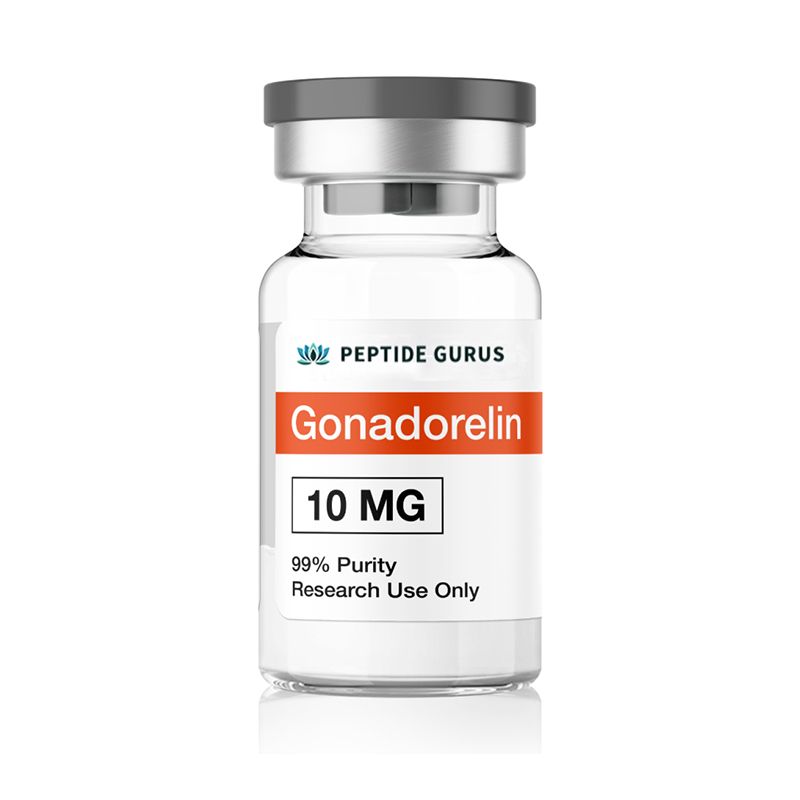
ゴナドレリン10mg

カテゴリ:,

注文するには連絡先
今すぐメールでご注文をし、1対1のサポートでご注文いたします。在庫が限られています!Zelle、CashApp、Venmo、銀行振込、暗号通貨もご利用いただけます。
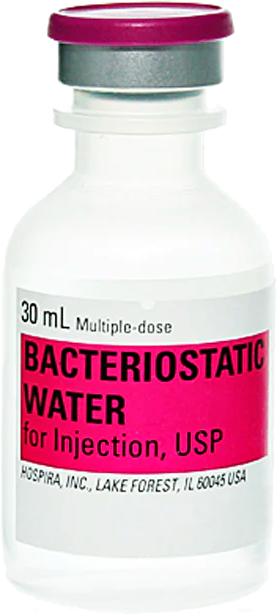
細菌水

遊離(1)30 mlの細菌性水
資格のある注文があります500米ドル. (カプセル製品、化粧品ペプチド、プロモーションコード、出荷を除く)

ゴナドレリンは、不妊症と性腺機能低下症の治療に利益を示したゴナドトロピン放出ホルモンアゴニストです。最近の研究では、ゴナドレリンは乳がんや前立腺癌の成長を遅らせるのに役立つ可能性があることが示唆されています。研究はまた、アルツハイマー病の治療において有望であることが示されています。
製品の使用:この製品は、研究化学物質としてのみ意図されています。この指定により、in vitroテストと実験室の実験のために、研究化学物質を厳密に使用することができます。このウェブサイトで利用可能なすべての製品情報は、教育目的のみを目的としています。あらゆる種類の人間や動物への身体導入は、法律によって厳密に禁じられています。この製品は、認可された資格のある専門家によってのみ処理される必要があります。この製品は薬物、食品、または化粧品ではなく、薬物、食品、化粧品として誤ってブランド化されたり、誤用されたり、誤ったりしたりすることはない場合があります。

ゴナドレリンとは何ですか?

ゴナドレリン(GNRH)は、デカペプチドのゴナドトロピン放出ホルモンアゴニストです。黄体形成ホルモンと卵胞刺激ホルモンの合成と放出を刺激します。それは、不妊症、月経周期の不規則性、および性腺機能低下症を治療するために人間の医学で使用されています。また、下垂体機能の評価において診断剤として使用されます。進行中の研究により、乳がんや前立腺癌治療におけるゴナドレリンの潜在的な用途、およびアルツハイマー病が発見されました。

ゴナドレリン構造

Gonadorelin Structureソース:パブ 順序:Pyr-his-trp-ser-tyr-gly-leu-arg-pro-gly分子式:c55h75n17o13 分子量:1182.311 g/molPubchem cid: 638793 CAS番号:9034-40-6同義語:成長ホルモン放出因子、ソマトクリニン、ソマトリベリン

ゴナドレリン効果

ゴナドレリンの研究と乳がん予防

Research suggests that having a higher life-time exposure to estrogen may increase a woman’s chance of developing breast cancer. Women who start their period at a younger age, go through menopause at a later age, take estrogen-containing birth control, or have menopausal hormone replacement therapy all have a higher risk of developing breast cancer. Thankfully, in the case of birth control, the risk diminishes when the pills are no longer taken and eventually the increased risk returns to baseline. Of course, birth control is a double-edged sword because even though its use increases risk of breast cancer, it decreases risk of ovarian cancer. Some breast cancer cells require estrogen to grow and minimizing estrogen production or blocking estrogen receptors has long been an established method for treating certain forms of breast cancer. Research into gonadorelin shows that it can be used to suppress ovarian production of estrogen and that this may be a means of preventing breast cancer in the first place. This concept is based on the idea that some women, due to genetic and environmental factors, are at higher risk of developing breast cancer in their postmenopausal years. The use of gonadorelin in this setting is safe and cost-effective, making it an attractive means of reducing cancer burden[1]。研究では、ゴナドレリンを10年間使用すると乳がんのリスクが50%も減り、15年間使用するとリスクを70%減らすことができることが示唆されています。[2]. The benefits of gonadorelin do not stop at breast cancer prevention, however, Research indicates that adjuvant therapy with anti-estrogens reduces disease progression by as much as 50% in cases where cancer is sensitive to estrogen. Unfortunately, currently available treatments are limited in their efficacy because cancer cells tend to develop resistance to them over time. This resistance usually arises as a result of increased estrogen receptor expression, making it impossible to block every estrogen receptor without severe side effects. Gonadorelin could circumvent this problem by reducing estrogen expression in the first place. This would not only directly reduce growth of estrogen-sensitive cancer, it would boost the efficacy of receptor blocking medications and extend their useful lifespan[3]. Research in postmenopausal women with hyperandrogenism (too much estrogen) has revealed that long-term GnRH treatment reduces overall levels of estrogen and thus the risk of developing breast cancer. It does so without serious side effects and thus offers an alternative to the current therapy, which is surgical removal of the ovaries[4].

ゴナドレリン前立腺癌のブレークスルー

私たちが人気のある媒体によって信じるようになったにもかかわらず、前立腺癌は実際にはすべての癌の中で最もホルモン感受性です。これは問題があるように思えるかもしれませんが、実際には介入の機会を表しています。要するに、テストステロンの供給とその前立腺癌への誘導体を遮断することにより、成長を劇的に遅くし、それを完全に止めることさえ可能です。もちろん、課題はすべてのホルモンの流れを遮断することです。これにより、最初は攻撃的な前立腺がんの男性におけるtest丸の外科的除去につながりました。これは、ゴナドレリンの投与にすぐに置き換えられた手順が、同じように効果的で、潜在的に可逆的であることが判明したときに、すぐに置き換えられました。[5]. The use of GnRH in men suffering from prostate cancer began as far back as 1979 and was referred to as medical castration. This mode of treatment eventually led to an interesting finding, however, which is that some androgens are made locally in the prostate via a mechanism called intracrinology[6]。これは、もちろん、GNRH遮断が前立腺癌の治療に部分的にしか効果的であることを意味します。ゴナドレリンの助けを借りて、科学者は去勢耐性前立腺癌(CRPC)の治療のためにFDAによって受け入れられている2つの新薬を開発することができました。これらの薬は非常に重要であり、前立腺がんの進行と転移に対する新しい防御ラインを提供します。彼らは最終的に年配の男性の予防策として使用されるかもしれません[7]. The use of both gonadorelin and newer, localized drugs in the treatment of prostate cancer is referred to as combined androgen blockage (CAB). When combined with effective screening and early detection, CAB is one of the few therapies in the realm of oncology to offer a cure – not just remission, but a cure[8]。効果的に使用し、早期発見と組み合わせると、CABはすべての前立腺がんの99%を治すことができます。ゴナドレリンとGNRH類似体がテストステロンレベルに及ぼす影響The impact of gonadorelin and GnRH analogues on testosterone levels Source:PubMed

ゴナドレリンは認知症のリスクを減らす可能性があります

研究によると、性ホルモン、特にロイテン化ホルモン(LH)が、性的二形性または生殖能力の範囲外の方法で脳に作用することが示されています。実際、閉経期に発生するLHの関連する上昇は、アルツハイマー病の発生率の増加と相関しており、人間と動物の両方で記憶能力が低下しています。ラットでの慎重な研究により、LHは脳の主要な記憶中心である海馬に直接作用することがさらに明らかになりました。 LHを示すラットは、記憶のパフォーマンスと海馬の機能不全を減らし、LHブロッキング薬の投与により逆になる赤字である[9]. Further research on LH has revealed that higher levels of the hormone are associated with increased neuropathology. In particular, it has been revealed that LH promotes the development of plaques associated with Alzheimer’s[10]。 LHレベルを低下させることは、アルツハイマー病の進行を減らすのに役立つ可能性があることは理にかなっています。これは、脳のLH受容体を取り除くことでアミロイドの病理を改善し、ニューロンのような細胞の健康を維持するのに役立つことを示すマウスモデルでは、少なくとも部分的に生まれました。[11]. As it turns out, testosterone is beneficial to brain health and actually helps to preserve cognitive function. Thus, simply blocking the entire hypothalamic-pituitary-gondal axis is not necessarily an effective means of treating Alzheimer’s disease. That is why scientists have set out to test gonadorelin derivatives to discern if selective interference in LH production is possible and can have potential benefits. This research, while ongoing, has led to the understanding that leuprolide (a common medication used to treat uterine fibroids and a GnRH receptor agonist) is effective in decreasing the risk of Alzhimer’s compared to other gonadorelin analogues[12]。進行中の研究は、これが事実である理由を定義するのに役立ちますが、前立腺がんに対する非常に効果的なCAB治療を使用しようとしている男性は、がんとアルツハイマー病のどちらかを選択する必要はないことに注意することが重要です。この設定では、アルツハイマー病に関してCABのリスクを相殺するために、この設定でロイプロリドを使用できます。特に、レイプロリドが血清ゴナドトロフィンのレベルをダウンレギュレートする能力(特にLH)は、一般的にテストステロンの減少の効果を相殺するのに十分です[13]. New research is seeking to understand how gonadorelin and its analogues affect APOE and MS4A6A expression in Alzheimer’s disease. Both genetic loci are associated with late-onset Alzheimer’s disease, but research suggests that they need to operate in tandem to produce serious problems and that interfering with one gene loci or the other is enough to short-circuit the pathway to pathology. Gonadorelin affects this process of tandem interaction, but it isn’t clear how or why[14]。現在、研究者は、アルツハイマー病における遺伝子の相互作用がどのように中断されて状態を治療し、予防するかを理解するために取り組んでいます。ゴナドレリンは、その研究における重要なペプチドです。

ゴナドレリン研究

Gonadorelin is hardly a new peptide in the treatment of human and mammalian disease, but researchers are constantly uncovering new ways in which GnRH and GnRH analogues operate in both normal physiology as well as the development of disease. The discovery that gonadorelin can play a role in treating prostate cancer was a breakthrough that has allowed doctors to develop a cure so effective that fully 99% of people with prostate cancer can be cured if the disease is caught early enough. It looks like similar breakthroughs are on the horizon with the finding the gonadorelin and its down-stream hormones are substantial players in the pathways that lead to Alzheimer’s disease risk. Gonadorelin exhibits minimal side effects, low oral and excellent subcutaneous bioavailability in mice. Per kg dosage in mice does not scale to humans. Gonadorelin for sale at
ペプチドグル人間の消費ではなく、教育的および科学的研究のみに限定されています。あなたが認可された研究者である場合にのみ、ゴナドレリンを購入してください。

記事著者

上記の文献は、M.D。Logan博士によって研究、編集、および組織されました。ケースウエスタンリザーブ大学医学部とB.S.分子生物学で。

Scientific Journalの著者

Giorgio Secreto博士currently studies at the IRCCS National Cancer Institute in Italy. His accolades include, a 1963 High School degree, Maturità Classica 1969 Degree in Medicine and Surgery, University of Milan, Italy 1974 Degree Specialist in Endocrinology, University of Turin, Italy. Doctor Secreto has been working at the National Cancer Institute of Milan since 1970 up to now, after his retirement in December 2010. The role of androgens in breast cancer is his main field of study. He has been teacher at the Italian School of Senology (1989-1996), Associate Professor in Oncology, L.U.de.S. University, Lugano, Switzerland (1999-2008), and Associate Professor in Endocrinology, Nurses’ School, University of Milan (2003-2008). He is active member of the New York Academy of Sciences and the American Association for the Advancement of Sciences. He published about 100 papers, including a few that pertain to GnRH’s effects on the reduction of breast cancer via minimizing excessive androgens. Dr. Giorgio Secreto is being referenced as one of the leading scientists involved in the research and development of Gonadorelin. In no way is this doctor/scientist endorsing or advocating the purchase, sale, or use of this product for any reason. There is no affiliation or relationship, implied or otherwise, between
ペプチドグルそしてこの医者。医師を引用する目的は、このペプチドを研究している科学者が実施した徹底的な研究開発努力を認め、認識し、称賛することです。 Secreto博士は、参照された引用の下に[1]および[3]にリストされています。

参照された引用

    G. Secreto et al., “A novel approach to breast cancer prevention: reducing excessive ovarian androgen production in elderly women,” Breast Cancer Res. Treat., vol. 158, no. 3, pp. 553–561, 2016. D. V. Spicer and M. C. Pike, “Sex steroids and breast cancer prevention,” J. Natl. Cancer Inst. Monogr., no. 16, pp. 139–147, 1994. G. Secreto, P. Muti, M. Sant, E. Meneghini, and V. Krogh, “Medical ovariectomy in menopausal breast cancer patients with high testosterone levels: a further step toward tailored therapy,” Endocr. Relat. Cancer, vol. 24, no. 11, pp. C21–C29, 2017. E. S. Vollaard, A. P. van Beek, F. A. J. Verburg, A. Roos, and J. A. Land, “Gonadotropin-releasing hormone agonist treatment in postmenopausal women with hyperandrogenism of ovarian origin,” J. Clin. Endocrinol. Metab., vol. 96, no. 5, pp. 1197–1201, May 2011. F. Labrie, “Hormonal therapy of prostate cancer,” Prog. Brain Res., vol. 182, pp. 321–341, 2010. F. Labrie, “GnRH agonists and the rapidly increasing use of combined androgen blockade in prostate cancer,” Endocr. Relat. Cancer, vol. 21, no. 4, pp. R301-317, Aug. 2014. F. Labrie, “Combined blockade of testicular and locally made androgens in prostate cancer: a highly significant medical progress based upon intracrinology,” J. Steroid Biochem. Mol. Biol., vol. 145, pp. 144–156, Jan. 2015. F. Labrie, “[Keyrole of endocrinology in the victory against prostate cancer],” Bull. Cancer (Paris), vol. 93, no. 9, pp. 949–958, Sep. 2006. V. Burnham, C. Sundby, A. Laman-Maharg, and J. Thornton, “Luteinizing hormone acts at the hippocampus to dampen spatial memory,” Horm. Behav., vol. 89, pp. 55–63, 2017. C. V. Rao, “Involvement of Luteinizing Hormone in Alzheimer Disease Development in Elderly Women,” Reprod. Sci. Thousand Oaks Calif, vol. 24, no. 3, pp. 355–368, 2017. J. Lin et al., “Genetic ablation of luteinizing hormone receptor improves the amyloid pathology in a mouse model of Alzheimer disease,” J. Neuropathol. Exp. Neurol., vol. 69, no. 3, pp. 253–261, Mar. 2010. R. L. Bowen, T. Butler, and C. S. Atwood, “Not All Androgen Deprivation Therapies Are Created Equal: Leuprolide and the Decreased Risk of Developing Alzheimer’s Disease,” J. Clin. Oncol., vol. 34, no. 23, p. 2800, Aug. 2016. M. A. Smith, R. L. Bowen, R. Q. Nguyen, G. Perry, C. S. Atwood, and A. A. Rimm, “Putative Gonadotropin-Releasing Hormone Agonist Therapy and Dementia: An Application of Medicare Hospitalization Claims Data,” J. Alzheimers Dis. JAD, vol. 63, no. 4, pp. 1269–1277, 2018. A. Cáceres, J. E. Vargas, and J. R. González, “APOE and MS4A6A interact with GnRH signaling in Alzheimer’s disease: Enrichment of epistatic effects,” Alzheimers Dement. J. Alzheimers Assoc., vol. 13, no. 4, pp. 493–497, Apr. 2017.
このウェブサイトで提供されるすべての記事と製品情報は、情報および教育目的のみを目的としています。このウェブサイトで提供される製品は、ビトロ内の研究のためにのみ提供されています。 in-vitro研究(ラテン語:ガラス)は体の外側で行われます。これらの製品は薬や薬ではなく、病状、病気、病気を予防、治療、治療するためにFDAによって承認されていません。あらゆる種類の人間や動物への身体導入は、法律によって厳密に禁じられています。

お問い合わせをリクエストしてください

私たちについて

Peptidegurusは、アメリカ製の研究ペプチドの大手サプライヤーであり、競争力のある価格で最高品質の製品を提供しています。卓越性と顧客サービスに重点を置いて、彼らはグローバルな配送で安全で便利な注文プロセスを保証します。

見積もりをリクエストしてください

  • ペプチドグル
  • info@peptidegurus.com
  • グレンデール、それは、アメリカ
  • 接触

    お問い合わせをリクエストしてください