

What Is Research Grade Retatrutide Peptide?
Research grade Retatrutide peptide is a cutting-edge polypeptide compound that has gained significant attention in the field of biochemical and medical research. As a triple hormone receptor agonist, it targets three key receptors in the body: the Glucose-Dependent Insulinotropic Polypeptide Receptor (GIPR), the Glucagon-Like Peptide-1 Receptor (GLP-1R), and the Glucagon Receptor (GCGR). This unique mechanism of action sets it apart from many other research peptides, making it a valuable tool for studying metabolic disorders, obesity, and related conditions.
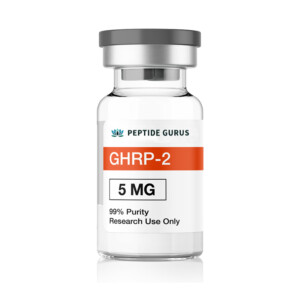
At PeptideGurus, our research grade Retatrutide peptide is sourced from manufacturers certified by WHO/GMP and ISO 9001:2008, ensuring the highest standards of quality and purity. Each batch of our Retatrutide peptide boasts a purity level of 99%, which is crucial for reliable and reproducible research results. The product is available in a 10mg formulation, specifically labeled for research use only, aligning with the strict guidelines for research-grade substances.
Retatrutide peptide is composed of 39 amino acids, and its structure is optimized to effectively activate the three target receptors. This structural design allows researchers to explore its potential in regulating energy metabolism, glucose homeostasis, and lipid metabolism—areas of study that are vital for addressing global health challenges such as obesity and type 2 diabetes.
Key Features of PeptideGurus’ Research Grade Retatrutide Peptide
High Purity Guarantee
Purity is a non-negotiable factor when it comes to research-grade peptides, and our Retatrutide peptide delivers on this front. With a guaranteed purity of 99%, it minimizes the risk of contaminants interfering with research outcomes. Contaminants in peptide samples can lead to false results, wasted time, and resources, which is why we prioritize rigorous purification processes. Our manufacturing partners use advanced peptide synthesis and purification technologies, followed by third-party testing to verify the purity of each batch. This commitment to high purity ensures that researchers can trust the integrity of their data when using our Retatrutide peptide.
Compliance with Quality Standards
PeptideGurus takes pride in adhering to the most stringent quality standards in the industry. Our research grade Retatrutide peptide is produced in facilities that meet WHO/GMP and ISO 9001:2008 certifications. These certifications cover every aspect of the manufacturing process, from raw material sourcing to final packaging. The GMP (Good Manufacturing Practices) guidelines ensure that the production environment is controlled, equipment is properly calibrated, and personnel are trained to maintain consistent quality. ISO 9001:2008 certification, on the other hand, focuses on quality management systems, ensuring that we have processes in place to monitor, evaluate, and improve our product quality continuously. By choosing our Retatrutide peptide, researchers are selecting a product that meets global quality benchmarks.
Convenient Formulation and Storage
Our research grade Retatrutide peptide is available in a 10mg vial, a dosage form that is convenient for most laboratory research applications. The vial packaging is designed to protect the peptide from light, moisture, and contamination, preserving its stability and biological activity. When it comes to storage, Retatrutide peptide should be kept at -20°C, a standard storage condition for many peptides to prevent degradation. Proper storage is essential for maintaining the peptide’s integrity over time, and we provide clear storage instructions to help researchers maximize the shelf life of the product. Additionally, our product is stocked in warehouses across the USA, Europe, Canada, the UK, and Mexico, enabling fast and reliable delivery to researchers worldwide. This ensures that researchers can access the peptide quickly, minimizing delays in their research projects.
Research Applications of Retatrutide Peptide
Obesity Research
Obesity is a major global health issue, and Retatrutide peptide has emerged as a promising tool for studying its underlying mechanisms and potential treatment strategies. Its ability to activate GIPR, GLP-1R, and GCGR works synergistically to address obesity from multiple angles. Activation of GLP-1R helps reduce appetite and slow down gastric emptying, leading to decreased food intake. GIPR activation enhances insulin sensitivity and may further contribute to weight loss by regulating lipid metabolism. GCGR activation, on the other hand, promotes energy expenditure and reduces fat accumulation in the liver.
In preclinical and early clinical research, Retatrutide peptide has shown impressive results in reducing body weight and body fat percentage. For example, in some research studies, it has demonstrated the potential to reduce body weight by up to 24.2% over a specific period, making it a valuable asset for researchers investigating new approaches to obesity management. By using our research grade Retatrutide peptide, researchers can delve deeper into the molecular and physiological processes involved in weight regulation, paving the way for the development of more effective obesity treatments.
Type 2 Diabetes Research
Type 2 diabetes is characterized by insulin resistance and impaired glucose metabolism, and Retatrutide peptide’s triple receptor agonist activity makes it relevant for research in this area. Activation of GLP-1R stimulates the secretion of insulin from pancreatic beta cells, which helps lower blood glucose levels. GIPR activation further enhances insulin sensitivity, allowing cells to better utilize glucose for energy. GCGR activation plays a role in regulating glucose production in the liver, preventing excessive glucose release into the bloodstream.
Research using Retatrutide peptide has shown its potential to reduce glycated hemoglobin (HbA1c) levels, a key marker of long-term glucose control. In some studies, it has been observed to lower HbA1c by 2.5%-3.0%, which is a significant improvement compared to some traditional oral 降糖药物 (hypoglycemic drugs). This makes it an important research tool for understanding the complex pathways involved in type 2 diabetes and exploring new therapeutic targets. Our high-purity Retatrutide peptide enables researchers to conduct detailed studies on its effects on pancreatic function, insulin signaling, and glucose homeostasis, advancing the search for better diabetes treatments.
Metabolic Disorder Research
Beyond obesity and type 2 diabetes, Retatrutide peptide is also valuable for research into a range of other metabolic disorders, such as non-alcoholic fatty liver disease (NAFLD) and metabolic syndrome. NAFLD is characterized by the accumulation of fat in the liver, and Retatrutide peptide’s GCGR activation has been shown to reduce liver fat content in research models. This effect is thought to be due to increased fat breakdown and decreased fat synthesis in the liver.
Metabolic syndrome is a cluster of conditions that include high blood pressure, high blood sugar, abnormal cholesterol levels, and excess abdominal fat. Retatrutide peptide’s ability to regulate multiple metabolic pathways makes it a useful tool for studying how these conditions interact and how they can be targeted simultaneously. By using our research grade Retatrutide peptide, researchers can explore the peptide’s impact on various metabolic parameters, such as lipid profiles, blood pressure, and inflammatory markers, providing insights into the development and treatment of metabolic syndrome.
Compliance with FDA Guidelines for Research Peptides
The Food and Drug Administration (FDA) has established clear guidelines for the use and handling of research peptides to ensure the safety of researchers and the validity of research data. PeptideGurus is committed to full compliance with these guidelines, and our research grade Retatrutide peptide meets all relevant FDA requirements.
One of the key FDA guidelines for research peptides is the requirement for proper labeling. Our Retatrutide peptide is clearly labeled as “Research Use Only,” with no indication of human or animal therapeutic use. This labeling is in line with FDA regulations, which prohibit the promotion or use of research-grade substances for non-research purposes. Additionally, the product label includes detailed information about the peptide’s composition, purity, storage conditions, and batch number, allowing for full traceability—a requirement that helps ensure accountability and quality control.
The FDA also emphasizes the importance of quality control in the manufacturing of research peptides. As mentioned earlier, our Retatrutide peptide is produced by manufacturers certified by WHO/GMP and ISO 9001:2008, which are standards that align with FDA expectations for good manufacturing practices. The FDA requires that research peptides be manufactured using processes that are consistent, controlled, and documented, and our manufacturing partners adhere to these principles. Each batch of Retatrutide peptide undergoes rigorous testing, including purity analysis, identity verification, and stability testing, to ensure it meets the required specifications. The results of these tests are documented in a Certificate of Analysis (CoA), which is available to researchers upon request. This documentation is essential for demonstrating compliance with FDA guidelines and for supporting the reproducibility of research results.
Furthermore, the FDA has guidelines regarding the import and export of research peptides. PeptideGurus has established procedures to ensure that the shipment of our Retatrutide peptide complies with all applicable FDA regulations, as well as international shipping requirements. This includes proper documentation, such as customs declarations and certificates of origin, to facilitate the smooth and legal transport of the product. By complying with these guidelines, we ensure that researchers around the world can access our Retatrutide peptide without encountering regulatory barriers.
Frequently Asked Questions (FAQs) about Research Grade Retatrutide Peptide
Is there any information available about the potential side effects of research grade Retatrutide peptide in research models?
While research grade Retatrutide peptide is intended for laboratory research, some preclinical studies have reported potential side effects in research models, most commonly mild gastrointestinal reactions such as nausea, diarrhea, and vomiting. These side effects are often dose-dependent, meaning they may be more severe at higher doses. Additionally, some studies have observed a slight increase in heart rate in research models, although this effect may diminish over time. It is important to note that the side effects observed in research models may not directly translate to humans or other species, and researchers should always follow ethical guidelines and safety protocols when working with the peptide. Detailed information about any observed side effects in relevant research literature can be found through scientific databases, and our team is also available to provide guidance based on the information we have.
How can I verify the purity of the research grade Retatrutide peptide I purchase from PeptideGurus?
PeptideGurus provides a Certificate of Analysis (CoA) for each batch of research grade Retatrutide peptide. The CoA includes the results of purity testing, which is conducted using advanced analytical techniques such as High-Performance Liquid Chromatography (HPLC) or Liquid Chromatography-Mass Spectrometry (LC-MS). These techniques are highly sensitive and accurate, allowing for the precise measurement of the peptide’s purity. You can request the CoA for your specific batch at the time of purchase or at any later date. Additionally, if you wish to conduct independent testing, you can send a sample of the peptide to a qualified analytical laboratory for verification. Our team is happy to provide guidance on how to properly collect and send a sample for testing.
Does PeptideGurus offer technical support for researchers using Retatrutide peptide in their studies?
Yes, PeptideGurus is committed to supporting researchers in their work. Our team of technical experts has extensive knowledge of research peptides, including Retatrutide peptide, and is available to answer questions related to the peptide’s properties, handling, application, and troubleshooting. Whether you need advice on experimental design, assistance with interpreting data, or information about compatible research techniques, we are here to help. You can contact our technical support team via email or phone, and we strive to provide prompt and helpful responses to ensure your research progresses smoothly.
Chinese Summary
This blog, titled “Research Grade Retatrutide Peptide”, serves as a comprehensive guide to research-grade Retatrutide peptide. It first explains what research-grade Retatrutide peptide is, noting it is a triple hormone receptor agonist targeting GIPR, GLP-1R, and GCGR, with PeptideGurus’ product sourced from certified manufacturers and having 99% purity. Then, it highlights the key features of PeptideGurus’ Retatrutide peptide, including high purity, compliance with quality standards, and convenient formulation and storage. Next, it details the peptide’s research applications in obesity, type 2 diabetes, and other metabolic disorders. It also emphasizes compliance with FDA guidelines in terms of labeling, quality control, and shipment. Finally, it answers common questions from users, such as whether the peptide can be used for treatment, storage duration and consequences of improper storage, potential side effects in research models, purity verification methods, and availability of technical support. The blog aims to provide professional yet accessible information for researchers using this peptide.
PeptideGurus is a leading supplier of American-made research peptides, offering top-quality products at competitive prices. With a focus on excellence and customer service, they ensure a secure and convenient ordering process with global shipping.
CONTACT


