Super MIC B Vitamin – Premium Injection-Grade Nutrient Blend

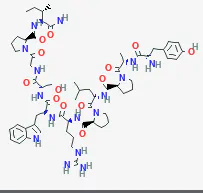
Our Super MIC B Vitamin formula is a lab-verified, high-potency blend designed for clinical use and advanced supplementation protocols. This meticulously balanced formula includes essential B vitamins, amino acids, and metabolic cofactors to support energy metabolism, liver health, and neurological function.

Each bottle is tested by AZLAB using advanced LCMS and HPLC methods, ensuring purity, accuracy, and compliance with industry standards. It is ideal for use in weight management clinics, anti-aging practices, and wellness centers seeking pharmaceutical-grade ingredients with traceable lab certification.

Clinically Tested Ingredients per Serving:

Trusted by healthcare professionals, this formula supports enhanced fat metabolism, liver detoxification, and cognitive function.


2. Introduction

High-Potency MIC+B Complex Verified by AZLAB

PeptideGurus presents Super MIC B Vitamin, a comprehensive blend of metabolic cofactors designed for professional use. Backed by LCMS and HPLC testing, every batch ensures precise dosing and quality, suitable for injection-based wellness therapies.


3. Description for SEO Purposes

Super MIC B Vitamin is a pharmaceutical-grade injectable formula combining Methionine, Inositol, Choline, and essential B vitamins. Lab-tested by AZLAB using LCMS and HPLC, it supports energy metabolism, liver detox, and nervous system health. Ideal for clinics, wellness providers, and B2B buyers looking for traceable, tested, and high-purity vitamin blends.


4. Keywords

MIC injection, B complex injection, methionine inositol choline, injection-grade vitamins, vitamin B5 B6 B12 injectable, l-carnitine injection, liver detox injection, fat burning injection, tested vitamin ampoule, pharmaceutical grade B vitamins, LCMS tested vitamins, lab verified injectable blend, methylcobalamin injectable, wellness clinic supplies

SS-31 40mg, also known as Elamipretide, is a synthetic peptide designed to improve mitochondrial function and enhance cellular energy production. SS-31 is particularly beneficial for individuals with mitochondrial diseases or conditions that involve impaired mitochondrial function. By targeting the mitochondria, SS-31 aims to improve energy metabolism, reduce oxidative stress, and support cellular health.

Key Properties and Uses of SS-31 40mg:

  1. Mitochondrial Protection:
    • SS-31 is known for its ability to target and protect the mitochondria, the energy-producing organelles in cells. It works by stabilizing mitochondrial membranes and reducing mitochondrial dysfunction, which is a key factor in many age-related diseases and conditions.
  2. Improves Cellular Energy Production:
    • By enhancing mitochondrial function, SS-31 helps improve cellular energy production. This can be beneficial for individuals suffering from conditions that cause fatigue or muscle weakness, as it supports the efficient production of ATP (adenosine triphosphate), the energy currency of the cell.
  3. Anti-Aging and Longevity:
    • Because mitochondrial dysfunction is associated with aging and age-related diseases, SS-31 is considered a potential anti-aging therapy. It helps mitigate mitochondrial damage caused by oxidative stress, which can lead to improved overall vitality and a reduction in age-related cellular decline.
  4. Treatment for Mitochondrial Diseases:
    • SS-31 is particularly beneficial for individuals with mitochondrial disorders, such as mitochondrial myopathy or Leber’s hereditary optic neuropathy (LHON). These conditions are characterized by impaired mitochondrial function, and SS-31 has been shown to help reduce symptoms and improve quality of life.
  5. Heart Health:
    • Some studies suggest that SS-31 may have cardiovascular benefits by improving the function of the heart’s mitochondria, which could help prevent or mitigate conditions like heart failure and other cardiovascular diseases that involve mitochondrial dysfunction.
  6. Neurological Health:
    • SS-31 has shown potential in protecting the brain and nervous system from neurodegeneration, particularly in conditions such as Alzheimer’s disease and Parkinson’s disease. Its ability to reduce mitochondrial damage in neurons may help protect against cognitive decline and neurodegenerative diseases.

Administration and Dosage:

  • Administration: SS-31 is typically administered via intravenous injection or subcutaneous injection, depending on the formulation and specific needs of the patient. The peptide is absorbed directly into the bloodstream, where it can target and improve mitochondrial function.
  • Dosage: The typical dosage of SS-31 40mg is 40mg per injection. The frequency and duration of use depend on the condition being treated, with cycles often lasting from a few weeks to several months. As with all peptides, dosing should be guided by a healthcare professional.

Considerations and Warnings:

  • Side Effects: SS-31 is generally well tolerated, with minimal side effects reported in clinical trials. Some individuals may experience mild reactions such as redness or swelling at the injection site. More severe side effects are rare but should be monitored.
  • Use Under Medical Supervision: Given the potent biological effects of SS-31, it is important to use this peptide under the supervision of a healthcare professional, especially for individuals with mitochondrial disorders or other chronic health conditions.
  • Regulatory Status: While SS-31 has shown promise in clinical trials, its approval and availability may vary by region. In some areas, it may still be considered an investigational or research peptide and not yet widely approved for clinical use.

Summary:

SS-31 40mg (Elamipretide) is a potent peptide that supports mitochondrial function, improves cellular energy production, and has potential therapeutic benefits in aging, fatigue, and mitochondrial diseases. Its ability to protect and enhance mitochondrial function makes it a valuable tool for improving overall health, particularly in conditions where mitochondrial dysfunction plays a central role. Like all peptides, it should be used under the guidance of a healthcare provider to ensure safety and efficacy.

Free (1) 30 ml Bacteriostatic Water
with qualified orders over $500 USD.
(excludes capsule products, cosmetic peptides, promo codes and shipping)

SS-31 helps improve mitochondrial function and overall production of energy via ATP synthesis. Research has shown its ability to reduce inflammatory cytokines which cause oxidative stress and inflammatory diseases such as Alzheimer’s, Parkinson’s, heart disease, diabetes, kidney disease, and more.

Product Usage: This PRODUCT IS INTENDED AS A RESEARCH CHEMICAL ONLY. This designation allows the use of research chemicals strictly for in vitro testing and laboratory experimentation only. All product information available on this website is for educational purposes only. Bodily introduction of any kind into humans or animals is strictly forbidden by law. This product should only be handled by licensed, qualified professionals. This product is not a drug, food, or cosmetic and may not be misbranded, misused or mislabled as a drug, food or cosmetic.

What is SS-31?

SS-31 (elamipretide) is a small, aromatic peptide that easily penetrates cell and organelle membranes. It is thought to interfere with the production of reactive oxygen species (ROS or free radicals) and promote energy production in cells by stabilizing the enzyme cardiolipin within mitochondria. Cardiolipin is part of the inner mitochondrial membrane where it acts as a fundamental component of the electron transport chain, the machinery by which most energy need for cellular functioning is produced.

Dysfunction of cardiolipin has been implicated as contributing to the pathology of a number of diseases including Alzheimer’s disease, Parkinson’s disease, nonalcoholic fatty liver disease, diabetes, heart failure, HIV, cancer, chronic fatigue syndrome, and more. Cardiolipin is thought to be a major component of mitochondrial myopathy, which isn’t a single disease but rather is a group of neuromuscular disorders caused by damage to mitochondria. Mitochondrial myopathy is characterized by everything from muscle weakness and exercise intolerance to heart failure, seizures, and dementia. SS-31 is the first peptide to ever undergo clinical trials as a potential treatment for mitochondrial myopathy.

Sequence: D-Arg-Tyr(2,6-diMe)-Lys-Phe
Molecular Formula: C32H49N9O5
Molecular Weight: 639.8 g/mol
PubChem CID: 11764719
CAS Number: 736992-21-5
Synonyms: elamipretide, MTP-131, Bendavia

SS-31

Mitochondria Improvement

Primary mitochondrial diseases (PMDs) are among the most common inherited conditions in the world. They are caused by dysfunction in the energy-producing apparatus of mitochondria. Symptoms vary greatly between forms of the disease, but the most susceptible organ systems are those with high energy demands (e.g. nervous system, heart, kidney, etc.). Muscle involvement and exercise intolerance are almost universal in mitochondrial disorders. Common symptoms include easy fatigue, exercise intolerance, and seizures.

PMDs, and mitochondrial diseases in general, are primarily characterized by disturbances in the production of ATP. ATP acts as the energy currency of the cell and is necessary to almost every cell function. Stabilizing ATP production in the setting of mitochondrial disease has long been a goal of the medical profession. With the development of SS-31, that goal may final have been realized.

The first evidence that SS-31 could restore energy production in PMDs came from animal studies. In that research, rats who had suffered ischemia-perfusion injury (a non-genetic cause of mitochondrial disease) of the kidney were given SS-31. The peptide protected kidney structure, accelerated recovery of ATP production, and reduced cell death and necrosis within the kidney[1]. Subsequent studies in mice showed that SS-31 interacted with cardiolipin in the inner mitochondria membrane and revealed that the peptide could reduce symptoms of mitochondrial disease regardless of etiology. There is also evidence that it can improve mitochondrial dysfunction that results from age[2]–[4]. From these findings, it was relatively simple to convince the FDA to grant orphan drug status to SS-31 and pave the way to clinical trials.

In phase II trials in humans, SS-31 increased exercise performance after just 5 days of treatment and showed no safety concerns or prominent side effects[5]. Unfortunately, phase III trials failed to produce convincing evidence of SS-31’s clinical utility[6]. That said, there is good reason to believe that the trial endpoints simply weren’t appropriate and that additional work will result in the peptide being approved for the treatment of certain mitochondrial conditions. According to Dr. Bruce Cohen, director of the Neurodevelopment Science Center at Akron Children’s Hospital, the results for prior phase II clinical trials were very encouraging and so it is not time to give up. Rather, he notes, SS-31 should spur interest in this particular area and bring other big pharma research to the table[7]. It appears that that is already happening as the company that first brought SS-31 to clinical trials is planning to move forward with trials of a derivative of SS-31 as well as trials investigating other endpoints for SS-31 treatment[6].

As of right now, SS-31 is being tested in a number of different human diseases and under a number of different trial models. The peptide is considered safe to use in humans, so it can also be prescribed by doctors under compassionate care exceptions to patients who have no other treatment options. The peptide will likely become part of mainstream medical care for a number of conditions in the near future, but even now it is available to people who need it while clinical trial work is ongoing.

Ischemia

Perhaps the most compelling secondary application of SS-31 is in the treatment of heart failure. It has long been known that heart failure causes negative changes to the function of mitochondria and that these changes, in a kind of destructive cycle, cause heart failure to worsen. Research in human heart tissue treated with SS-31 shows significant improvements in mitochondrial oxygen flux and activity of specific components involved in the production of ATP. This particular study was carried out in a manner that precluded cardiolipin restructuring, however, suggesting that SS-31 may have a second mechanism of action on mitochondrial function that needs to be explored[4]. This finding has actually been replicated in a number of research studies, strengthening the idea that SS-31 is not just useful for restoring ATP production via cardiolipin interaction. The peptide is actively being investigated for its ability to alter the production of reactive oxygen species and improve mitochondrial function in both acute and chronic use situations.

Studies in dogs, for instance, show that chronic treatment with SS-31 can improve left ventricular function in the setting of advanced heart failure. Measures of mitochondrial respiration and maximum ATP synthesis correlated well in this study with overall improvement in left ventricular function implying that SS-31 could be an effective long-term treatment for improving energy dynamics and reducing cardiac remodeling in advanced heart failure[8].

Trials exploring the use of SS-31 in ST-segment elevation myocardial infarction (heart attack) found that the peptide can drastically reduce levels of HtrA2. HtrA2 is a measure of cardiomyocyte apoptosis. These results suggest that SS-31 may be useful in the context of acute heart attack to reduce the extent of injury and preserve cardiac tissue[9].

One role of mitochondrial-targeted therapy in heart failure:


Diabetes

Diabetes, while seemingly caused by a simple inadequacy in insulin secretion or function, is a complex condition with multiple pathophysiologic manifestations. In recent years, there has been growing interest in the role of mitochondrial impairment in the pathogenesis of the disease, particularly in type 2 diabetes. Treating mitochondrial dysfunction would thus be a way to ameliorate some of the long-term consequences of diabetes such as oxidative damage to small vessels. In a study in humans given SS-31, a marked decrease in the production of reactive oxygen species was observed. This suggests that SS-31 can help to reduce the oxidative damage that usually accompanies mitochondrial dysfunction and may therefore slow or halt the progression of microvascular disease in type 2 diabetes. This hypothesis is further confirmed by the finding, in the same study, that SS-31 increased levels of SIRT1. SIRT1 levels have been associated with improved insulin sensitivity and reduced inflammation in type 2 diabetes[10].

Reduces Inflammation

A theme throughout the sections above is inflammation and the ability of SS-31 to reduce it. In particular, SS-31 appears to be a potent regulator of reactive oxygen species (free radicals) and thus helps to reduce the serious oxidative stress that arises from long-term illness such as diabetes, heart disease, and more.  Research in cell cultures suggests that SS-31 reduces inflammation and oxidative stress by reducing expression of FIS1[11]. FIS1 is a mitochondrial protein that is important for mitochondrial growth and division. Elevated levels of FIS1 have been observed in a number of neurodegenerative diseases as well as a variety of cancers and are thought to be evidence of dysfunctional mitochondrial division secondary to dysfunction and inflammation.

There is also good evidence from mouse models to show that SS-31 reduces levels of the inflammatory cytokine CD-36, reduces expression of activated MnSOD, suppresses NADPH oxidase function, and inhibits NF-kappaB p65[12]. All of these are markers of high oxidative stress, so reducing their levels is indicative of reduced free radical production and an improved inflammatory status in the cell. NF-kappaB expression, in particular, is heavily associated with cellular inflammation and is chronically active in a number of inflammatory diseases like rheumatoid arthritis and inflammatory bowel disease. With SS-31, mitochondria do not undergo inflammasome activation, which is to say they don’t convert from the primary production of ATP to primarily producing ROS.

Inflammasome activation is avoided and normal mitochondrial function is preserved in the setting of SS-31 administration:

SS-31 Summary

Though SS-31 was originally of interest because it is thought to regulate mitochondrial function in the setting of mitochondrial disease, there is also good evidence that the peptide can regulate mitochondria-induced inflammation. There is a lot of active interest in using SS-31 to improve mitochondrial function and thus overall production of energy via ATP synthesis. Though initial phase III trials were not successful, it is thought that this may be more a result of the endpoints measured as opposed to a true failure of the peptide to have any effect. Currently there are ongoing phase II trials and planned phase III trials to test SS-31 in a variety of different disease states and with a variety of different outcome measures. SS-31 may very well provide the key to understanding mitochondrial dysfunction in a variety of diseases and thus may prove useful in designing advanced treatments for Alzheimer’s disease, Parkinson’s disease, heart disease, diabetes, kidney disease, and more.

Bacteriostatic Water

Overview

Retatrutide (10 mg) is a next-generation multi-receptor metabolic research peptide that represents the forefront of peptide innovation for obesity and glucose-metabolism research.
Engineered as a triple agonist, Retatrutide simultaneously activates GLP-1, GIP, and glucagon receptors — three of the most important signaling pathways governing energy homeostasis, fat oxidation, and insulin regulation.

By combining the mechanisms of these three receptor families, Retatrutide enables researchers to study a holistic metabolic response that extends beyond single-target peptides. Early studies suggest this peptide’s triple-agonist design results in superior lipid mobilization, enhanced thermogenesis, reduced appetite signals, and improved glycemic control.

Each vial contains 10 mg of high-purity lyophilized Retatrutide, synthesized under controlled conditions and verified by third-party Janoshik laboratory analysis to ensure molecular accuracy and purity above 98%. This product is provided for research use only and is not approved for human or veterinary applications.


Scientific Background

Retatrutide’s development marks a paradigm shift in the peptide-research landscape. While earlier incretin-mimetic peptides such as GLP-1 agonists (e.g., semaglutide) demonstrated notable improvements in appetite control and glycemic management, their effects plateaued due to receptor-specific limitations.

Retatrutide was designed to overcome this bottleneck by engaging:

  • GLP-1 receptors, promoting satiety and delayed gastric emptying.

  • GIP receptors, enhancing insulin sensitivity and anabolic metabolism.

  • Glucagon receptors, stimulating energy expenditure and fat oxidation.

This triple receptor synergy creates a more balanced anabolic-catabolic interplay, providing a comprehensive research model for studying systemic metabolic health, obesity reduction, mitochondrial efficiency, and hormonal cross-talk.

Researchers have reported Retatrutide’s potential relevance to:

  • Weight-management studies, modeling significant body-fat reduction.

  • Glucose homeostasis research, focusing on improved insulin signaling.

  • Lipid metabolism, investigating the acceleration of hepatic and peripheral fat oxidation.

  • Energy-balance and appetite regulation, via central and peripheral signaling pathways.

As such, Retatrutide is being recognized as a next-generation standard for exploring metabolic multi-agonists.


Key Advantages

  • Triple receptor activation – GLP-1, GIP, and glucagon synergy.

  • Advanced weight-management model – simulates real-world metabolic responses.

  • High-purity peptide – >98% purity, Janoshik-certified.

  • Stable lyophilized format – optimized for long-term laboratory storage.

  • Ideal for metabolic, anti-obesity, and endocrinological studies.


Packaging & Quality Control

Each vial of Retatrutide 10 mg is sealed under aseptic conditions using high-grade glass vials to preserve peptide stability.
Every production batch is accompanied by a Certificate of Analysis (COA) detailing HPLC and MS results confirming sequence integrity and purity.

All products are maintained in temperature-controlled storage facilities within our U.S.-based warehouse, allowing fast and compliant domestic shipping to qualified research institutions, laboratories, and distributors.


Storage & Handling

  • Store unopened vials at −20 °C in a dark, dry environment.

  • Once reconstituted, keep between 2–8 °C and use within a short research window.

  • Avoid repeated freeze-thaw cycles.

  • For laboratory research only; not for human or veterinary administration.


SEO Meta Description

Retatrutide 10 mg is a high-purity triple-agonist research peptide targeting GLP-1, GIP, and glucagon receptors for metabolic, obesity, and glucose-control studies. Janoshik verified; ships from U.S. warehouse.


SEO Keywords (Comma-Separated)

Retatrutide 10 mg, Retatrutide peptide, Retatrutide research peptide, GLP-1 GIP glucagon agonist, triple-agonist peptide, metabolic research peptide, weight-management peptide, obesity-research compound, peptide for glucose control, fat-oxidation peptide, energy-balance peptide, Janoshik-tested peptide, peptide for scientific research, Retatrutide USA stock

Bacteriostatic Water

Overview

Retatrutide (20 mg) is a next-generation multi-receptor metabolic research peptide that represents the forefront of peptide innovation for obesity and glucose-metabolism research.
Engineered as a triple agonist, Retatrutide simultaneously activates GLP-1, GIP, and glucagon receptors — three of the most important signaling pathways governing energy homeostasis, fat oxidation, and insulin regulation.

By combining the mechanisms of these three receptor families, Retatrutide enables researchers to study a holistic metabolic response that extends beyond single-target peptides. Early studies suggest this peptide’s triple-agonist design results in superior lipid mobilization, enhanced thermogenesis, reduced appetite signals, and improved glycemic control.

Each vial contains 10 mg of high-purity lyophilized Retatrutide, synthesized under controlled conditions and verified by third-party Janoshik laboratory analysis to ensure molecular accuracy and purity above 98%. This product is provided for research use only and is not approved for human or veterinary applications.


Scientific Background

Retatrutide’s development marks a paradigm shift in the peptide-research landscape. While earlier incretin-mimetic peptides such as GLP-1 agonists (e.g., semaglutide) demonstrated notable improvements in appetite control and glycemic management, their effects plateaued due to receptor-specific limitations.

Retatrutide was designed to overcome this bottleneck by engaging:

  • GLP-1 receptors, promoting satiety and delayed gastric emptying.

  • GIP receptors, enhancing insulin sensitivity and anabolic metabolism.

  • Glucagon receptors, stimulating energy expenditure and fat oxidation.

This triple receptor synergy creates a more balanced anabolic-catabolic interplay, providing a comprehensive research model for studying systemic metabolic health, obesity reduction, mitochondrial efficiency, and hormonal cross-talk.

Researchers have reported Retatrutide’s potential relevance to:

  • Weight-management studies, modeling significant body-fat reduction.

  • Glucose homeostasis research, focusing on improved insulin signaling.

  • Lipid metabolism, investigating the acceleration of hepatic and peripheral fat oxidation.

  • Energy-balance and appetite regulation, via central and peripheral signaling pathways.

As such, Retatrutide is being recognized as a next-generation standard for exploring metabolic multi-agonists.


Key Advantages

  • Triple receptor activation – GLP-1, GIP, and glucagon synergy.

  • Advanced weight-management model – simulates real-world metabolic responses.

  • High-purity peptide – >98% purity, Janoshik-certified.

  • Stable lyophilized format – optimized for long-term laboratory storage.

  • Ideal for metabolic, anti-obesity, and endocrinological studies.


Packaging & Quality Control

Each vial of Retatrutide 10 mg is sealed under aseptic conditions using high-grade glass vials to preserve peptide stability.
Every production batch is accompanied by a Certificate of Analysis (COA) detailing HPLC and MS results confirming sequence integrity and purity.

All products are maintained in temperature-controlled storage facilities within our U.S.-based warehouse, allowing fast and compliant domestic shipping to qualified research institutions, laboratories, and distributors.


Storage & Handling

  • Store unopened vials at −20 °C in a dark, dry environment.

  • Once reconstituted, keep between 2–8 °C and use within a short research window.

  • Avoid repeated freeze-thaw cycles.

  • For laboratory research only; not for human or veterinary administration.


SEO Meta Description

Retatrutide 10 mg is a high-purity triple-agonist research peptide targeting GLP-1, GIP, and glucagon receptors for metabolic, obesity, and glucose-control studies. Janoshik verified; ships from U.S. warehouse.


SEO Keywords (Comma-Separated)

Retatrutide 10 mg, Retatrutide peptide, Retatrutide research peptide, GLP-1 GIP glucagon agonist, triple-agonist peptide, metabolic research peptide, weight-management peptide, obesity-research compound, peptide for glucose control, fat-oxidation peptide, energy-balance peptide, Janoshik-tested peptide, peptide for scientific research, Retatrutide USA stock

Bacteriostatic Water

Overview

Retatrutide (10 mg) is a next-generation multi-receptor metabolic research peptide that represents the forefront of peptide innovation for obesity and glucose-metabolism research.
Engineered as a triple agonist, Retatrutide simultaneously activates GLP-1, GIP, and glucagon receptors — three of the most important signaling pathways governing energy homeostasis, fat oxidation, and insulin regulation.

By combining the mechanisms of these three receptor families, Retatrutide enables researchers to study a holistic metabolic response that extends beyond single-target peptides. Early studies suggest this peptide’s triple-agonist design results in superior lipid mobilization, enhanced thermogenesis, reduced appetite signals, and improved glycemic control.

Each vial contains 10 mg of high-purity lyophilized Retatrutide, synthesized under controlled conditions and verified by third-party Janoshik laboratory analysis to ensure molecular accuracy and purity above 98%. This product is provided for research use only and is not approved for human or veterinary applications.


Scientific Background

Retatrutide’s development marks a paradigm shift in the peptide-research landscape. While earlier incretin-mimetic peptides such as GLP-1 agonists (e.g., semaglutide) demonstrated notable improvements in appetite control and glycemic management, their effects plateaued due to receptor-specific limitations.

Retatrutide was designed to overcome this bottleneck by engaging:

  • GLP-1 receptors, promoting satiety and delayed gastric emptying.

  • GIP receptors, enhancing insulin sensitivity and anabolic metabolism.

  • Glucagon receptors, stimulating energy expenditure and fat oxidation.

This triple receptor synergy creates a more balanced anabolic-catabolic interplay, providing a comprehensive research model for studying systemic metabolic health, obesity reduction, mitochondrial efficiency, and hormonal cross-talk.

Researchers have reported Retatrutide’s potential relevance to:

  • Weight-management studies, modeling significant body-fat reduction.

  • Glucose homeostasis research, focusing on improved insulin signaling.

  • Lipid metabolism, investigating the acceleration of hepatic and peripheral fat oxidation.

  • Energy-balance and appetite regulation, via central and peripheral signaling pathways.

As such, Retatrutide is being recognized as a next-generation standard for exploring metabolic multi-agonists.


Key Advantages

  • Triple receptor activation – GLP-1, GIP, and glucagon synergy.

  • Advanced weight-management model – simulates real-world metabolic responses.

  • High-purity peptide – >98% purity, Janoshik-certified.

  • Stable lyophilized format – optimized for long-term laboratory storage.

  • Ideal for metabolic, anti-obesity, and endocrinological studies.


Packaging & Quality Control

Each vial of Retatrutide 10 mg is sealed under aseptic conditions using high-grade glass vials to preserve peptide stability.
Every production batch is accompanied by a Certificate of Analysis (COA) detailing HPLC and MS results confirming sequence integrity and purity.

All products are maintained in temperature-controlled storage facilities within our U.S.-based warehouse, allowing fast and compliant domestic shipping to qualified research institutions, laboratories, and distributors.


Storage & Handling

  • Store unopened vials at −20 °C in a dark, dry environment.

  • Once reconstituted, keep between 2–8 °C and use within a short research window.

  • Avoid repeated freeze-thaw cycles.

  • For laboratory research only; not for human or veterinary administration.


SEO Meta Description

Retatrutide 10 mg is a high-purity triple-agonist research peptide targeting GLP-1, GIP, and glucagon receptors for metabolic, obesity, and glucose-control studies. Janoshik verified; ships from U.S. warehouse.


SEO Keywords (Comma-Separated)

Retatrutide 10 mg, Retatrutide peptide, Retatrutide research peptide, GLP-1 GIP glucagon agonist, triple-agonist peptide, metabolic research peptide, weight-management peptide, obesity-research compound, peptide for glucose control, fat-oxidation peptide, energy-balance peptide, Janoshik-tested peptide, peptide for scientific research, Retatrutide USA stock

Bacteriostatic Water

Overview

Retatrutide (20 mg) is a next-generation multi-receptor metabolic research peptide that represents the forefront of peptide innovation for obesity and glucose-metabolism research.
Engineered as a triple agonist, Retatrutide simultaneously activates GLP-1, GIP, and glucagon receptors — three of the most important signaling pathways governing energy homeostasis, fat oxidation, and insulin regulation.

By combining the mechanisms of these three receptor families, Retatrutide enables researchers to study a holistic metabolic response that extends beyond single-target peptides. Early studies suggest this peptide’s triple-agonist design results in superior lipid mobilization, enhanced thermogenesis, reduced appetite signals, and improved glycemic control.

Each vial contains 10 mg of high-purity lyophilized Retatrutide, synthesized under controlled conditions and verified by third-party Janoshik laboratory analysis to ensure molecular accuracy and purity above 98%. This product is provided for research use only and is not approved for human or veterinary applications.


Scientific Background

Retatrutide’s development marks a paradigm shift in the peptide-research landscape. While earlier incretin-mimetic peptides such as GLP-1 agonists (e.g., semaglutide) demonstrated notable improvements in appetite control and glycemic management, their effects plateaued due to receptor-specific limitations.

Retatrutide was designed to overcome this bottleneck by engaging:

  • GLP-1 receptors, promoting satiety and delayed gastric emptying.

  • GIP receptors, enhancing insulin sensitivity and anabolic metabolism.

  • Glucagon receptors, stimulating energy expenditure and fat oxidation.

This triple receptor synergy creates a more balanced anabolic-catabolic interplay, providing a comprehensive research model for studying systemic metabolic health, obesity reduction, mitochondrial efficiency, and hormonal cross-talk.

Researchers have reported Retatrutide’s potential relevance to:

  • Weight-management studies, modeling significant body-fat reduction.

  • Glucose homeostasis research, focusing on improved insulin signaling.

  • Lipid metabolism, investigating the acceleration of hepatic and peripheral fat oxidation.

  • Energy-balance and appetite regulation, via central and peripheral signaling pathways.

As such, Retatrutide is being recognized as a next-generation standard for exploring metabolic multi-agonists.


Key Advantages

  • Triple receptor activation – GLP-1, GIP, and glucagon synergy.

  • Advanced weight-management model – simulates real-world metabolic responses.

  • High-purity peptide – >98% purity, Janoshik-certified.

  • Stable lyophilized format – optimized for long-term laboratory storage.

  • Ideal for metabolic, anti-obesity, and endocrinological studies.


Packaging & Quality Control

Each vial of Retatrutide 10 mg is sealed under aseptic conditions using high-grade glass vials to preserve peptide stability.
Every production batch is accompanied by a Certificate of Analysis (COA) detailing HPLC and MS results confirming sequence integrity and purity.

All products are maintained in temperature-controlled storage facilities within our U.S.-based warehouse, allowing fast and compliant domestic shipping to qualified research institutions, laboratories, and distributors.


Storage & Handling

  • Store unopened vials at −20 °C in a dark, dry environment.

  • Once reconstituted, keep between 2–8 °C and use within a short research window.

  • Avoid repeated freeze-thaw cycles.

  • For laboratory research only; not for human or veterinary administration.


SEO Meta Description

Retatrutide 10 mg is a high-purity triple-agonist research peptide targeting GLP-1, GIP, and glucagon receptors for metabolic, obesity, and glucose-control studies. Janoshik verified; ships from U.S. warehouse.


SEO Keywords (Comma-Separated)

Retatrutide 10 mg, Retatrutide peptide, Retatrutide research peptide, GLP-1 GIP glucagon agonist, triple-agonist peptide, metabolic research peptide, weight-management peptide, obesity-research compound, peptide for glucose control, fat-oxidation peptide, energy-balance peptide, Janoshik-tested peptide, peptide for scientific research, Retatrutide USA stock

Bacteriostatic Water


Cagrilintide 5mg

Overview

Cagrilintide 5mg is a next-generation long-acting amylin analogue research peptide designed for advanced metabolic, obesity, and appetite-regulation studies.

As an amylin-based peptide, Cagrilintide targets one of the most important hormonal pathways involved in satiety signaling, gastric emptying, food-intake regulation, and body-weight research. Unlike GLP-1 receptor agonists, which primarily focus on incretin signaling, Cagrilintide provides researchers with a complementary mechanism centered on the amylin pathway.

This makes Cagrilintide a valuable research compound for studying appetite suppression, energy-balance modulation, metabolic adaptation, and body-composition changes. It has also gained significant attention in combination research models involving GLP-1 analogues such as semaglutide, where amylin and incretin pathways may be studied together for broader metabolic effects.

Each vial contains 5mg of high-purity lyophilized Cagrilintide, produced under controlled conditions and verified by third-party Janoshik laboratory analysis to confirm molecular identity and peptide purity. This product is provided strictly for research use only and is not approved for human or veterinary applications.

Scientific Background

Cagrilintide was developed as a long-acting analogue of amylin, a pancreatic peptide hormone co-secreted with insulin by beta cells. Native amylin plays an important physiological role in regulating satiety, slowing gastric emptying, reducing post-meal glucagon secretion, and supporting glucose-metabolism balance.

However, native human amylin has poor stability and a tendency toward aggregation, limiting its practical research use. Cagrilintide was engineered to improve stability, extend duration of action, and reduce aggregation tendency, making it more suitable for long-acting metabolic research models.

Its mechanism of interest is primarily linked to amylin-receptor pathway activation, which may help researchers investigate:

Appetite and satiety signaling through central nervous system pathways.

Delayed gastric emptying and reduced food-intake models.

Body-weight and fat-mass reduction research.

Glucose and glucagon regulation in metabolic studies.

Combination models with GLP-1 receptor agonists.

Compared with single-pathway incretin peptides, Cagrilintide allows researchers to explore a distinct but complementary metabolic mechanism. This has positioned it as an important research peptide in the expanding field of next-generation obesity and metabolic-disease investigation.

Cagrilintide is especially relevant for studies focused on:

Weight-management research, particularly food-intake and appetite-control models.

Amylin-pathway signaling, including receptor activation and downstream metabolic response.

Combination peptide research, especially with GLP-1 analogues.

Energy-balance studies, including satiety, caloric intake, and body-composition models.

Metabolic syndrome research, including glucose regulation and hormonal cross-talk.

Key Advantages

Long-acting amylin analogue – designed for sustained metabolic research activity.

Distinct mechanism from GLP-1 peptides – supports appetite and gastric-emptying studies through the amylin pathway.

Ideal for combination research – commonly studied alongside GLP-1 analogues such as semaglutide.

High-purity peptide – verified by third-party analytical testing.

Stable lyophilized format – optimized for laboratory storage and handling.

Suitable for obesity, appetite-regulation, and metabolic research models.

Packaging & Quality Control

Each vial of Cagrilintide 5mg is filled and sealed under controlled conditions using high-quality sterile glass vials to help preserve peptide stability.

Every production batch is supported by analytical documentation, including Certificate of Analysis data and third-party laboratory testing where applicable. HPLC analysis is used to assess peptide purity, while mass spectrometry is used to confirm molecular identity and sequence accuracy.

Our Cagrilintide 5mg is maintained under temperature-controlled storage conditions and prepared for reliable shipment to qualified research laboratories, institutions, and distributors.

Storage & Handling

Store unopened vials at −20 °C in a dry, dark environment.

After reconstitution, store between 2–8 °C and use within a short research window.

Avoid repeated freeze-thaw cycles.

Use sterile laboratory technique when reconstituting.

For laboratory research only; not for human or veterinary administration.

SEO Meta Description

Cagrilintide 5mg is a high-purity long-acting amylin analogue research peptide for appetite, metabolic, obesity, and body-weight studies. Third-party tested; supplied in lyophilized vial format for research use only.

SEO Keywords

Cagrilintide 5mg, Cagrilintide peptide, Cagrilintide research peptide, amylin analogue peptide, long-acting amylin analogue, appetite-regulation peptide, obesity research peptide, weight-management research peptide, metabolic research peptide, body-weight research compound, amylin receptor research, GLP-1 combination research, Cagrilintide semaglutide research, peptide for metabolic studies, lyophilized Cagrilintide, Janoshik-tested peptide, research use only peptide

Bacteriostatic Water

Free (1) 30 ml Bacteriostatic Water
with qualified orders over $500 USD.
(excludes capsule products, cosmetic peptides, promo codes and shipping)

The Mitochondrial-Derived Peptide MOTS-c promotes metabolic homeostasis and longevity, improves exercise capacity, reduces obesity, insulin resistance and other disease processes such as osteoporosis.

Product Usage: This PRODUCT IS INTENDED AS A RESEARCH CHEMICAL ONLY. This designation allows the use of research chemicals strictly for in vitro testing and laboratory experimentation only. All product information available on this website is for educational purposes only. Bodily introduction of any kind into humans or animals is strictly forbidden by law. This product should only be handled by licensed, qualified professionals. This product is not a drug, food, or cosmetic and may not be misbranded, misused or mislabled as a drug, food or cosmetic.

MOTS-c Overview

MOTS-c is a short peptide encoded in the mitochondrial genome and a member of the larger group of mitochondrial-derived peptides (MDPs). MDPs have recently been found to be bioactive hormones that play important roles in mitochondrial communication and energy regulation. Originally thought to be related to the mitochondria only, new research has revealed that many MDPs are active in the cell nucleus and that some even make their way into the blood stream to have systemic effects. MOTS-c is a newly identified MDP that has, to date, been found to play important roles in metabolism, weight regulation, exercise capacity, longevity, and even processes leading to disease states like osteoporosis. MOTS-c has been found in the nucleus of cells as well as in the general circulation, making it a bonafide natural hormone. The peptide has been targeted for intensive research in the last five years due to its therapeutic potential.

MOTS-c Structure

MOTS-C StructureMOTS-C Structure, De BQUB17-JHolguera – Trabajo propio, CC BY-SA 4.0
Source: WikipediaSequence: Met-Arg-Trp-Gln-Glu-Met-Gly-Tyr-Ile-Phe-Tyr-Pro-Arg-Lys-Leu-Arg
Molecular Formula: C101H152N28O22S2
Molecular Weight: 2174.64 g/mol
PubChem SID: 255386757
CAS Number: 1627580-64-6
Synonyms: Mitochondrial open reading frame of the 12S rRNA-c, MT-RNR1

MOTS-c Research

Muscle Metabolism

Research in mice indicates the MOTS-c can reverse age-dependent insulin resistance in muscles, thereby improving muscle uptake of glucose. It does this by improving skeletal muscle response to AMPK activation, which in turn increases the expression of glucose transporters[1]. It is important to note that this activation is independent of the insulin pathway and thus offers an alternative means of boosting glucose uptake by muscles when insulin is ineffective or in insufficient quantity. The net result is improved muscle function, enhanced muscle growth, and decreased functional insulin resistance.

Fat Metabolism

Research in mice has shown that low levels of estrogen lead to increased fat mass and dysfunction of normal adipose tissue. This scenario increases the risk of developing insulin resistance and, subsequently, the risk of developing diabetes. Supplementing mice with MOTS-c, however, increases brown fat function and reduces the accumulation of adipose tissue. It also appears that the peptide prevents adipose dysfunction and the adipose inflammation that typically precedes insulin resistance[2].

It appears that at least part of the influence that MOTS-c has on fat metabolism is mediated through activation of the AMPK pathway. This well-defined pathway is turned on when cellular energy levels are low and it drives the uptake of both glucose and fatty acids by cells for metabolism. It is also the pathway that is activated in ketogenic diets, like the Atkin’s diet, which promote fat metabolism while protecting lean body mass. MOTS-c targets the methionine-folate cycle, increases AICAR levels, and activates AMPK.

New research suggests that MOTS-c can actually leave the mitochondria and make its way to the nucleus where the peptide can affect nuclear gene expression. Following metabolic stress, MOTS-c has been shown to regulate nuclear genes involved in glucose restriction and antioxidant responses[3].

MOTS-C StructureMOTS-c has effects in both the mitochondria and the nucleus.
Source: Cell Metabolism

Evidence from mice indicates that MOTS-c, particularly in the setting of obesity, is an important regulator of sphingolipid, monoacylglycerol, and dicarboxylate metabolism. By down-regulating these pathways and increasing beta-oxidation, MOTS-c appears to prevent fat accumulation[4]. Some of these effects are almost certainly mediated via MOTS-c action in the nucleus. Research on MOTS-c has led to a new hypothesis about fat deposition and insulin resistance that is gaining traction in the scientific community and may offer a new means of intervening in the pathophysiology of obesity and diabetes. It appears that dysregulation of fat metabolism in mitochondria may result in a lack of fat oxidation. This leads to higher levels of circulating fat and thus forces the body to boost insulin levels in an effort to clear lipids from the bloodstream. The consequence of this action is increased fat deposition and a homeostatic change in the body as it adapts to (and becomes resistant to) chronically higher levels of insulin[5].

MOTS-c supplementation in rats prevents mitochondrial dysfunction and prevents the accumulation of fat even in the setting of a high-fat diet.

MOTS-c supplementation in rats prevents mitochondrial dysfunction and prevents the accumulation of fat even in the setting of a high-fat diet.
Source: Cell Metabolism

Insulin Sensitivity

Research measuring MOTS-c levels in insulin sensitive and insulin resistant individuals has shown that the protein is associated with insulin sensitivity only in lean individuals. In other words, MOTS-c appears to be important in the pathogenesis of insulin insensitivity, but not in the maintenance of the condition[6]. Scientists speculate that the peptide maybe a useful means of monitoring pre-diabetic lean individuals and that changes in MOTS-c levels could act as an early warning sign of potential insulin insensitivity. Supplementation with MOTS-c in this setting could help to stave off insulin resistance and thus the development of diabetes. Research in mice thus far has been promising, but more work is needed to understand the full impact of MOTS-c on insulin regulation.

Osteoporosis

MOTS-c appears to play a role in the synthesis of type I collagen by osteoblasts in bone. Research in osteoblast cell lines shows that MOTS-c regulates the TGF-beta/SMAD pathway responsible for the health and survival of osteoblasts. By promoting osteoblast survival, MOTS-c helps to improve type I collagen synthesis and therefore the strength and integrity of bone[7].

Additional research in osteoporosis has revealed that MOTS-c promotes the differentiation of bone marrow stem cells via the same TGF-beta/SMAD pathway. In the study, this directly led to increased osteogenesis (formation of new bone)[8]. Thus, not only does MOTS-c protect osteoblasts and promote their survival, it promotes their development from stem cells as well.

Longevity

Research on MOTS-c has identified a specific change in the peptide that is associated with longevity in certain human populations, such as the Japanese. The change in the MOTS-c gene, in this case, leads to the substitution of a glutamate residue for the lysine that is normally found in position 14 of the protein. It is not clear how this change affects the functional aspects of the protein, but that it does is almost certain as glutamate has radically different properties than lysine and thus would change both the structure and the function of the MOTS-c gene. More research is required to understand how this change affects function, but it is found exclusively in people with Northeast Asian ancestry and is thought to play a role in the exceptional longevity seen in this population[9].

According to Dr. Changhan David Lee, a researcher at the School of Gerontology at USC Leonard Davis, mitochondrial biology holds the keep to extending both lifespan and healthspan in humans. The mitochondria, being the single most important metabolic organelle, is “strongly implicated in aging and age-related diseases.” Until now, dietary restriction offered the only reliable means of affecting mitochondrial function and thus longevity. Peptides like MOTS-c, however, may make it possible to directly impact mitochondrial function in a more profound way.

Heart Health

Research measuring MOTS-c levels in humans undergoing coronary angiography has revealed that patients with lower levels of MOTS-c in the blood have higher levels of endothelial cell dysfunction. Endothelial cells line the inside of blood vessels and are integral to the regulation of blood pressure, blood clotting, and plaque formation. Additional research in rats suggests that while MOTS-c does not directly affect blood vessel responsiveness, it does sensitize endothelial cells to the effects of other signaling molecules, like acetylcholine. Supplementing rats with MOTS-c has been shown to improve endothelial function and improve microvascular and epicardial blood vessel function[10].

MOTS-c is not alone among mitochondria-derived peptides (MDPs) in affecting heart health. Research suggests that at least three MDPs play roles in protecting cardiac cells against stress and inflammation. There is good reason to believe that MDP dysregulation is also an important factor in the development of cardiovascular disease. The peptides may even be important factors in reperfusion injury and, as pointed out above, in endothelial function[11].

MOTS-c exhibits minimal side effects, low oral and excellent subcutaneous bioavailability in mice. Per kg dosage in mice does not scale to humans. MOTS-c for sale at Peptide Gurus is limited to educational and scientific research only, not for human consumption. Only buy MOTS-c if you are a licensed researcher.

Article Author

The above literature was researched, edited and organized by Dr. Logan, M.D. Dr. Logan holds a doctorate degree from Case Western Reserve University School of Medicine and a B.S. in molecular biology.

Scientific Journal Author

Changhan David Lee

Dr. Changhan David Lee, contributor to “MOTS-c: A novel mitochondrial-derived peptide regulating muscle and fat metabolism,” and “The Mitochondrial-Encoded Peptide MOTS-c Translocates to the Nucleus to Regulate Nuclear Gene Expression in Response to Metabolic Stress,” is a researcher at the School of Gerontology at USC Leonard Davis.

Pinchas Cohen, MD, is the dean of the USC Leonard Davis School of Gerontology, executive director of the Ethel Percy Andrus Gerontology Center, and holder of the William and Sylvia Kugel Dean’s Chair in Gerontology. He is an expert in the study of mitochondrial peptides and their possible therapeutic benefits for diabetes, Alzheimer’s, and other diseases related to aging. Cohen’s current research focus is on the emerging science of mitochondria-derived peptides, which he discovered. These peptides include humanin, a 24-amino acid peptide encoded from the mt-16S-rRNA. It is a novel, centrally acting insulin sensitizer and metaboloprotective factor representing a new therapeutic and diagnostic target in diabetes and related disease. Other mitochondrial peptides of interest include MOTS-c, a second peptide encoded from a small ORF in the 12S region of the mitochondrial chromosome that has potent anti-diabetes and anti-obesity effect and acts as an exercise-mimetic, and SHLP2, a peptide encoded from the light strand of the mt-16S-rRNA region whose levels correlate with prostate cancer.

Dr. Changhan David Lee and Dr. Pinchas Cohen are being referenced as leading scientists involved in the research and development of Humanin. In no way are these doctors/scientists endorsing or advocating the purchase, sale, or use of this product for any reason. There is no affiliation or relationship, implied or otherwise, between

Peptide Gurus and these doctors. The purpose of citing the doctors is to acknowledge, recognize, and credit the exhaustive research and development efforts conducted by the scientists studying this peptide. Dr. Changhan David Lee is listed in [1] [3] Dr. Pinchas Cohen is listed in [9] under the referenced citations.

Referenced Citations

  1. C. Lee, K. H. Kim, and P. Cohen, “MOTS-c: A novel mitochondrial-derived peptide regulating muscle and fat metabolism,” Free Radic. Biol. Med., vol. 100, pp. 182–187, Nov. 2016. [PMC]
  2. H. Lu et al., “MOTS-c peptide regulates adipose homeostasis to prevent ovariectomy-induced metabolic dysfunction,” J. Mol. Med. Berl. Ger., vol. 97, no. 4, pp. 473–485, Apr. 2019. [PubMed]
  3. K. H. Kim, J. M. Son, B. A. Benayoun, and C. Lee, “The Mitochondrial-Encoded Peptide MOTS-c Translocates to the Nucleus to Regulate Nuclear Gene Expression in Response to Metabolic Stress,” Cell Metab., vol. 28, no. 3, pp. 516-524.e7, Sep. 2018. [PMC]
  4. S.-J. Kim et al., “The mitochondrial-derived peptide MOTS-c is a regulator of plasma metabolites and enhances insulin sensitivity,” Physiol. Rep., vol. 7, no. 13, p. e14171, Jul. 2019. [PubMed]
  5. R. Crescenzo, F. Bianco, A. Mazzoli, A. Giacco, G. Liverini, and S. Iossa, “A possible link between hepatic mitochondrial dysfunction and diet-induced insulin resistance,” Eur. J. Nutr., vol. 55, no. 1, pp. 1–6, Feb. 2016. [BMJ]
  6. L. R. Cataldo, R. Fernández-Verdejo, J. L. Santos, and J. E. Galgani, “Plasma MOTS-c levels are associated with insulin sensitivity in lean but not in obese individuals,” J. Investig. Med., vol. 66, no. 6, pp. 1019–1022, Aug. 2018. [PubMed]
  7. N. Che et al., “MOTS-c improves osteoporosis by promoting the synthesis of type I collagen in osteoblasts via TGF-β/SMAD signaling pathway,” Eur. Rev. Med. Pharmacol. Sci., vol. 23, no. 8, pp. 3183–3189, Apr. 2019. [PubMed]
  8. B.-T. Hu and W.-Z. Chen, “MOTS-c improves osteoporosis by promoting osteogenic differentiation of bone marrow mesenchymal stem cells via TGF-β/Smad pathway,” Eur. Rev. Med. Pharmacol. Sci., vol. 22, no. 21, pp. 7156–7163, Nov. 2018. [PubMed]
  9. N. Fuku et al., “The mitochondrial-derived peptide MOTS-c: A player in exceptional longevity?,” Aging Cell, vol. 14, Aug. 2015. [Research Gate]
  10. Q. Qin et al., “Downregulation of circulating MOTS-c levels in patients with coronary endothelial dysfunction,” Int. J. Cardiol., vol. 254, pp. 23–27, 01 2018. [PubMed]
  11. Y. Yang et al., “The role of mitochondria-derived peptides in cardiovascular disease: Recent updates,” Biomed. Pharmacother. Biomedecine Pharmacother., vol. 117, p. 109075, Jun. 2019. [PubMed]

ALL ARTICLES AND PRODUCT INFORMATION PROVIDED ON THIS WEBSITE ARE FOR INFORMATIONAL AND EDUCATIONAL PURPOSES ONLY.

The products offered on this website are furnished for in-vitro studies only. In-vitro studies (Latin: in glass) are performed outside of the body.  These products are not medicines or drugs and have not been approved by the FDA to prevent, treat or cure any medical condition, ailment or disease.  Bodily introduction of any kind into humans or animals is strictly forbidden by law.

Bacteriostatic Water

Free (1) 30 ml Bacteriostatic Water
with qualified orders over $500 USD.
(excludes capsule products, cosmetic peptides, promo codes and shipping)

Ipamorelin is a pentapeptide, meaning that its structure is comprised of five amino acids. It is a GH secretagogue, and is considered to be an agonist, meaning that it possesses the ability to bind certain receptors of a cell and provokes a cellular response. Ipamorelin’s operational mechanics enables the peptide to stimulate the production of pituitary gland-based expression of secretions related to growth amongst animal test subjects. At the same time, the presence of the peptide has been shown to inhibit the production of a secretion known as somatostatin. Additionally, it has been determined that Ipamorelin has the ability to boost the production of IGF-1, or Insulin-like Growth Factor 1. Its presence plays a key role in the overall growth and repair of muscular and skeletal tissue.

Product Usage: This PRODUCT IS INTENDED AS A RESEARCH CHEMICAL ONLY. This designation allows the use of research chemicals strictly for in vitro testing and laboratory experimentation only. All product information available on this website is for educational purposes only. Bodily introduction of any kind into humans or animals is strictly forbidden by law. This product should only be handled by licensed, qualified professionals. This product is not a drug, food, or cosmetic and may not be misbranded, misused or mislabled as a drug, food or cosmetic.

What Is Ipamorelin?

Ipamorelin is a short peptide sequence capable of binding to the ghrelin/growth hormone secretagogue receptor. It is one of the most selective growth hormone (GH) secretagogues known and has been shown in laboratory studies to have no effect on ACTH, prolactin, follicle-stimulating hormone, luteinizing hormone, thyroid-stimulating hormone, or cortisol release [1]. Given its high level of specificity, ipamorelin has been of interest in research both as a therapeutic in and of itself as well as a model peptide for understanding how selectivity in receptor binding is achieved.

Ipamorelin Structure

Ipamorelin Peptide StructureSource: PubChem

Peptide Sequence: Aib-His-D-2Nal-D-Phe-Lys
Molecular Formula: C38H49N9O5
Molecular Weight: 711.868 g/mol
PubChem CID: 9831659
CAS Number: 170851-70-4

Ipamorelin Research

1. Ipamorelin and Negative Corticosteroid Effects

Glucocorticoids, the class of corticosteroids commonly used to treat inflammation in conditions ranging from cancer to autoimmune disease, have a host of serious side effects that often limit their usefulness. Mitigating the side effects of glucocorticoids could provide for higher dosing of these medications and allow people to remain on them for longer periods of time, both of which could have positive benefits on morbidity and mortality. Ipamorelin has been shown, in several studies, to reduce or even reverse the side effects of glucocorticoid use.

2. Ipamorelin and Bone Health

One of the most profound problems associated with long-term glucocorticoid use is loss of bone density and subsequent risk of fracture. Current therapies include bisphosphonates, hormone therapies, and new monoclonal antibodies. All of these are effective treatments in their own rights, but they also all have side effects, limited efficacy, or high cost. Ipamorelin, on the other hand, is relatively inexpensive to produce and has a very limited number of side effects. Studies in rats indicate that ipamorelin can completely stop bone loss due to corticosteroids and even leads to a four-fold increase in bone formation in rats exposed to these drugs[2]. Further studies indicate that ipamorelin also increases bone mineral density systemically, thereby increasing the strength of both existing bone and newly formed bone[3]. As an added bonus, ipamorelin helps to offset some of the other side effects of steroids, such as muscle wasting and increased visceral fat deposition.

3. Ipamorelin and Muscle Growth

There is evidence to suggest that GH and growth hormone secretagogues like ipamorelin may reduce the catabolic effects that glucocorticoids have on muscle. Research in rats given glucocorticoids shows a decrease in nitrogen wasting in the liver and improved nitrogen balance following administration of ipamorelin[4]. Muscle wasting is one of the primary side effects associated with glucocorticoid use and a common treatment-limiting side effect. The ability to counteract muscle catabolism and bone-density loss with a single drug could be hugely beneficial to patients who require glucocorticoids.

4. Ipamorelin and Diabetes

Research in diabetic rats has revealed that ipamorelin can potentiate insulin release. This effect is most likely a result of indirect stimulation of the calcium channel found on pancreatic islet cells where insulin is made and stored[5]. Ipamorelin’s actions on the pancreas may help us better understand the functional limitations of type 2 diabetes and lead to the development of novel therapeutics or even preventative measures.

5. Studied for Treatment of Post-Operative Ileus

Post-operative ileus (POI) is a common condition that follows certain types of surgery, but is particularly common following abdominal surgery. The condition is characterized by an inability of individuals to take oral nutrition because the GI system ceases to function. It can be characterized by pain, but the primary problem with POI is that it slows discharge from the hospital and lengthens overall recovery time.

Ipamorelin has been investigated in several proof-of-concept clinical trials to determine if administration of the peptide can reduce POI. The research suggests that ipamorelin does shorten time to first meal by approximately 12 hours[6], [7]. Unfortunately, and despite early limited success, the trials were abandoned when the company conducting them decided that efficacy was not high enough to create a viable product. There is hope that ongoing research can boost efficacy or that research into combination therapies that include ipamorelin can find a synergistic effect with other compounds that will render the therapy more effective.

Ipamorelin Studied for Treatment of Post-Operative IleusSource: PubMed

  1. Amount of radiolabeled food remaining in stomach is lower in rats with POI after ipamorelin administration, even when compared to rats not suffering from POI.
  2. The geometric location of the food is similar to rats without POI when rats with POI are given ipamorelin.
  3. Location of radiolabeled food is more distal in GI tract, and similar to rats without POI, after ipamorelin is administered.

6. Ipamorelin as Ghrelin Receptor Probe

Ipamorelin is a selective ghrelin receptor agonist and binds strongly to the ghrelin receptor. The ghrelin receptor is known to increase in abundance in certain types of cancer (e.g. human carcinomas) and heart failure. Given these facts, researchers recently speculated that ipamorelin could be used as a probe in positron emission tomography (PET) as an aid to diagnosis. Basic in vitro studies have demonstrated the feasibility of this approach and have confirmed that ipamorelin[8], which is easy to synthesize in a lab, could theoretically be used as a PET probe. The next step is to test the probe to determine how well it functions in vivo and to develop standards for interpreting PET studies done with it.

Ipamorelin Is Neglected in Research

Though ipamorelin does not have orphan-drug status at this time, it is still a neglected drug in research settings. Despite promising early studies, interest in ipamorelin has waned following the decision not to pursue it as a treatment for post-operative ileus. Ipamorelin has a number of benefits to offer, not just as a therapeutic, but as a tool for better understanding a number of disease states and their physiologic impacts. Ipamorelin will likely be of interest in research again, once someone jump-starts the field with new data and cutting-edge insight into the benefits of this unique peptide.

Ipamorelin exhibits moderate side effects, low oral and excellent subcutaneous bioavailability in mice. Per kg dosage in mice does not scale to humans. Ipamorelin for sale at

Peptide Gurus is limited to educational and scientific research only, not for human consumption. Only buy Ipamorelin if you are a licensed researcher.

Article Author

The above literature was researched, edited and organized by Dr. Logan, M.D. Dr. Logan holds a doctorate degree from Case Western Reserve University School of Medicine and a B.S. in molecular biology.

Scientific Journal Author

David E. Beck, MD, co-author of “Prospective, randomized, controlled, proof-of-concept study of the Ghrelin mimetic ipamorelin for the management of postoperative ileus in bowel resection patients” specializes in colon and rectal surgery.

David E. Beck, MD is being referenced as one of the leading scientists involved in the research and development of Ipamorelin. In no way is this doctor/scientist endorsing or advocating the purchase, sale, or use of this product for any reason. There is no affiliation or relationship, implied or otherwise, between

Peptide Gurus and this doctor. The purpose of citing the doctor is to acknowledge, recognize, and credit the exhaustive research and development efforts conducted by the scientists studying this peptide. David E. Beck, MD is listed in [6] under the referenced citations.

Referenced Citations

  1. K. Raun et al., “Ipamorelin, the first selective growth hormone secretagogue,” Eur. J. Endocrinol., vol. 139, no. 5, pp. 552–561, Nov. 1998. [PubMed]
  2. N. B. Andersen, K. Malmlöf, P. B. Johansen, T. T. Andreassen, G. Ørtoft, and H. Oxlund, “The growth hormone secretagogue ipamorelin counteracts glucocorticoid-induced decrease in bone formation of adult rats,” Growth Horm. IGF Res. Off. J. Growth Horm. Res. Soc. Int. IGF Res. Soc., vol. 11, no. 5, pp. 266–272, Oct. 2001. [PubMed]
  3. J. Svensson et al., “The GH secretagogues ipamorelin and GH-releasing peptide-6 increase bone mineral content in adult female rats,” J. Endocrinol., vol. 165, no. 3, pp. 569–577, Jun. 2000. [PubMed]
  4. N. K. Aagaard et al., “Growth hormone and growth hormone secretagogue effects on nitrogen balance and urea synthesis in steroid treated rats,” Growth Horm. IGF Res. Off. J. Growth Horm. Res. Soc. Int. IGF Res. Soc., vol. 19, no. 5, pp. 426–431, Oct. 2009. [PubMed]
  5. E. Adeghate and A. S. Ponery, “Mechanism of ipamorelin-evoked insulin release from the pancreas of normal and diabetic rats,” Neuro Endocrinol. Lett., vol. 25, no. 6, pp. 403–406, Dec. 2004. [PubMed]
  6. D. E. Beck, W. B. Sweeney, M. D. McCarter, and Ipamorelin 201 Study Group, “Prospective, randomized, controlled, proof-of-concept study of the Ghrelin mimetic ipamorelin for the management of postoperative ileus in bowel resection patients,” Int. J. Colorectal Dis., vol. 29, no. 12, pp. 1527–1534, Dec. 2014. [PubMed]
  7. B. Greenwood-Van Meerveld, K. Tyler, E. Mohammadi, and C. Pietra, “Efficacy of ipamorelin, a ghrelin mimetic, on gastric dysmotility in a rodent model of postoperative ileus,” J. Exp. Pharmacol., vol. 4, pp. 149–155, Oct. 2012. [PubMed]
  8. M. M. Fowkes, T. Lalonde, L. Yu, S. Dhanvantari, M. S. Kovacs, and L. G. Luyt, “Peptidomimetic growth hormone secretagogue derivatives for positron emission tomography imaging of the ghrelin receptor,” Eur. J. Med. Chem., vol. 157, pp. 1500–1511, Sep. 2018. [Science Direct]

ALL ARTICLES AND PRODUCT INFORMATION PROVIDED ON THIS WEBSITE ARE FOR INFORMATONAL AND EDUCATIONAL PURPOSES ONLY.

The products offered on this website are furnished for in-vitro studies only. In-vitro studies (Latin: in glass) are performed outside of the body.  These products are not medicines or drugs and have not been approved by the FDA to prevent, treat or cure any medical condition, ailment or disease.  Bodily introduction of any kind into humans or animals is strictly forbidden by law.

Free (1) 30 ml Bacteriostatic Water
with qualified orders over $500 USD.
(excludes capsule products, cosmetic peptides, promo codes and shipping)

GLOW (BPC-157 + TB500 + GHK-Cu): Premium Triple Peptide Synergy for Advanced Research

GLOW is a high-potency, triple-action regenerative peptide formulation combining three of the most widely researched peptides in tissue repair, inflammation modulation, and cellular rejuvenation:

  • BPC-157 – 10mg

  • TB-500 – 10mg

  • GHK-Cu – 50mg

Designed for researchers, formulation developers, performance clinics, and regenerative medicine distributors, GLOW provides enhanced synergy by integrating angiogenesis activation, collagen synthesis stimulation, and anti-inflammatory response modulation into one unified research compound.

This blend is produced under strict quality systems with HPLC purity verification, mass balance testing, and low-endotoxin manufacturing protocols, making it suitable for organizations seeking high-stability peptides with dependable batch-to-batch consistency.

Triple-Mechanism Regenerative Synergy

GLOW is engineered to deliver maximum regenerative output by combining three complementary peptide pathways:

🔹 BPC-157 (10mg)

Known for its role in tissue repair, angiogenic response, cellular migration, and gastrointestinal protection. Widely investigated for:

  • Soft tissue recovery

  • Micro-circulation support

  • Accelerated fibroblast activity

  • Anti-inflammatory regulation

🔹 TB-500 (10mg)

A synthetic fragment of thymosin beta-4, used in research for:

  • Actin upregulation

  • Tissue regeneration

  • Wound repair models

  • Cellular mobility enhancement

Its combination with BPC-157 creates a complementary dual-repair pathway favored in advanced regeneration studies.

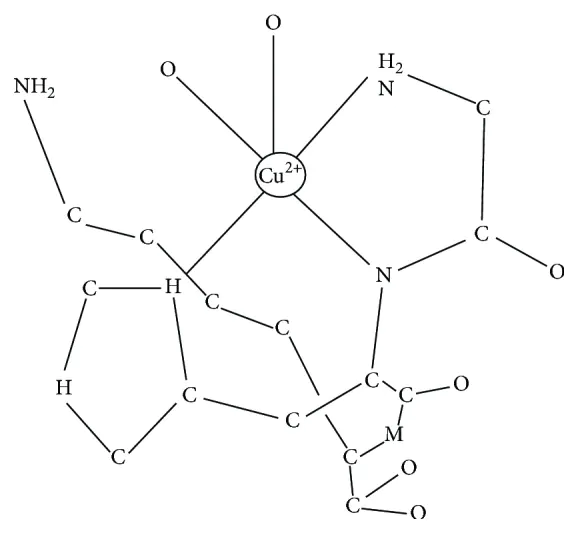
🔹 GHK-Cu (50mg)

A copper-binding tripeptide known for:

  • Collagen & ECM synthesis stimulation

  • Dermal remodeling

  • Anti-oxidative activity

  • Hair follicle regeneration models

  • Skin tightening & rejuvenation research

The higher 50mg concentration in GLOW enhances cosmetic, dermatology, and anti-aging research applications.

Follistatin 315 1mg, provided with Bacteriostatic Water, is available with free shipping on orders over $500 USD, excluding capsule products, cosmetic peptides, promo codes, and shipping. This promotion enhances accessibility to Follistatin-315, a predominant variant of a glycoprotein found in blood plasma, known for its binding properties with activin and myostatin, leading to improved muscle growth (hypertrophy and hyperplasia), reduced inflammatory responses, and enhanced fertility.

Product Usage: Follistatin 315 is strictly sold for research purposes. It is intended for in vitro testing and laboratory experiments only. Information presented is for educational purposes and the introduction of this compound into humans or animals, as well as any misbranding or misuse as a drug, food, or cosmetic, is prohibited by law. Only licensed, qualified professionals should handle this product.

What Is Follistatin 315?
Follistatin 315, an isoform of the follistatin protein family, neutralizes activin’s diverse effects across different tissues, from promoting to inhibiting cell proliferation. Beyond deactivating activin, it also binds myostatin in muscle tissue, significantly enhancing muscle cell growth and proliferation. This protein is also instrumental in developmental processes of embryos and plays a crucial role in regulating fertility.

Follistatin 315 Structure
The structure presented here pertains to the unaltered full-sized follistatin protein, critical for understanding its complex functionality.

Sequence: G NCWLRQAKNG RCQVLYKTEL SKEECCSTGR LSTSWTEEDV NDNTLFKWMI FNGGAPNCIP CKETCENVDC GPGKKCRMNK KNKPRCVCAP DCSNITWKGP VCGLDGKTYR NECALLKARC KEQPELEVQY QGRCKKTCRD VFCPGSSTCV VDQTNNAYCV TCNRICPEPA SSEQYLCGND GVTYSSACHL RKATCLLGRS IGLAYEGKCI KAKSCEDIQC TGGKKCLWDF KVGRGRCSLC DELCPDSKSD EPVCASDNAT YASECAMKEA ACSSGVLLEV KHSGSCNSIS EDTEEEEEDE DQDYSFPISS ILEW
Molecular Weight: 3470 g/mol
PubChem CID: 178101631
Synonyms: Activin-Binding Protein, FSH-Suppressing Protein, FST, FST-315
Follistatin 315 Research
While the entirety of follistatin’s effects remains under investigation, initial research identifies its origin from ovarian follicular fluid, acting primarily as an inhibitor of follicle-stimulating hormone. Various isoforms such as follistatin 315, 300, or 288 arise from a 344-amino-acid precursor, each residing in distinct tissues, revealing the protein’s broad physiological impacts.

The disruption of the follistatin gene in mice is lethal due to crucial roles in lung development and various other physiological and structural functions. Studies utilizing human follistatin 315 indicate its involvement in multiple vital processes, including blood vessel formation, muscle growth, inflammation regulation, and heart function.

Muscle Function and More
Initial studies on follistatin 315 created ‘mighty mice’ with quadruple the muscle mass of typical mice by manipulating myostatin and follistatin levels. This research suggests multiple muscle growth mechanisms, one clearly being myostatin inhibition, with another yet undefined pathway potentially stimulating nerve connections to muscles, enhancing both muscle tone and mass.

Inflammatory Role
Follistatin’s role extends to managing inflammation across various conditions. For instance, in rheumatoid arthritis models, it counteracts worsening conditions by regulating activin A levels. Its potential in treating inflammatory pulmonary diseases and its implications in fibrosis also highlight its therapeutic possibilities.

Vascular and Kidney Functions
Follistatin also aids in vascular health, enhancing endothelial function, particularly post-injury, which could be crucial in stroke and heart attack treatments. Its promising effects in kidney disease models demonstrate potential benefits in managing chronic conditions by mitigating inflammation and promoting healthy blood vessel function.

Disease Marker Potential
Elevated follistatin levels in cardiovascular diseases suggest its utility as an early marker for disease progression, providing a potential tool for early intervention and better management of conditions like heart failure.

Protein Engineering
Advancements in protein engineering, using follistatin as a model, are leading to more effective and predictable modifications to enhance therapeutic efficacy, showcasing the protein’s foundational role in biomedical research.

Follistatin 315, while only for in-vitro research and not for human consumption, presents a fascinating area of study with potential impacts across various fields of medicine and therapy, continually revealing its multifaceted roles in human biology.

BPC-157, a stable gastric pentadecapeptide, has garnered attention in scientific circles for its remarkable healing properties across various tissues, including muscles, tendons, and ligaments, as well as its therapeutic effects on inflammatory bowel disorders like ulcers and Crohn’s disease.

Product Usage: BPC-157 is designated strictly for research purposes, intended for in vitro testing and laboratory experimentation only. It is not for human or animal use, and handling must be conducted by licensed, qualified professionals. This compound is not to be misclassified as a drug, food, or cosmetic.

Introduction
BPC-157, derived from a protein found in the stomach, is known for its profound body-protective benefits, particularly in accelerating recovery and healing. This peptide has shown efficacy in enhancing the healing of wounds and injuries in muscles, tendons, and ligaments, and it offers promising potential in managing and treating gastrointestinal conditions such as leaky gut and Crohn’s disease.

Comprehensive Overview and Research Applications
Tissue Healing and Regeneration
BPC-157 promotes the healing of wounds by facilitating the rapid spread and proliferation of fibroblasts, which are crucial in developing the extracellular matrix during the repair process. Additionally, its ability to improve blood vessel growth enhances the healing rate of injured tissues by ensuring an adequate blood supply, which is essential for delivering nutrients and removing waste products.

Gastrointestinal Health
In the realm of gastrointestinal health, BPC-157 has proven effective in protecting against and healing gastric ulcers and inflammatory disorders such as leaky gut and Crohn’s disease. It acts systemically in the digestive tract to enhance mucosal defense mechanisms and repair damaged tissues.

Anti-inflammatory and Cytoprotective Properties
BPC-157 exhibits significant anti-inflammatory properties, making it an excellent candidate for treating conditions characterized by chronic inflammation. Its cytoprotective properties are particularly notable in the GI tract, where it helps maintain the integrity of mucosal barriers and prevents the harmful actions of pepsin and other digestive acids.

ABOUT US

PeptideGurus is a leading supplier of American-made research peptides, offering top-quality products at competitive prices. With a focus on excellence and customer service, they ensure a secure and convenient ordering process with global shipping.

Request a Quote

  • Peptide Gurus
  • info@peptidegurus.com
  • Glendale, AZ, USA
  • CONTACT

    Request Inquery